Understand any stock in simple English
Enter a ticker to learn what the company does and how it makes money.
voestalpine AG
voestalpine makes and sells steel and steel-based technology products for industry, energy, automotive and construction customers.
voestalpine is one of Europe's big steel and technology groups. It doesn't just pour steel and sell it by the ton. It turns steel into highly engineered parts and tools that other companies depend on — from rails and specially shaped steel for cars to the tooling and components used in manufacturing and energy.
The business splits into a few clear parts. A large steel division makes basic and specialty steel, and a high-performance metals unit makes precision parts for aerospace and other demanding uses. A metal engineering segment supplies railway infrastructure and complex steel components, while a metal forming arm sells tooling and parts to carmakers and industrial customers. The auto side is a huge customer: modern cars are full of specialty steel, and voestalpine supplies parts that go into them. Why do customers pay up? Because switching a safety-critical or precision part to a new supplier is risky and slow. Once a carmaker or rail operator approves a component, it tends to stay. That stickiness, plus tight engineering, is what lets the company compete against cheaper commodity steelmakers. The flip side is that it is exposed to car production cycles, energy prices, and cheap steel imports from outside Europe.
Headquartered in Linz, Austria, the company also spends heavily on making steel cleaner, including efforts to replace coal in steelmaking with hydrogen-based processes — an expensive bet that matters both for its costs and its reputation with customers who want greener supply chains.
Saved answer · last researched 15 Nov 2026
BIG PICTURE
One Austrian steel maker makes about 40% of the world's railway switches
- 40% voestalpine
- 40% Wabtec and Vossloh
- 20% Others
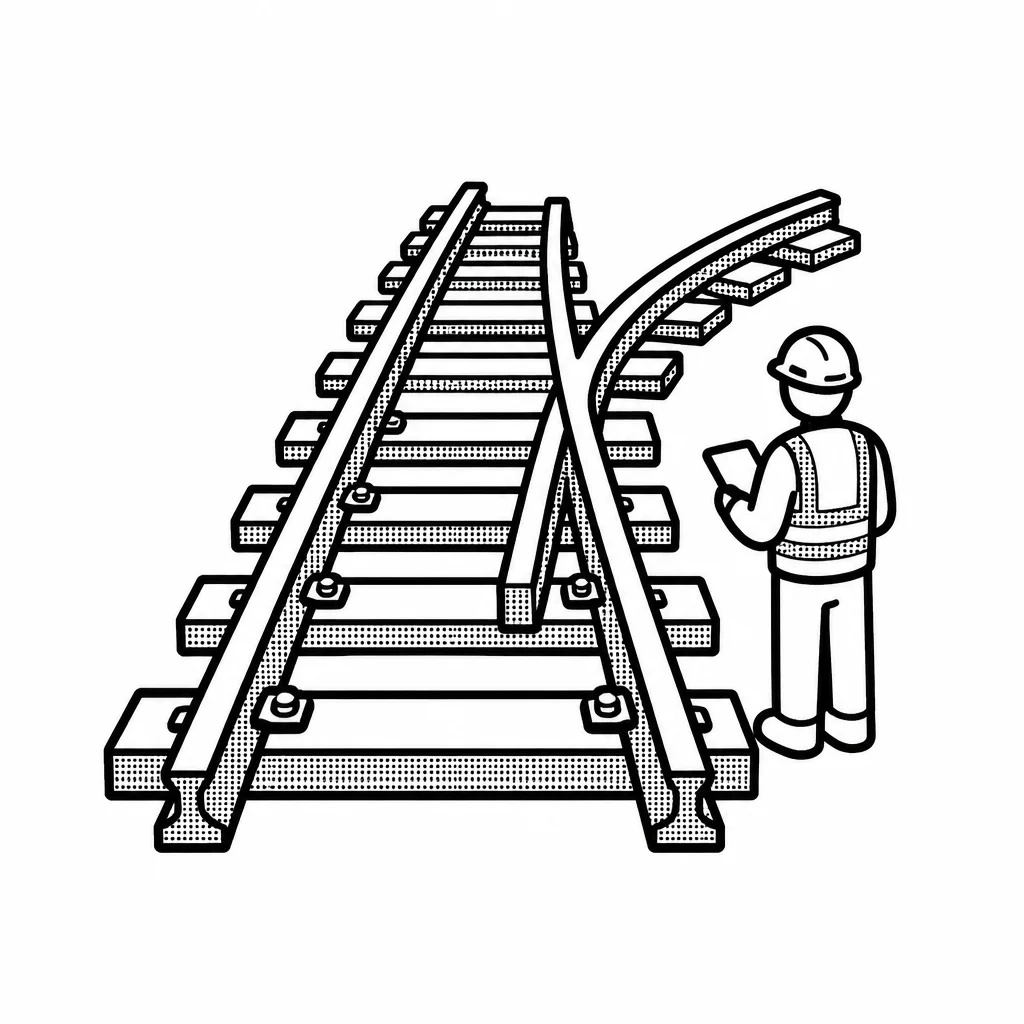
Railway turnouts are the moving points where trains change tracks, and voestalpine holds an estimated 40% of that worldwide market, leaving specialists at Wabtec and Vossloh to share most of the rest. Train operators pick it because its switches carry sensors and software that warn when parts wear out. Those contracts run for years and are hard to win away, giving the steel maker a steady business while car demand swings. Source: KoalaGains, data from 2026
Timeline
Two Men Sell Styrian Steel
In 1870, Albert and Emil Böhler started a small general partnership in Vienna selling steel from the Styrian region. It was a humble trading shop, but it planted a name that would echo through Austrian industry for well over a century.
A Steel Works Rises in Linz
In 1938, ground was broken in Linz for a huge new steel works, and this is where voestalpine's real story begins. The plant was built under a dark regime, but the steel it would pour became the foundation of something much bigger.
Linz Mills Become VÖEST
After the war, the Allies argued over whether to tear the Linz mills apart as reparations. Instead, Austria nationalized them as VÖEST, and Marshall Plan aid helped turn the works into a core producer for the rebuilding country.
The VOEST Debacle
Then came the shock. Speculative losses in the oil market at a trading subsidiary called Intertrading blew up and pushed VOEST-ALPINE into bankruptcy, and the entire management board resigned. The so-called VOEST Debacle became a national crisis and forced a deep restructuring of Austrian industry. A steel company had been brought down not by steel, but by a bet on oil.
Voest-Alpine Stahl Goes Public
In 1995 the steel unit listed on the Vienna Stock Exchange, with the state still holding a big chunk. That listing started the slow move from a state-owned steel maker toward an international technology and capital goods group, and the share price would later multiply several times over.
A Break From Volume Thinking
A strategy process around 2001 broke with the old logic of chasing volume in steel. The company refocused on high-tech, high-margin products and reorganized into Railway Systems, Profilform and Automotive, with Steel just one of four divisions. Acquisitions followed.
Böhler-Uddeholm Comes Home
The biggest move came in 2007, when voestalpine took over tool steel maker Böhler-Uddeholm in what was called the largest acquisition in Austria's industrial history, worth about two billion euros. The name traced back to that 1870 Vienna trading shop. By the next year the company held over 90% and folded it into a Special Steel Division, sealing the transformation into a technology group.
A Pilot Plant for Green Hydrogen
In 2019 the company commissioned the world's largest pilot facility for CO2-neutral green hydrogen in steelmaking. It was a bet on a cleaner future and anchored its greentec steel decarbonization path.
Metaltec Joins the Group
In 2023 voestalpine bought Swiss bright steel specialist Metaltec AG in Pieterlen. The deal strengthened the High Performance Metals Division in high-tech niches like the watch industry and medical technology.
Furnaces on the Horizon
Electric arc furnaces in Linz and Donawitz are on schedule and budget to start in the first half of 2027, with more expansion in Donawitz planned by 2030. The group keeps shedding low-margin segments while adding capacity in the U.S. and Canada under a local-for-local strategy, and it reported a record single order.