Understand any stock in simple English
Enter a ticker to learn what the company does and how it makes money.
POSCO Holdings Inc.
POSCO makes and sells steel products — flat rolled steel, long steel, wire, and plates — for customers around the world.
POSCO is one of the world's largest steelmakers, and steel is the thing it makes money from. Its mills turn iron ore and coal into the flat sheets, beams, rods, and heavy plates that get stamped into cars, shaped into ships, rolled into pipes, and bolted into buildings. When you see a car door, a refrigerator panel, or the skeleton of a skyscraper, there is a decent chance the steel inside it started at a POSCO mill in Korea.
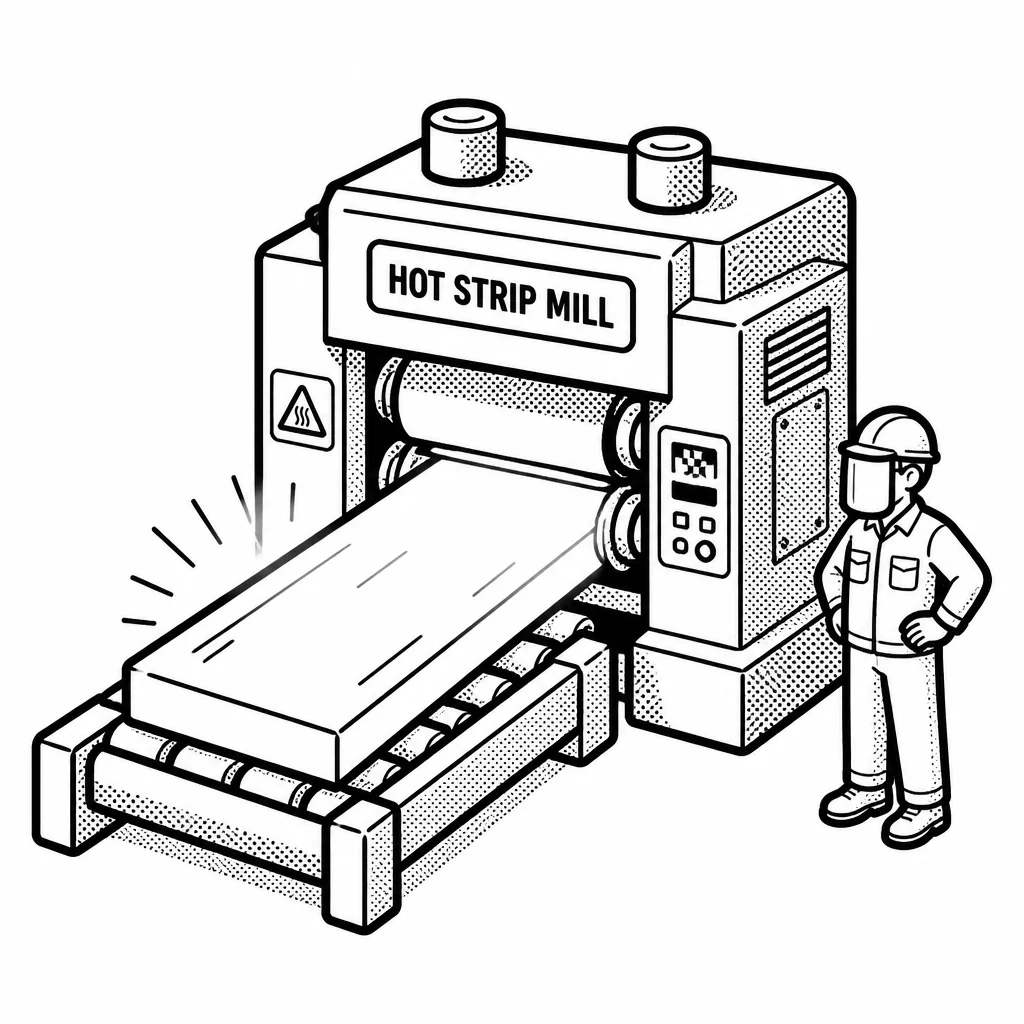
The flat-rolled business is the giant. Steel coils get sold to automakers, appliance makers, and construction suppliers, and POSCO has long been one of the biggest suppliers to Korea's car and shipbuilding industries. It is not just a seller of plain metal, though. It also runs a trading arm that moves steel and other goods around the world, and it holds a chunk of a lithium business as a bet on batteries. Steel is a brutal, cyclical business. Prices swing with construction booms and busts, Chinese mills flood the market and crush margins, and the raw materials — iron ore and coking coal — are bought from giant miners who have plenty of pricing power. That is why POSCO's profit can look great in a strong building cycle and ugly in a weak one. Its edge comes from scale, efficient mills, and long relationships with the big industrial customers who need a reliable supply of the same grade of steel year after year.
The company is also trying to get cleaner and smarter. Old-school blast furnaces burn coal, which creates a lot of carbon, so POSCO has been investing in electric arc furnaces and researching hydrogen-based steelmaking. It has spent heavily on new plants and on lithium for batteries, and it pays a dividend. For investors, the story is simple: a huge, mature steel maker in a cyclical industry, earning money on volume and efficiency while trying to spend its way into a greener future.
Saved answer · last researched 12 Nov 2026