Understand any stock in simple English
Enter a ticker to learn what the company does and how it makes money.
Tata Steel Limited
Tata Steel makes and sells steel, the heavy building material used in cars, buildings, appliances and infrastructure.
Tata Steel is one of the world's big steel makers, and steel is the skeleton of modern life — it goes into car bodies, apartment towers, bridges, washing machines, pipelines and farm equipment. The company digs up iron ore and coal, turns them into steel in huge furnaces, and sells the finished metal to carmakers, construction firms, appliance makers and energy companies. It is part of the sprawling Tata group, one of India's oldest and most respected business houses, and its main plants sit in eastern India near the raw materials it needs.
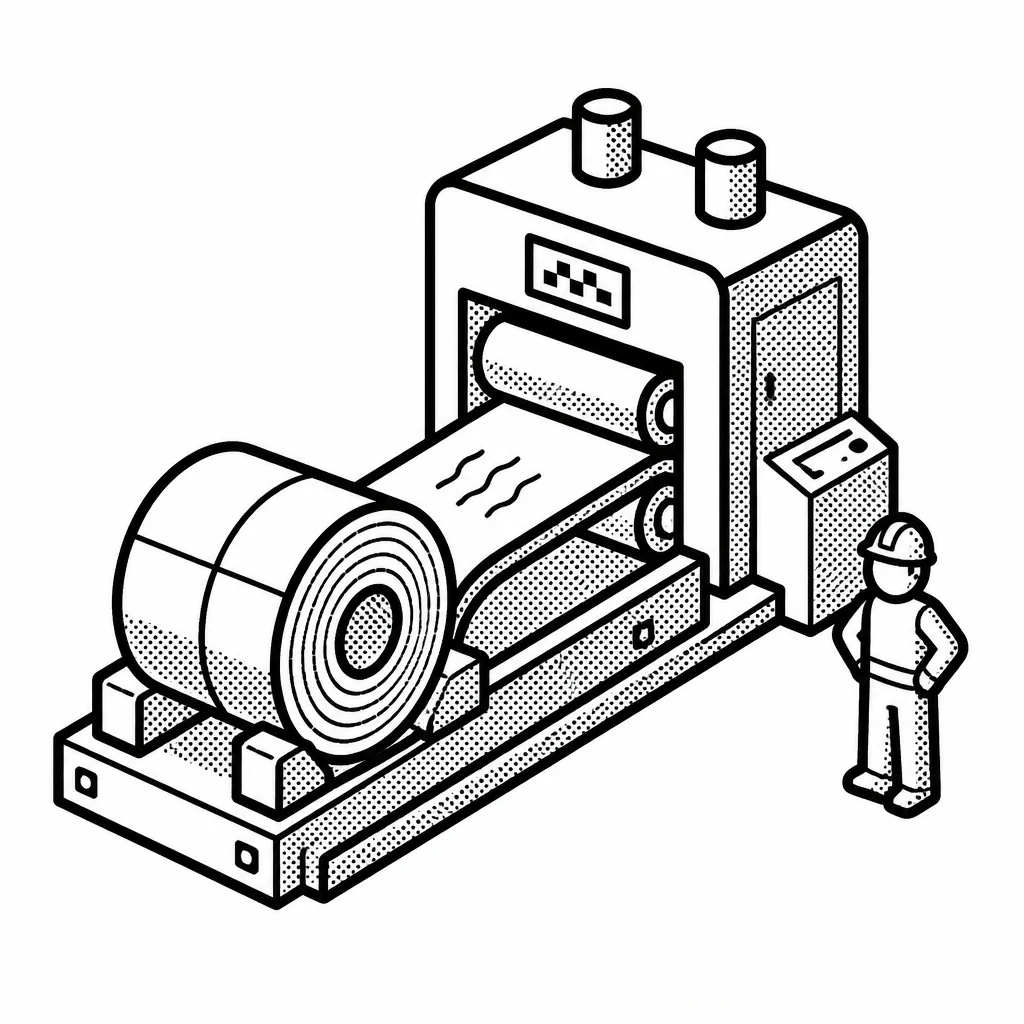
Making steel is a brutal, capital-hungry business. You build enormous plants that cost billions, run them around the clock, and sell a commodity that looks identical to what everyone else sells — so price is set by global supply and demand, not by brand loyalty. That makes steelmakers deeply cyclical: when China builds and the world is booming, steel prices and profits soar; when demand cools, prices crash and the same plants become money-losers. Tata Steel's edge comes partly from owning its own iron ore and coal mines in India, which lowers its costs, and partly from the sheer scale of its Indian operations, which are among the lowest-cost steel producers in the world. Tata Steel is not just an Indian story. It bought Europe's Corus in 2007 for roughly $13 billion, a deal that made it a global player but also loaded it with debt and struggling European mills just as the financial crisis hit. The European business has been the problem child ever since — losing money in weak years and forcing painful restructuring, including plans to shift to greener electric-arc furnaces in the Netherlands and Britain. In India, by contrast, the company keeps expanding, buying distressed rival Bhushan Steel out of bankruptcy in 2018 and steadily growing its capacity toward ambitious targets. The contrast is the whole story: a strong, low-cost Indian engine dragging a heavy, high-cost European one.
The company's biggest challenge is the same one facing every steelmaker: the industry is one of the world's largest carbon emitters, and cleaning it up is expensive. Tata Steel is testing hydrogen-based and electric-furnace routes to greener steel, partly because European customers and regulators will demand it. The cash it generates goes into that transition, into Indian expansion, and into paying down the debt that the Corus deal left behind — a reminder that in a cyclical commodity business, the deals you make in good times can haunt you for decades.
Saved answer · last researched 12 Nov 2026