Understand any stock in simple English
Enter a ticker to learn what the company does and how it makes money.
UPM-Kymmene Oyj
UPM turns trees into materials people use every day, like pulp, paper, plywood, and biofuels, and also makes clean electricity.
UPM is a Finnish forest company that turns wood into things people use every day. Its mills make pulp for paper and packaging, saw timber and plywood for building, and paper for printing and writing. It also produces biofuels and sells clean electricity, much of it generated as a byproduct of running its own mills and power plants.
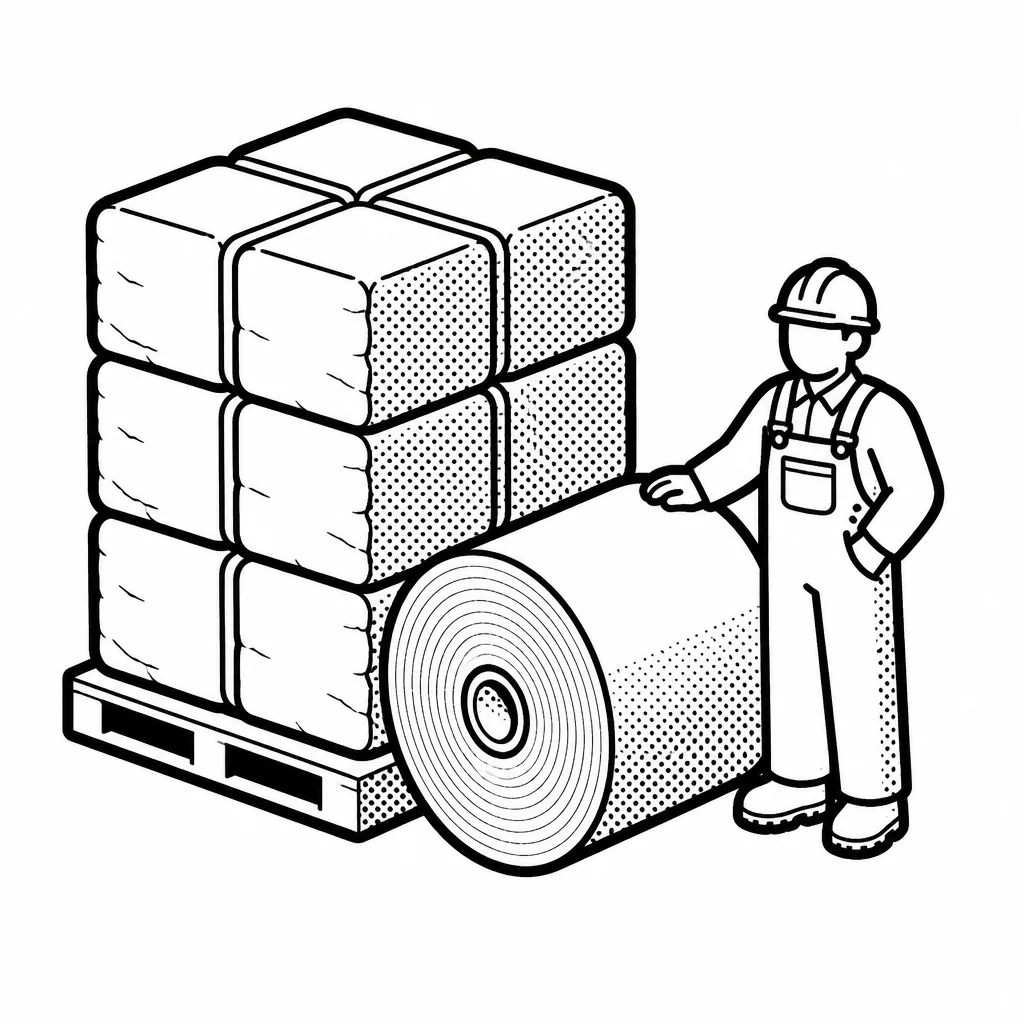
The company is built around a simple idea: a tree is too valuable to use just once. UPM chips wood, cooks it into pulp, and squeezes out chemicals and energy along the way, so the same log can become packaging, fuel, and electricity. Its biggest customers are packaging makers, paper producers, builders, and energy users. UPM owns forests and mills mostly in Finland and also operates in Germany, Uruguay, and China, which gives it scale but ties its fortunes to wood prices, energy costs, and paper demand. That last part is the hard truth. Demand for printing paper has been shrinking for years as people read on screens, so UPM has been shifting money toward pulp, specialty papers, plywood, and biofuels. Its biochemicals and biofuels bets are promising but still small next to the traditional businesses, and big projects like a new pulp mill or a biorefinery can cost billions and take years to pay off. Competition comes from other forest giants like Stora Enso and Sappi, plus pulp producers in Latin America and Asia.
UPM is a steady dividend payer rather than a fast grower. It invests heavily in new mills and products, pays shareholders a regular dividend, and has bought back shares in recent years. The business is cyclical: when wood and energy prices swing, profits swing harder. But the long-term bet is that the world will keep needing renewable materials and energy, and that a well-run forest company sits in a useful spot to supply both.
Saved answer · last researched 15 Nov 2026