Understand any stock in simple English
Enter a ticker to learn what the company does and how it makes money.
Sappi Limited
Sappi turns wood into pulp, paper, packaging and biomaterials for industrial customers around the world.
Sappi is a wood company that most people have touched without knowing it. It takes trees and turns them into pulp, the thick mush that becomes paper, and into the glossy coated paper used in magazines, catalogs, and brochures. It also makes packaging papers and boards, and sells specialized biomaterials and pulp to other manufacturers. Its customers are mostly industrial: printers, converters, packaging companies, and consumer goods makers who buy in bulk rather than shoppers in a store.
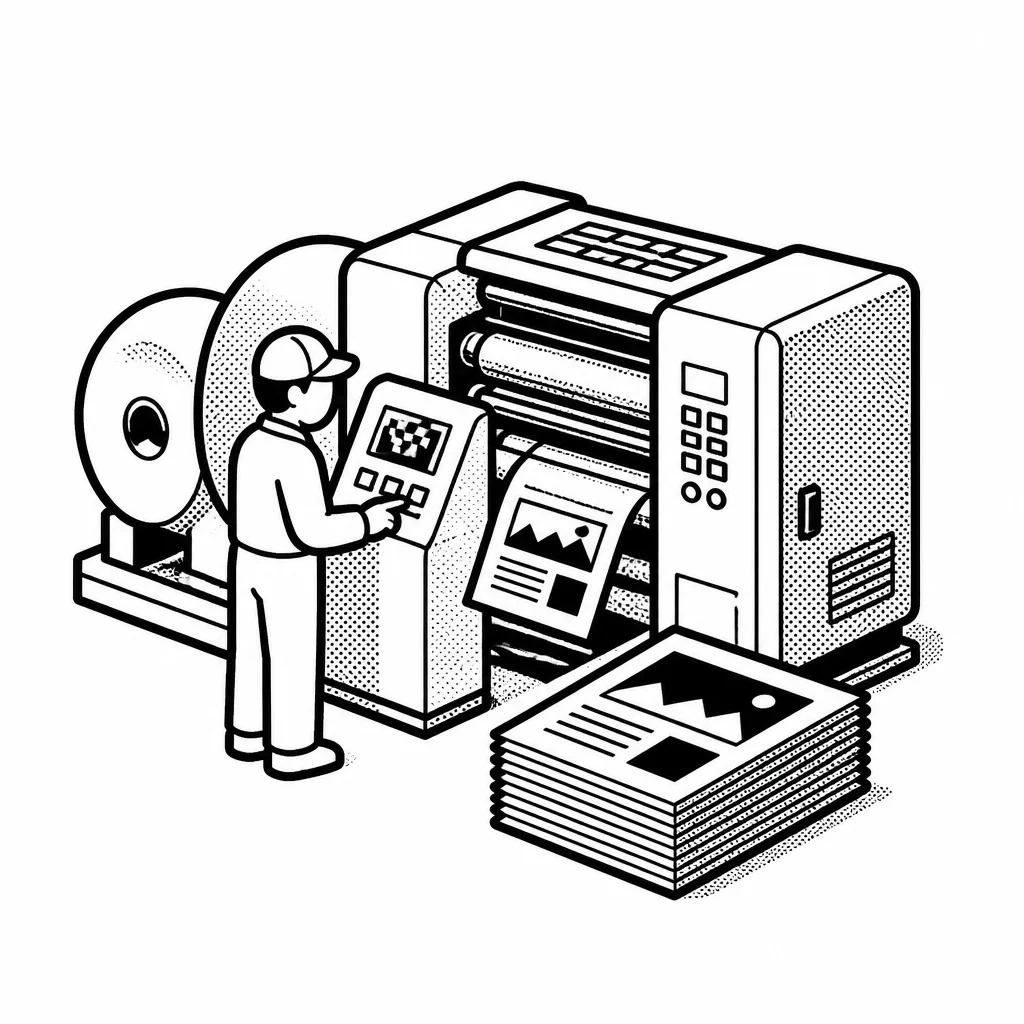
The business is split into two big halves. One makes pulp and paper products and sells them to industrial buyers across Europe and North America, where Sappi is a major player in coated graphic paper. The other makes packaging papers, containerboard, and speciality papers that go into boxes, bags, labels, and food wrappers. The packaging side is the growth story: as people read less print and shop more online, the company has been shifting money and machines toward board and packaging rather than magazine paper. Sappi's weakness is the same as its strength: paper demand is tied to printing, and printing has been shrinking for years. That is why management has been converting paper machines to make packaging board and pushing into biomaterials and pulp for textiles and other uses. The company also owns forests and mills, mostly in South Africa, which gives it control over raw material but also ties it to energy costs, weather, and the price of wood.
Its head office is in Johannesburg, South Africa, and it has mills and sales offices in Europe, North America, and Africa, which makes it a genuinely global business rather than a purely local one. The big risk to watch is how fast the packaging and biomaterials push can replace the profits that used to come from magazine paper.
Saved answer · last researched 12 Nov 2026