Understand any stock in simple English
Enter a ticker to learn what the company does and how it makes money.
PLDT Inc.
PLDT is the Philippines' largest telecom company, selling wireless, fixed-line, broadband, and data services to consumers and businesses.
PLDT is the biggest phone and internet company in the Philippines. It sells the connections that keep the country talking: mobile plans under the Smart brand, home broadband under PLDT Home, and data links for businesses. Most Filipinos reach the internet through one of its networks, whether that's a phone in a jeepney or a fiber line into a condo.
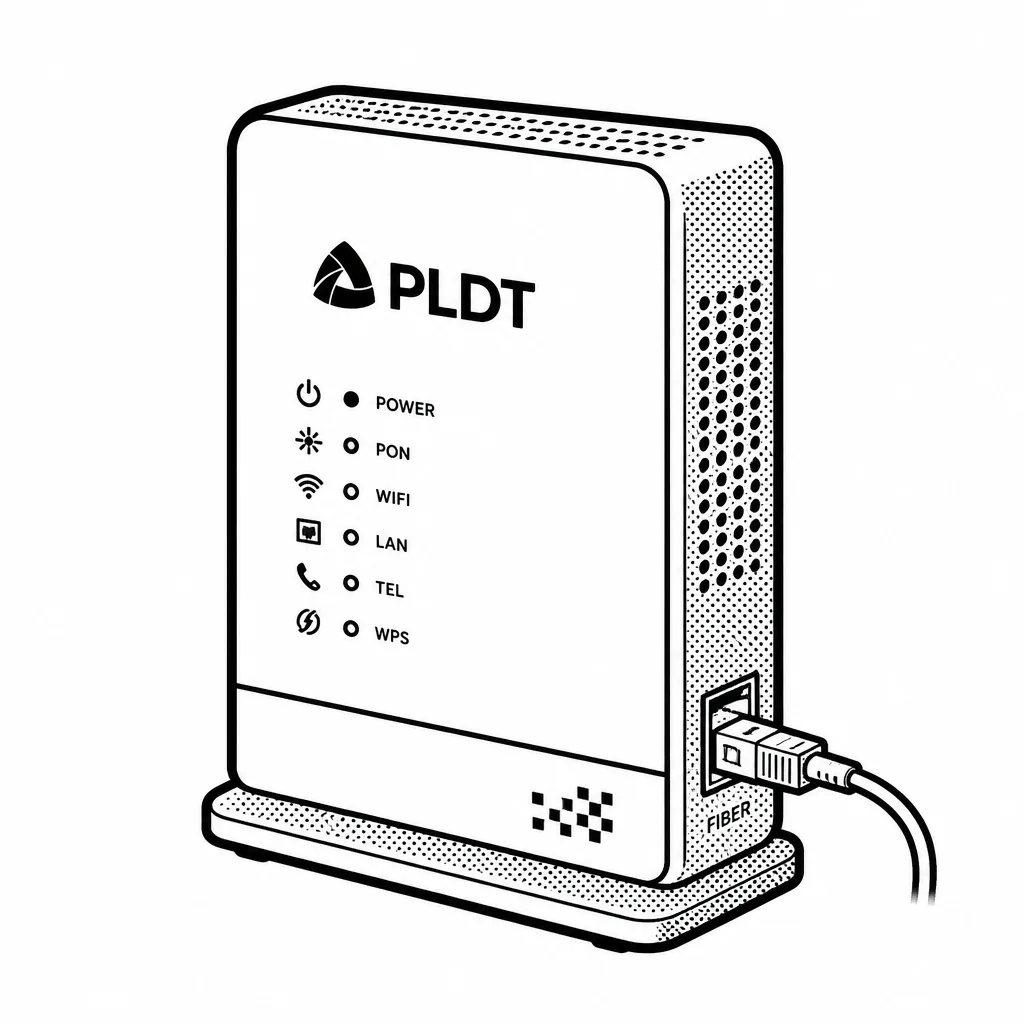
The business has two engines. One is wireless — Smart's mobile network, where customers buy prepaid load or monthly plans and pay for data. The other is fixed line and broadband — fiber and DSL into homes and offices, plus the cables and data centers that carry traffic for big corporate clients and other carriers. PLDT owns much of the physical plumbing of the Philippine internet, which is why rivals have to either build their own or rent from it. That ownership is both the strength and the headache. Building networks costs enormous money, so PLDT carries heavy debt and spends billions of pesos every year on towers, fiber, and spectrum. It also faces real competition: Globe Telecom battles it in mobile and broadband, and newer players like Converge in fixed broadband have taken share by undercutting on price. Mobile competition is especially brutal — Filipinos are heavy data users but price-sensitive, and a government push to speed up internet has kept pressure on the incumbents.
Recent years have been about repair and reset. A costly fiber and 5G buildout, a messy spectrum dispute, and a pandemic-era spending spree left the balance sheet stretched, and PLDT has been selling towers and other assets to pay down debt. The company still mints cash from its subscriber base, and it pays a hefty dividend — but the growth story now rests on squeezing more money out of existing customers and defending its turf rather than on adding millions of new ones.
Saved answer · last researched 15 Nov 2026
BIG PICTURE
PLDT holds about half of the Philippines' business telecom market, ahead of Globe's 38%
- 50% PLDT
- 38% Globe
- 12% Others
In the market for telecom services sold to companies, PLDT takes about half the revenue, according to a reported figure from September. Globe sits near 38 percent. These are the customers who buy internet lines and data links for offices and factories and pay monthly bills. Holding half of that business gives PLDT a steady base even as consumer growth slows to a crawl. Source: Inquirer.net, data from 2026
Timeline
Four Phone Companies Become One
In 1928, four telephone companies owned by the same American investors stopped competing and merged into one: PLDT. That simple move gave it the size and reach to become the country's dominant phone company, and over time the largest and most diversified telecom firm in the Philippines.
Filipino Businessmen Take Control
For decades the company sat in American hands. Then in 1967, its U.S. owner sold effective control to a group of Filipino businessmen, and the phone company became a Filipino company in ownership as well as in name.
Buying the Second-Biggest Phone Company
By 1981, PLDT was already the biggest. It then bought substantially all the assets and liabilities of Republic Telephone Company, the second-largest phone company in the country, a purchase that fit the government's push to knit the Philippine telecom industry into one system.
First Pacific Takes a 17.5 Percent Stake
In 1998, First Pacific, led by Manuel V. Pangilinan, bought a 17.5-percent stake in PLDT for about P29.7 billion. The Cojuangco family gave up control, ending its era of dominance and handing the company a new direction.
NTT Comes In and PLDT Buys Smart
In 2000, Japan's NTT Communications became PLDT's strategic partner with about 15 percent of the economic and voting interest. At the same time, PLDT bought all of Smart Communications, the mobile operator that would become central to its future.
Polly Nazareno Becomes CEO
In 2004, Pangilinan handed the CEO job to Napoleon "Polly" Nazareno, who had run Smart. Nazareno pushed a "Group"-first mindset, bundling products and hunting for synergies across PLDT and Smart to keep up with fast-changing technology and aggressive rivals.
PLDT Buys Control of Digitel
In 2011, PLDT completed its purchase of a controlling interest in Digital Telecommunications Phils., or Digitel, from JG Summit. It paid with roughly 27.7 million of its own common shares, folding another major player into the group.
A New Name for a Data Business
In 2016, the company renamed itself from Philippine Long Distance Telephone Company to PLDT Inc., dropping "long distance telephone" to reflect its focus on data services. The Philippine SEC approved the amended articles that July.
A 48-Billion-Peso Budget Overrun
In 2022, PLDT admitted it had blown past its capital expenditure budget by PHP 48 billion over the past four years on broadband and data projects. The share price fell 23.7 percent on December 19, the Philippine SEC opened an inquiry, and U.S. securities class actions followed.
Auditor Withdraws and NYSE Flags Delays
In 2026, external auditor SGV withdrew its audit opinions on PLDT's 2024 and 2025 financial statements. The NYSE issued a non-compliance notice over delayed annual reports, leaving PLDT with a cure period and possible delisting procedures if the reports are not filed.