Understand any stock in simple English
Shimadzu Corporation
Shimadzu makes precision instruments, measuring equipment, and medical devices used by scientists, doctors, and manufacturers.
Shimadzu is a Japanese maker of precision instruments — the expensive, carefully calibrated machines that scientists, doctors, and factory engineers use to measure and analyze things. If you have ever seen a lab technician load a tiny vial into a humming machine that spits out a chemical analysis, there is a good chance the machine was a Shimadzu. The company's gear sits in university labs, hospital imaging rooms, and industrial quality-control lines around the world.
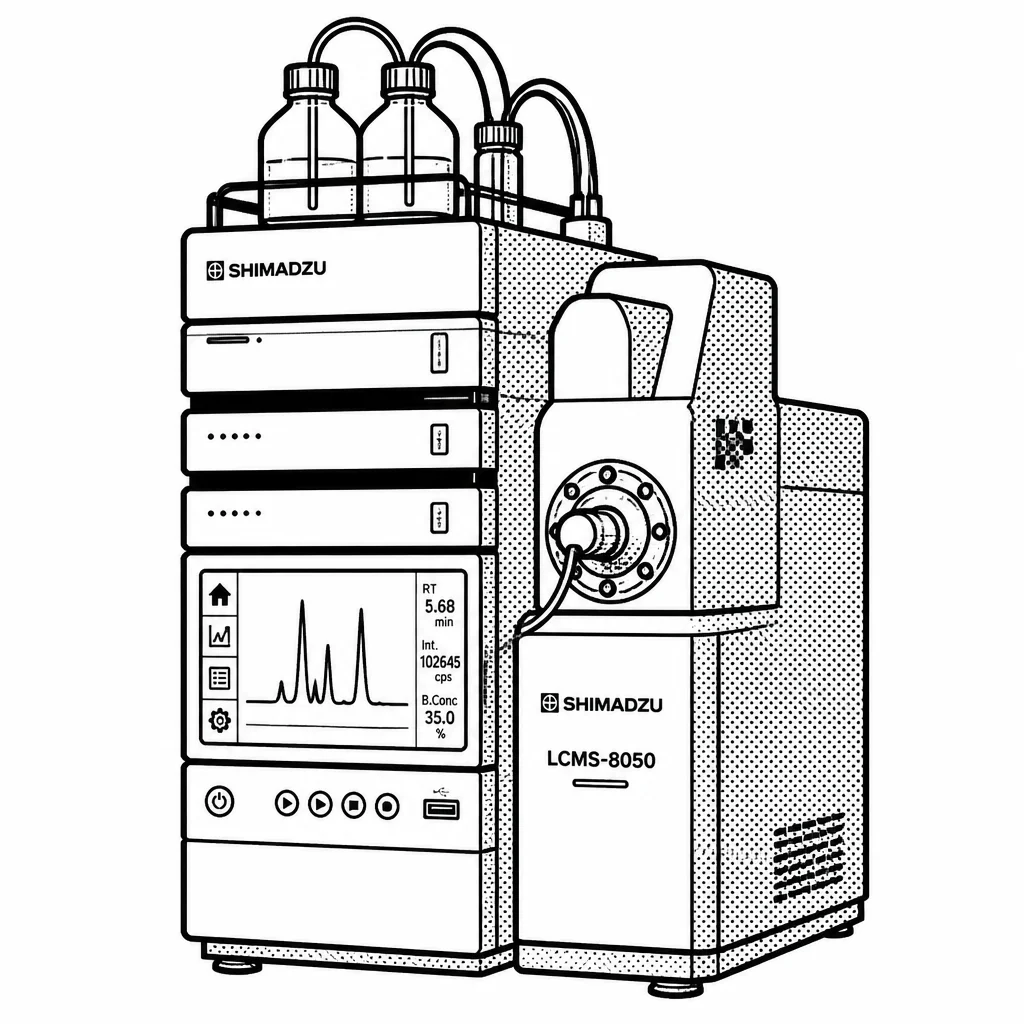
The business splits into a few main pieces. Its biggest engine is analytical and measuring instruments: devices like liquid chromatographs and mass spectrometers that separate and identify the chemicals in a sample — essentially a very fancy chemical detective. It also makes medical systems, including X-ray and fluoroscopy imaging equipment, and aircraft and industrial equipment such as hydraulic components. Then there is a smaller but interesting business in testing and inspection services. Customers choose Shimadzu because the machines are precise, reliable, and backed by a service network that keeps them running for years. This is a hardware business with a software-and-service tail attached. A lab buys a spectrometer, then pays for consumables, maintenance contracts, and software updates over its long life. That recurring revenue is stickier than a one-time instrument sale. The company faces tough rivals in each niche, including scientific-instrument heavyweights like Thermo Fisher Scientific and Agilent Technologies, and medical-imaging giants like Siemens Healthineers and GE HealthCare. Shimadzu's history gives it a distinct flavor: it started in Kyoto in 1875 as a maker of physical and chemical instruments, and it remains headquartered there. It stayed independent and family-influenced rather than merging into a conglomerate, which helps explain its patient, engineering-first culture. One widely known fact is its long-standing slogan about contributing to society through science and technology — not just marketing talk, since its tools underpin drug testing, environmental monitoring, and disease diagnosis.
The company funds itself mostly from steady instrument sales and reinvests in research and development, which matters enormously in a field where a faster, more sensitive detector wins contracts. It pays dividends and has been a quiet, consistent compounder rather than a flashy growth story. The main risks are cyclical research budgets, currency swings from being a big exporter, and competition from larger rivals with deeper pockets. But when a lab needs a machine it can trust for a decade, Shimadzu is one of the names on the short list.
Saved answer · last researched 17 Nov 2026