Understand any stock in simple English
Enter a ticker to learn what the company does and how it makes money.
Marcopolo S.A.
Marcopolo builds bus bodies and sells buses and parts to transport companies and distributors around the world.
Marcopolo is one of the world's biggest makers of bus bodies. When you climb onto a city bus in São Paulo, a coach on a long-distance highway in Mexico, or an airport shuttle in South Africa, there's a decent chance the body sitting on that chassis was welded and assembled by Marcopolo. The company is headquartered in Caxias do Sul, in southern Brazil, and it has spent more than seven decades turning steel, aluminum, and glass into the vehicles that move people who don't want to drive themselves.
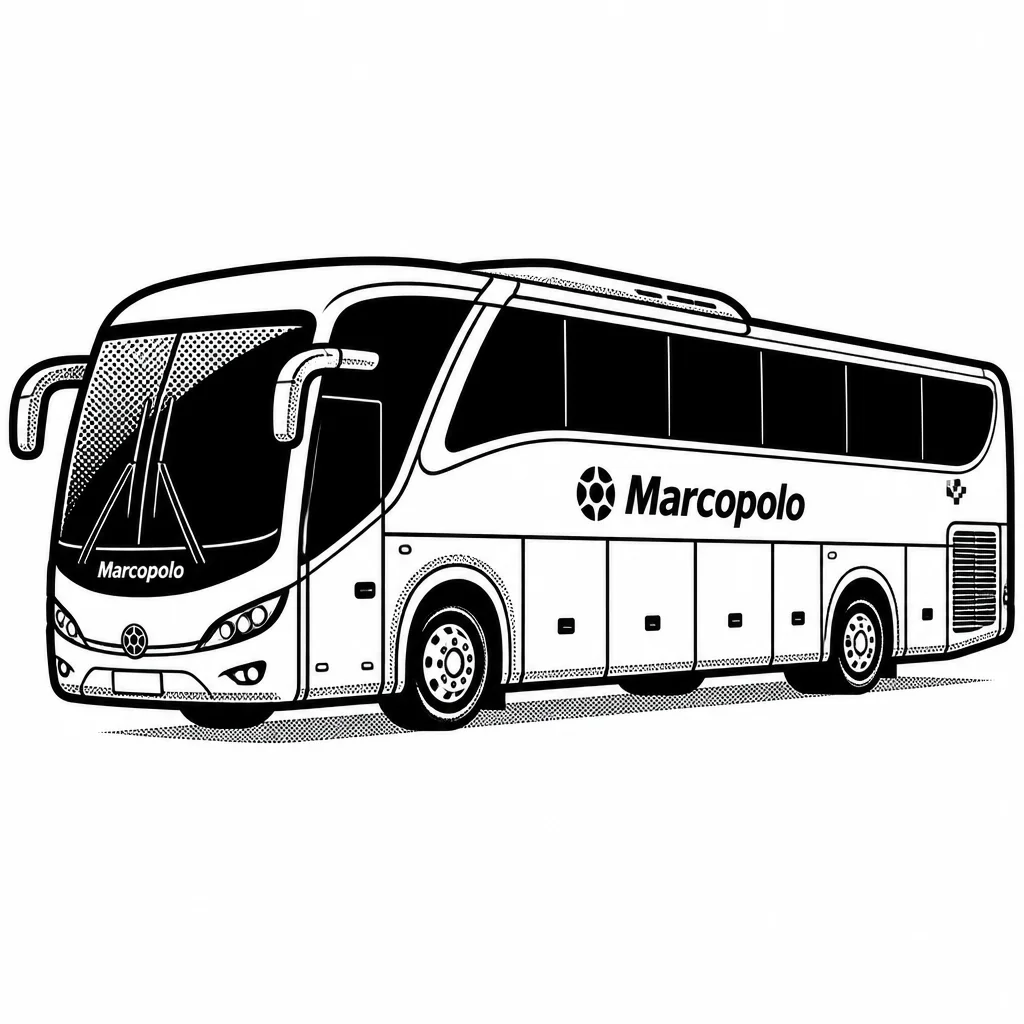
The business works like this: Marcopolo designs and builds the passenger cabin — the shell, seats, windows, air conditioning, and interior fittings — and mounts it on a chassis supplied by partners like Mercedes-Benz, Volvo, or Scania. Bus operators and distributors buy the finished vehicle, and Marcopolo also sells spare parts and provides after-sales service, which keeps customers coming back long after the initial sale. Its main brands include Marcopolo for intercity and touring coaches, Volare for smaller minibuses, and Neobus for urban and charter buses. The company also has manufacturing operations outside Brazil, including in Argentina, Colombia, Mexico, and India, which helps it sell into local markets without shipping finished buses across oceans. Marcopolo's customers are bus companies, public transit operators, and distributors. They choose Marcopolo because it offers a full range of models, from tiny vans to double-decker coaches, and because its scale lets it keep prices competitive while maintaining a broad service network. The bus business is cyclical: when economies grow and people travel more, orders rise; when governments cut transit budgets or credit tightens, orders fall. Currency swings matter too, since Marcopolo exports from Brazil and competes with local builders in each market.
In recent years, Marcopolo has invested in electric and low-emission buses, betting that cities will keep tightening rules on diesel vehicles. It has also faced tough competition from Chinese manufacturers like BYD and from local rivals in Latin America. The company pays dividends and has bought back shares, but the core of its story is simple: it builds the part of the bus that carries the people, and it sells that to the companies that run the routes.
Saved answer · last researched 12 Nov 2026
BIG PICTURE
Marcopolo builds nearly half of all buses made in Brazil
- 48.3% Buses made in Brazil by Marcopolo
- 51.7% Buses made in Brazil by other manufacturers
In the second quarter of 2026, Marcopolo's share of Brazil's bus market reached 48.3 percent. Roughly every second bus body made in its home country comes from the company. Brazil is where it earns most of its money, so this grip on the market matters more than its smaller export business. Much of the recent gain came from micro-buses, which sell on thinner margins than long-distance coaches. Source: Marcopolo Q2 2026 earnings call, via GuruFocus, data from 2026
Timeline
Seven Mechanics Start a Shop
In 1949, Paulo Bellini and six other young mechanics started a small shop called Nicola & Cia. in Caxias do Sul, plating and painting truck cabins. Their first order came from a local commuter bus line, and every body was made by hand, taking three months to finish one. To compete with bigger bodybuilders, they won customers with better service and customization, like special seats and luggage racks.
A Real Factory in Planalto
The little wooden pavilion was no longer enough. In 1957 the company moved to a new factory in the Planalto district of Caxias do Sul, trading its workshop for a real manufacturing facility for bus bodies.
First Export Contract
In 1961 the company signed its first export contract, stepping into foreign markets. That small step started a decades-long international push that would become central to the business.
The Marcopolo Bus Model
Then came a bus called the Marcopolo, launched in 1968, and it was a big hit. The model did so well that the company took its name for itself.
The Company Takes the Name
In 1971 the company made it official, renaming itself Marcopolo S.A. Carrocerias e Ônibus. The name came straight from that successful 1968 bus, tying the brand to the explorer Marco Polo.
Shares on the São Paulo Exchange
In 1978 Marcopolo began issuing stock shares on the São Paulo exchange, becoming a publicly traded company.
A Currency Shock and a Fast Recovery
In 1994 a drastic anti-inflation program in Brazil made exports uncompetitive, and Marcopolo lost about BRL 2.8 million. It bounced back the very next year with a profit of BRL 13 million, and in 1995 it started selling ADRs abroad, a listing it later dropped.
Argentina Collapses, Colombia and South Africa Open
In 2001 Argentina's economic crisis and peso devaluation stopped production at Marcopolo's Argentine units, and sales there fell from a thousand buses a year to zero. In the same year, the company expanded elsewhere, forming the Superpolo joint venture in Colombia and buying Volvo's South Africa assets. The lesson stuck: spread across many countries so no single market can sink you.
Gomes Neto Steps Down
In 2019 CEO Francisco Gomes Neto resigned, after leading the company through Brazil's severe economic crisis. Chairman James Eduardo Bellini stepped in as CEO for the time being.
Armaganijan Takes the Top Job
In 2023 André Armaganijan became CEO, following James Bellini's tenure at the top.
Looking to Europe as Brazil Slows
With Brazilian revenue down 10 percent in 2025 as high interest rates made bus fleets wait to renew, CEO André Armaganijan is looking outward. International operations already reached 45.4 percent of net revenue in 2025, up from 36.3 percent a year earlier, and the company announced a partnership with Volvo to sell buses in France and Italy, with plans for a European assembly line.