Understand any stock in simple English
Enter a ticker to learn what the company does and how it makes money.
JAKKS Pacific, Inc.
JAKKS Pacific designs and sells toys and consumer products, from action figures and costumes to kids' furniture, under its own brands and licensed names like Disney and Nintendo.
JAKKS Pacific is a toy company. It makes and sells the kinds of things kids nag their parents for: action figures, dolls, toy cars, dress-up costumes, and even ride-on vehicles and kids' furniture. You will find its stuff in Walmart, Target, and Amazon, and it also sells costumes and Halloween gear through its Disguise division.
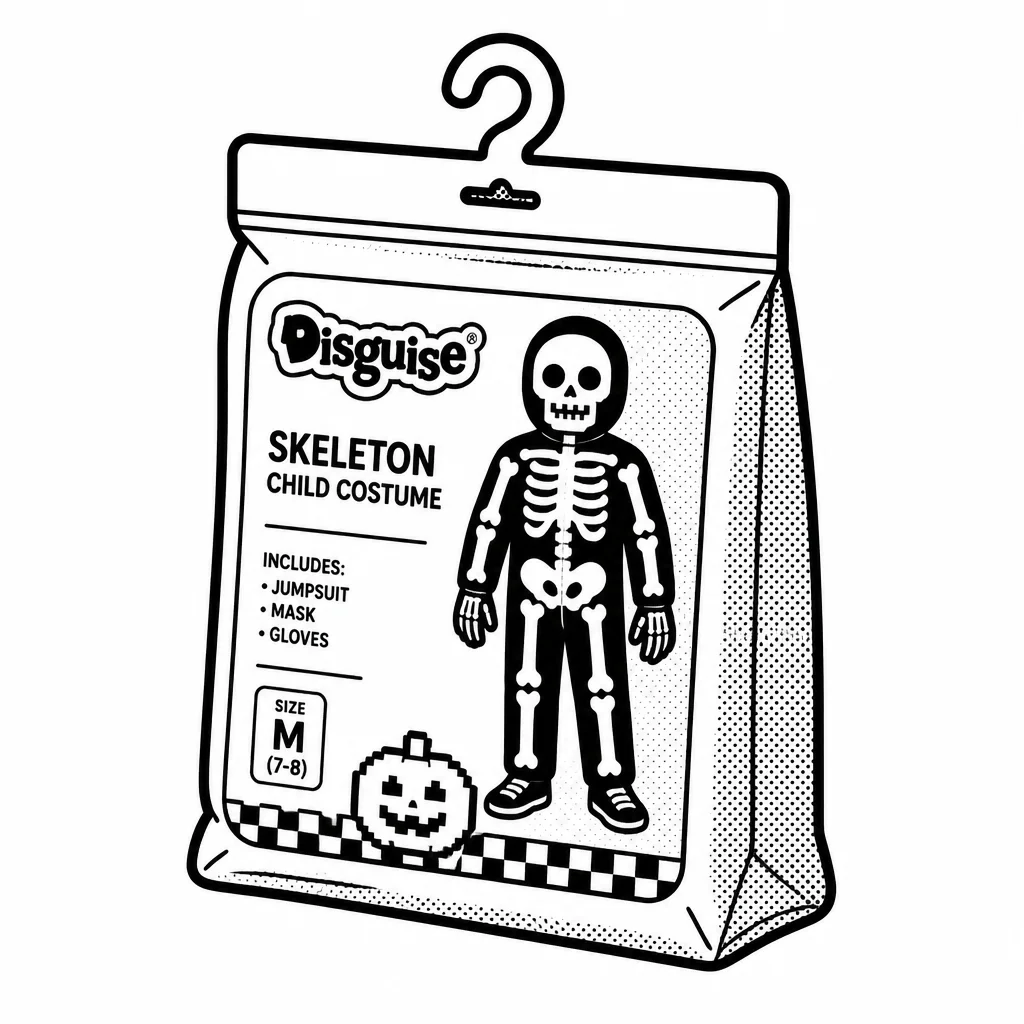
The toy business runs on licenses. JAKKS does not own Mickey Mouse or Mario, so it pays the owners of big characters for the right to make toys based on them. That is a double-edged sword. A hot movie or video game can send sales soaring, but the license fees eat into profit, and if the next movie flops, the toys sit on shelves. JAKKS has learned this the hard way — its history is full of swings, including a rough stretch around 2018 and 2019 when a major customer's troubles and disappointing sales hit it hard. So the company has been working to build its own brands, which carry no license fee and belong to JAKKS forever. Its own labels include products like Perfectly Cute dolls and Kids Only furniture, plus the Disguise costume brand. Owning the brand means keeping more of each dollar, though it also means JAKKS carries the risk if a toy simply does not catch on.
JAKKS is a small player next to giants like Mattel and Hasbro, so it survives by being nimble and cheap. It keeps costs low, jumps on trends quickly, and sells at lower price points than the big names. That makes it a bit of a scrappy underdog in a business where the biggest hit toys can make a year and the wrong bet can sink it.
Saved answer · last researched 10 Nov 2026
BIG PICTURE
JAKKS Pacific leans on one shipping model for more than 75% of its sales
- 75% Sales shipped under its freight-on-board model
- 25% Sales outside the FOB model
For the first nine months of 2026, more than 75% of JAKKS Pacific's sales ran through its freight-on-board model. In plain terms, the buyer takes on the shipping and tariff burden once goods leave the factory. That setup matters for a toy maker that rents characters from Disney and Nintendo and sells through big-box retailers on thin 32% gross margins. Source: TradingView, data from 2026
Timeline
Two Toy Men Start JAKKS
Jack Friedman and Stephen Berman had already built a video game company together, but by the end of 1994 they were tired of it. Games were getting more expensive to make and riskier to bet on, and both men wanted to go back to plain toys. So in early 1995 they started JAKKS Pacific. Their plan was simple: make cheaper versions of toys the big companies sold, and begin with pro wrestling.
The WWF License
Friedman locked up an exclusive deal to make WWF action figures, and the timing could not have been better, because wrestling was blowing up in the 1990s. That one license became the young company's main source of money. Berman later compared it to what G.I. Joe was to Hasbro: the hit that gave JAKKS the cash and confidence to go buy other brands.
JAKKS Goes Public
About a year after starting, JAKKS sold shares to the public. The wrestling money had made it a real company fast, and now it had Wall Street cash to play with.
A Buying Spree Begins
JAKKS started buying up smaller toy brands, including die-cast cars and the Remco and Child Guidance names, aiming them at giants like Hot Wheels, Tonka and Fisher-Price. The clever part was how it paid: mostly with stock and cash, not borrowed money. Then it stripped each purchase down to the bone, cutting office costs, distribution and any products that lost money. That let JAKKS grow without drowning in debt.
Plug It in & Play TV Games
JAKKS started making its own gadgets: cheap handheld controllers that plug straight into a TV and play simple games. The first one sold hundreds of thousands of units in its first year, the line passed a million by 2004, and the Pac-Man version alone sold over 15 million by 2007. This was JAKKS proving it could invent hits, not just license them.
WWE Sues JAKKS
WWE sued JAKKS and THQ, claiming bribes were paid to hide better pitches from rival publishers. The case was thrown out at every level and finally settled without anyone admitting wrongdoing, but the damage was done: the shared license deal ended, and THQ signed a new long WWE video game deal without JAKKS.
Berman Takes Over as CEO
Berman, the co-founder who had been president and chief operating officer, became CEO in April 2010, replacing Friedman. Friedman stayed on as chairman and chief strategist, focused on buying companies. He died about a month later.
Oaktree's Offer Rejected
Oaktree Capital offered to buy JAKKS at $20 a share, but management put up a poison pill defense and turned the offer down. The timing was ugly: growth had come from buying companies, sales fell in the recession, and the company had already wiped nearly $400 million of goodwill off its books in 2008. Investors were starting to wonder if the buying spree had gone too far.
Margins Crack Under Disney
Revenue hit $707 million in 2016, but fights over renewing the Disney contract squeezed margins hard. Net income flipped to a loss of $83 million that year, more losses followed in 2018 and 2019, and the stock crashed to $3 in 2020 while COVID kept everyone home. The company that had grown by winning licenses was now getting hurt by them.
Mario and Sonic Deals
JAKKS went back to what it does best, signing deals with Nintendo and Illumination to make toys for The Super Mario Bros. Movie, and with Sega to make toys for Sonic the Hedgehog 3. Big film and game licenses had always been the company's engine, and now it was firing again.
A Profitable Comeback
By late 2026, sales were climbing again: net sales rose 20% to $254 million in the third quarter, led by strong North American growth and Disney and Nintendo products, and the board approved a quarterly dividend. Management called it a profitable, cash-generating, dividend-paying year, with most sales under a model where retailers take the goods before they ship and no big new film needed to drive growth. JAKKS also pushed into anime and VTuber collectibles, partnering with Alliance Entertainment to distribute those lines across North America.