Understand any stock in simple English
Enter a ticker to learn what the company does and how it makes money.
Holmen AB (publ)
Holmen owns forests and turns trees into paperboard, paper, and wood products, while also generating renewable energy.
Holmen is a Swedish forest company that makes money from trees in several different ways. It owns large areas of forest, harvests timber, and turns that wood into things people buy and use every day: paperboard for packaging, paper for printing, and wood products like planks and beams for building houses. The same forests also feed a renewable energy business, where Holmen sells power and heat.
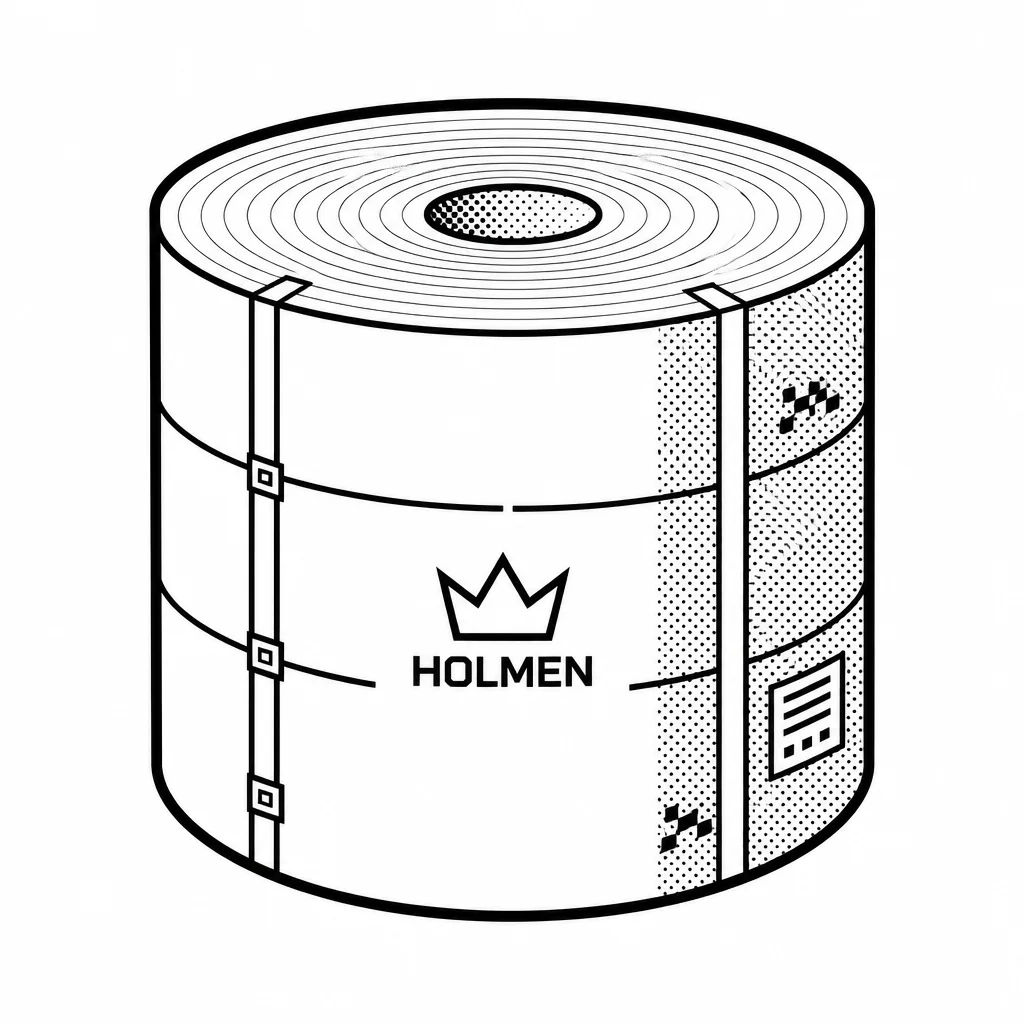
The business splits into distinct parts. The paperboard side sells material used in packaging, such as cartons for food and consumer goods. The paper side makes printing paper, though demand for that has been shrinking for years as people read less on paper. The wood products side sells timber for construction, where builders pay for a natural, renewable material. And the energy side matters more than its small share of sales might suggest: Holmen generates electricity and heat from its own forests and mills, sells some of it, and uses the rest to keep its factories running. Owning the forest is the key advantage—most competitors have to buy their wood, while Holmen grows much of its own. That self-sufficiency is the company's real edge. Trees grow slowly, so a forest owner thinks in decades, not quarters. Holmen can harvest, replant, and wait, which smooths out cost swings when wood prices jump. The flip side is that this is a mature, cyclical business tied to construction, packaging demand, and paper prices. Competition comes from other big Nordic forest owners such as Stora Enso and UPM, plus global packaging and paper players.
Holmen is a steady cash generator rather than a fast grower, and it returns a lot of that cash to shareholders through dividends and share buybacks. Like many Swedish forest companies, it also holds large land and forest assets whose value sits quietly on the balance sheet, which is part of why investors treat the stock as a solid, dividend-friendly holding. It is not a glamorous business, but it is a durable one built on owning the raw material itself.
Saved answer · last researched 12 Nov 2026