Understand any stock in simple English
Enter a ticker to learn what the company does and how it makes money.
Cochlear Limited
Cochlear makes implantable hearing devices that help people with serious hearing loss hear again.
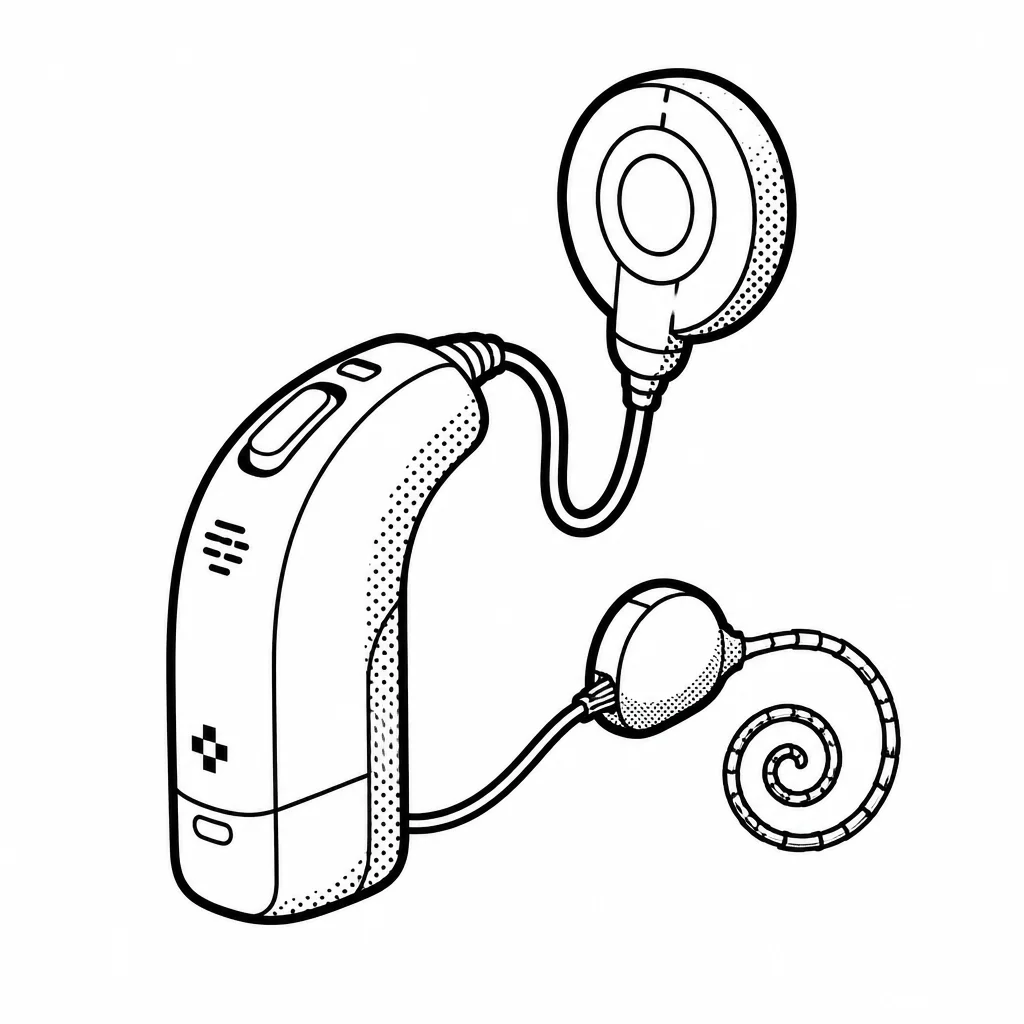
Cochlear makes the devices that let people who cannot hear well enough with ordinary hearing aids regain a sense of sound. Its core product is the cochlear implant: a small device surgically placed under the skin behind the ear, with an electrode array threaded into the inner ear that sends electrical signals straight to the hearing nerve. An external sound processor sits on the head, picks up sound, and sends power and signals through the skin. The company also sells bone conduction systems, which help people whose hearing problem is in the outer or middle ear rather than the nerve itself.
The people who pay are hospitals, clinics, and national health systems, not the patients directly in most cases. A patient gets evaluated, a surgeon implants the device, and the clinic fits and tunes the external processor afterward. Cochlear then earns money twice: once when the implant is sold, and again for years afterward as patients upgrade processors, replace worn parts, and buy accessories. That steady stream of recurring revenue from a captive customer base is the quiet engine of the business, and it is why Cochlear keeps spending heavily on research to stay ahead. This is a market with very few players. Cochlear's main rival is the American company Advanced Bionics-adjacent Sonova, and more directly Sonova of Switzerland, which owns Advanced Bionics and competes in implants and hearing aids. Demant is another hearing-health heavyweight. The competitive moat is real but not unassailable: surgeons are trained on specific systems, patients get locked into a brand's ecosystem, and regulators demand years of clinical evidence before approving a new device. That makes switching costly for everyone involved. The business is highly profitable and generates lots of spare cash, which it returns to shareholders through dividends and, at times, share buybacks. It has also been an active acquirer, buying companies to add things like acoustic implants and services around its core. The main risks are structural: slower procedure volumes when health systems are stretched, pricing pressure from governments that often foot the bill, and the constant need to defend against cheaper competitors in emerging markets. Still, with an aging population and a large pool of people who could benefit but are not yet treated, the long runway matters more than any single year.
One honest note: Cochlear is not a cure for hearing. It restores useful sound, especially speech, but music and nuanced hearing remain imperfect, and outcomes vary by patient. The company's pitch is improvement in quality of life, not perfection — and that is exactly what its customers are buying.
Saved answer · last researched 12 Nov 2026