Understand any stock in simple English
Enter a ticker to learn what the company does and how it makes money.
Sonova Holding AG
Sonova makes hearing aids, cochlear implants, and audio technology that help people with hearing loss hear the world around them.
Sonova makes the small devices that help people hear again. Its main business is hearing aids — the tiny gadgets that sit in or behind your ear and make sounds louder and clearer. It sells these under brands like Phonak, Unitron, and Hansaton, mostly through hearing care clinics and audiologists rather than directly to you. It also makes cochlear implants, which are surgically implanted devices for people whose hearing loss is too severe for a normal hearing aid.
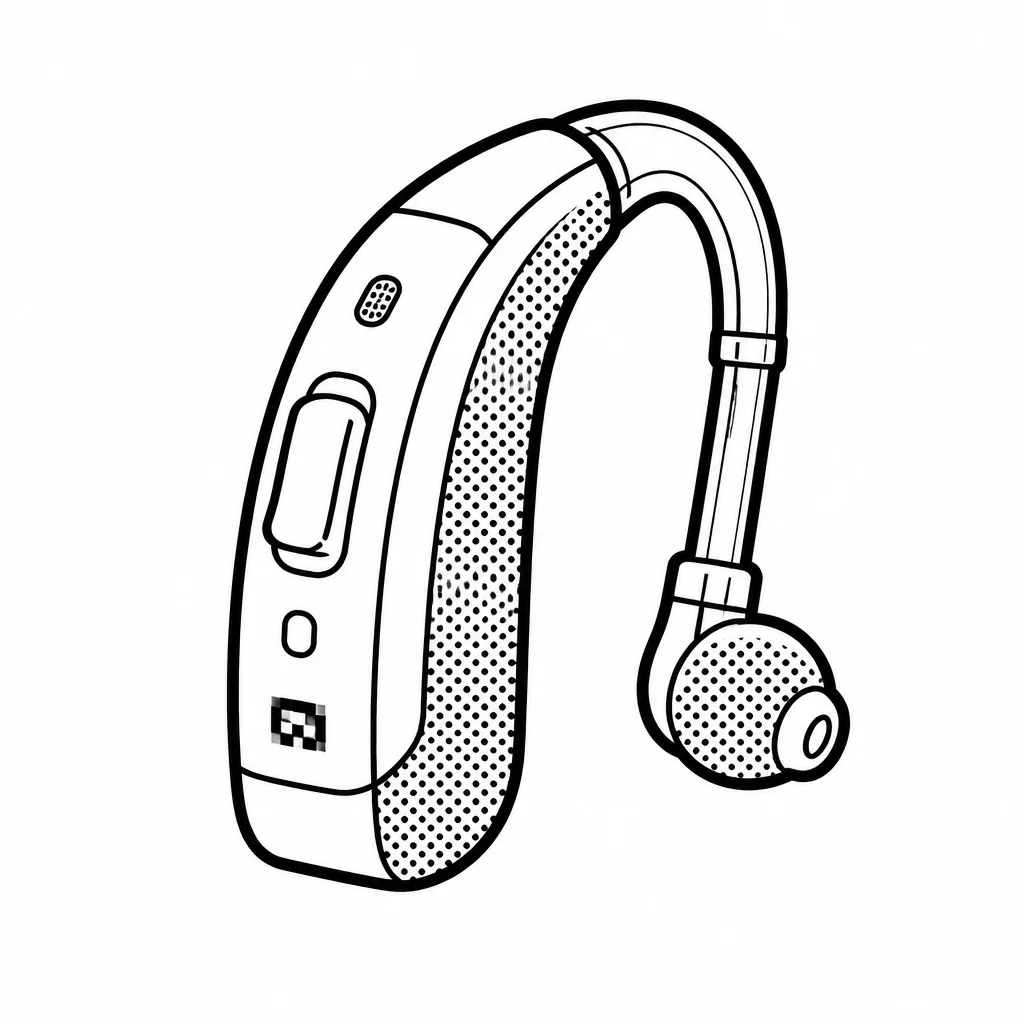
The way it makes money is straightforward: it sells the hardware, and then it often sells the ongoing service and accessories that go with it. A hearing aid is not a one-time purchase like a pair of headphones. It needs fitting, tuning, batteries or chargers, and occasional repairs. Sonova also owns retail hearing care chains, including AudioNova and parts of Boots Hearingcare, so in some markets it not only makes the device but also runs the clinic where you get it fitted. That vertical reach is a big part of why it is one of the world's largest hearing companies, alongside Demant and WS Audiology (the latter is privately held). What makes Sonova interesting is that hearing is a strange mix of medical device and consumer product. The underlying technology — tiny chips, microphones, and software that separates speech from background noise — is genuinely hard to build. But the customer is often an older person who is anxious about looking old, and the purchase usually happens through a professional who recommends the brand. That gives the big players pricing power, but it also makes them vulnerable to new competitors. Over the past few years, over-the-counter hearing aids in the United States have opened the door for cheaper, self-fitted products sold in pharmacies and electronics stores, which could nibble at the bottom of the market. Sonova has responded partly by leaning into its own retail and by pushing advanced features like rechargeable batteries and Bluetooth streaming.
Sonova is headquartered in Stäfa, Switzerland, and its shares trade on the SIX Swiss Exchange. It spends heavily on research and development because the product is a miniaturized computer for your ear, and it uses its cash to pay dividends and make acquisitions — it bought the German retail chain AudioNova and the consumer audio brand Sennheiser's headphone business, which broadened it beyond pure medical hearing into everyday audio. The Sennheiser deal was a bet that the same tiny speaker and chip skills could win in earbuds and headphones too. That bet has been mixed: it added scale and a consumer brand, but consumer audio is a crowded, lower-margin fight against Apple and Samsung. The core hearing aid business, though, remains a quiet, steady, and highly profitable machine.
Saved answer · last researched 14 Nov 2026