Understand any stock in simple English
Enter a ticker to learn what the company does and how it makes money.
Demant A/S
Demant makes hearing aids, runs hearing care clinics, and builds diagnostic equipment that helps people hear better.
Demant helps people hear. It makes hearing aids, runs hearing care clinics where people get tested and fitted, and builds the diagnostic equipment audiologists use to measure hearing loss. Most of its money comes from selling hearing aids — small devices that sit in or behind the ear, amplify sound, and connect to phones and TVs — through its own clinic chains and through independent hearing care professionals around the world.
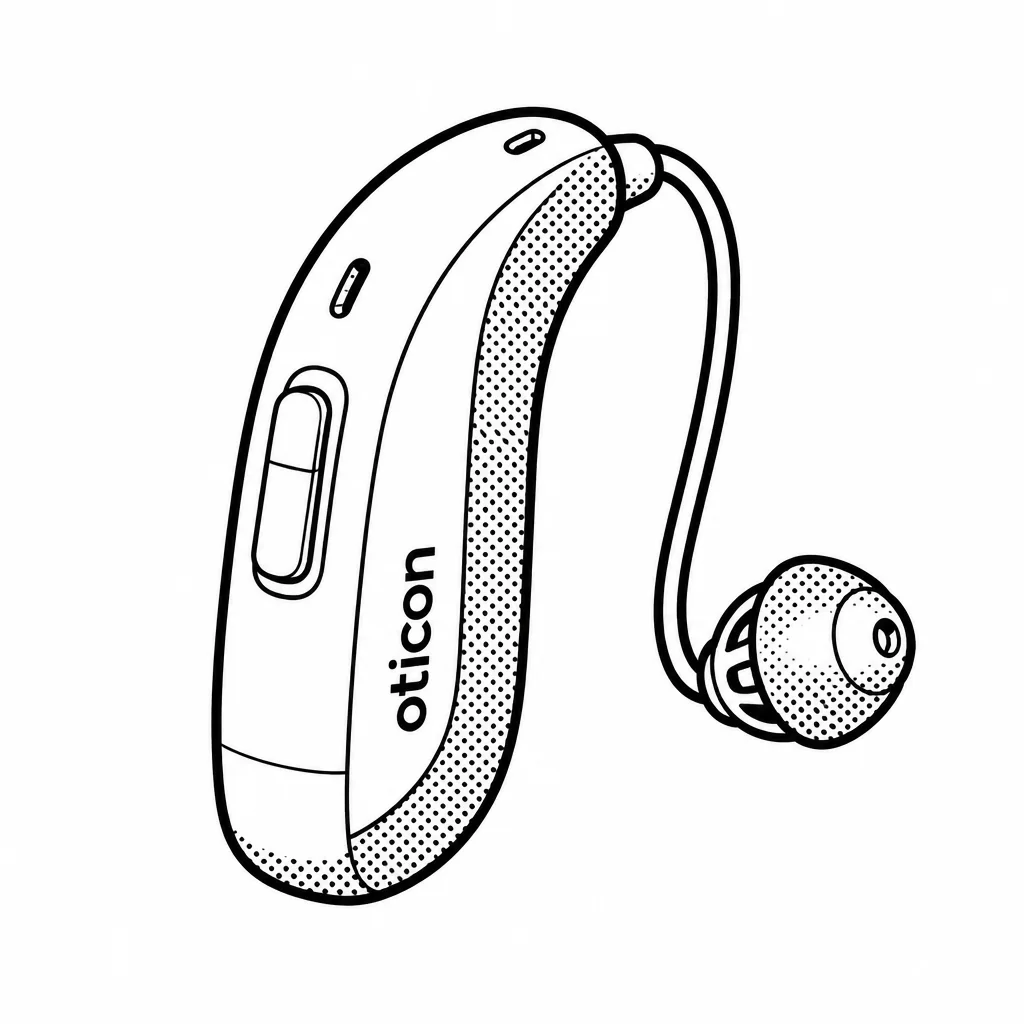
The hearing aid market is an oligopoly. Demant is one of a handful of big players, alongside Sonova and GN Store Nord, and these companies compete on technology: how well the aid separates speech from background noise, how small it is, how long the battery lasts, and how smoothly it streams audio from a phone. Demant's premium brands include Oticon, and it also owns Bernafon and Sonic. Because hearing aids are medical devices sold to people who often wait years before seeking help, the real bottleneck is not manufacturing — it's getting people into a clinic and convincing them the device is worth the price. That's why Demant owns retail. Its clinic networks, including brands like HearingLife in the US, let it capture the margin at both the manufacturing and the fitting end. It also sells diagnostic gear — audiometers and equipment used in hearing clinics and hospitals — through its Diagnostics segment, which is smaller but gives it a foothold in the professional market. The company is headquartered north of Copenhagen, and it spun out its former communications headset business, which became GN Store Nord, years ago.
The stock has had a rough stretch. In 2024, Demant warned that growth would slow, and the shares fell sharply after a disappointing update — a reminder that this is a business sensitive to how many people actually walk into clinics and buy. It has also faced pressure from over-the-counter hearing aids in the US, which opened a cheaper, retail-friendly route to hearing help and could squeeze traditional clinic pricing over time. Demant's bet is that its technology and its clinic footprint keep it ahead. It pays a modest dividend and has bought back shares, but the core question for investors is simple: can it keep convincing more people to treat their hearing loss — and can it do so profitably as cheaper alternatives arrive?
Saved answer · last researched 12 Nov 2026