Understand any stock in simple English
Enter a ticker to learn what the company does and how it makes money.
CG Power and Industrial Solutions Limited
CG Power makes the electrical equipment — motors, transformers, switchgear, and railway systems — that power factories, grids, and trains.
CG Power builds the heavy electrical hardware that keeps electricity moving and machines turning. Utilities buy its transformers and switchgear to move power across the grid. Factories buy its electric motors to run pumps, compressors, conveyors, and pretty much anything with a spinning shaft. And railways buy its traction systems and signaling gear to keep trains running. The company is headquartered in Mumbai, India, and its products sit inside power plants, industrial plants, and rail networks across the country.
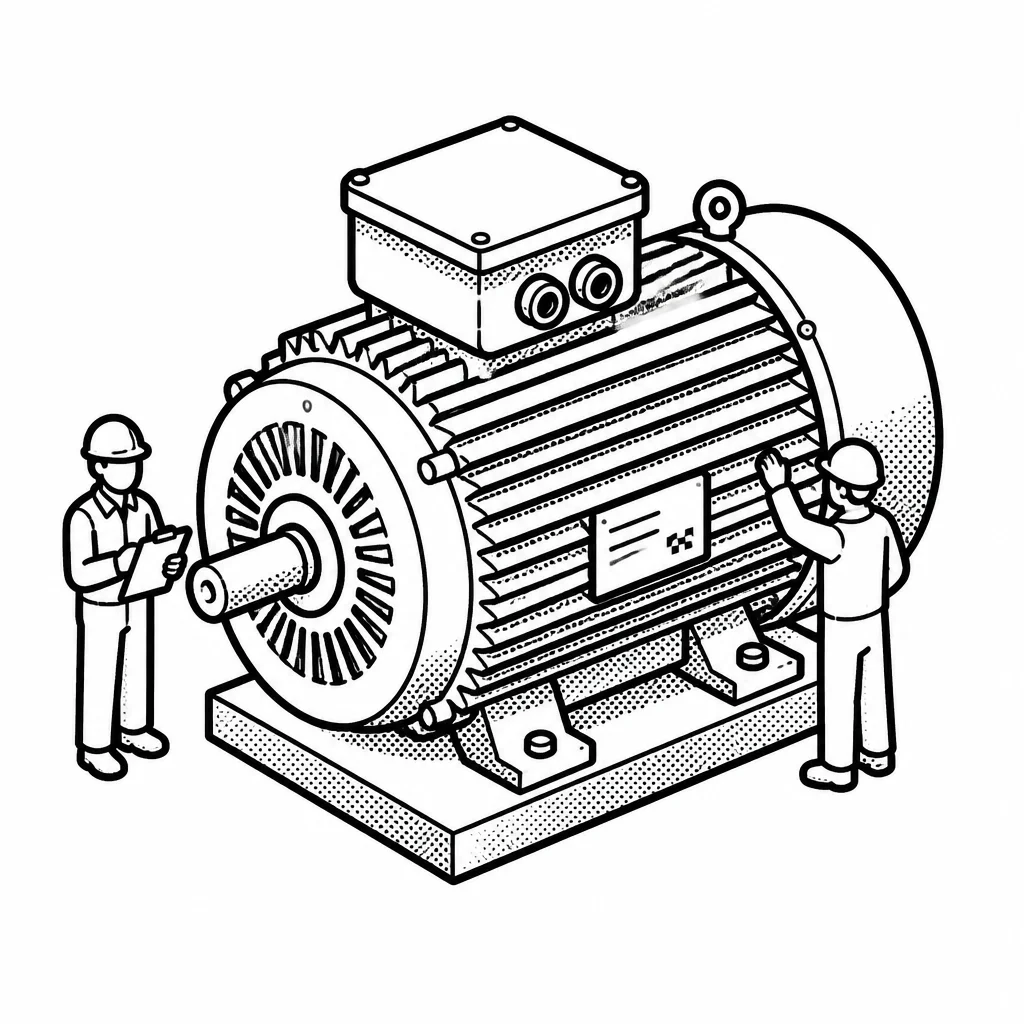
The business splits roughly into two halves. One is power systems — transformers, switchgear, and other grid equipment that utilities and industrial customers pay for, often through large project orders that can take months or years to deliver. The other is industrial systems, especially electric motors, where CG Power has been a long-standing brand in India. There's also a railway business supplying traction equipment and signaling to Indian Railways, which is a big, steady customer but one that moves at the pace of government tenders and budget cycles. What makes CG Power interesting is its turnaround story. For years it was a sprawling, debt-laden conglomerate with a confusing structure and a boardroom blow-up that nearly sank it. India's Tata Group-affiliated interests and a new management team cleaned it up, sold off non-core businesses, and shrank it back to its electrical core. That reset made the company simpler and far more profitable. Today it competes with much larger players like Siemens, ABB, and Bharat Heavy Electricals in India, and its pitch is basically that it knows the Indian market, its products are cheaper than the global giants', and the grid and factory buildout in India keeps demand coming.
The big tailwind is electrification — India is spending heavily to upgrade its power grid, connect renewable energy, and expand rail networks, and all of that needs the equipment CG Power makes. The big risk is that project orders are lumpy and tied to government and utility spending, so revenue can swing year to year. CG Power also went through a notable equity episode: a large chunk of its shares was sold by its promoter group in 2023–2024, which is worth watching because it changes who controls the company going forward.
Saved answer · last researched 12 Nov 2026