Understand any stock in simple English
Enter a ticker to learn what the company does and how it makes money.
Bharat Heavy Electricals Limited
Bharat Heavy Electricals builds and maintains the heavy equipment that power plants and factories run on.
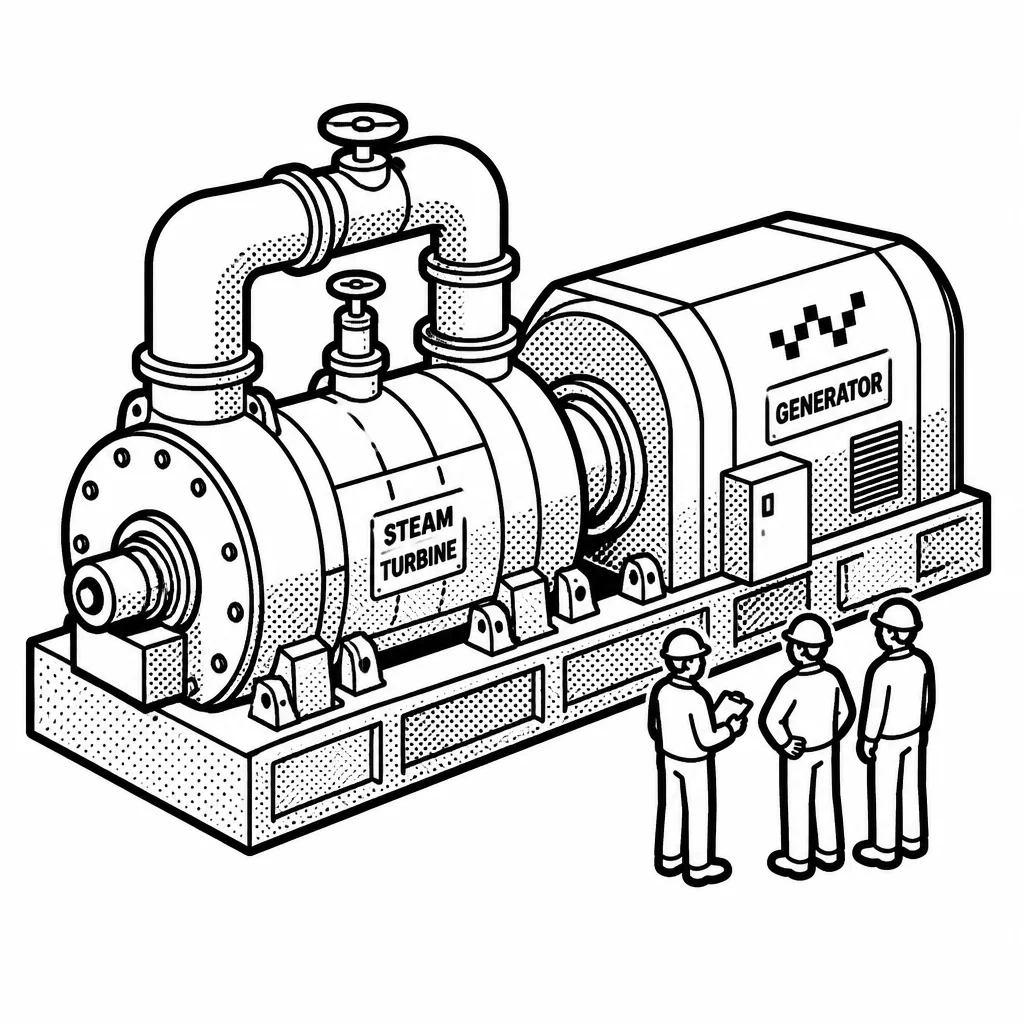
Bharat Heavy Electricals makes the giant machines that turn fuel and falling water into electricity. It builds boilers, steam turbines, generators, and the control systems that tie them together, then services that equipment for decades after it is installed. Its customers are mostly state-owned power producers, private electricity companies, and industrial firms in India and abroad. When a utility needs a new coal or hydro plant, or wants to keep an old one running, BHEL is one of the few companies that can supply nearly the whole kit.
The business runs on big, slow contracts. A single power plant order can be worth hundreds of crores of rupees and take years to build, so revenue arrives in chunks as milestones are hit. BHEL also earns steady money from spares, repairs, and upgrades, which matters because India's installed base of older plants needs constant attention. It competes with Larsen & Toubro and Siemens in India, and with Chinese and European equipment makers abroad. Its edge is scale, long relationships with Indian utilities, and the ability to manufacture heavy equipment in its own factories. For years BHEL was the default supplier for India's coal power buildout, and that reliance hurt when new coal orders slowed. The company has been trying to shift toward solar, transmission equipment, defence electronics, and rail and transport gear. It also makes electric locomotives and has worked on hydrogen and battery storage projects. These newer lines are smaller than the core power business but represent the main hope for growth.
The Indian government owns a little over half of BHEL, so it operates with political and policy tailwinds but also bureaucratic constraints. Order flow depends heavily on how fast state utilities and the central government award new projects. That makes earnings lumpy and tied to the national power investment cycle. Capital is spent on factories and research rather than lavish dividends, and the company has generally kept its balance sheet conservative.
Saved answer · last researched 12 Nov 2026