Understand any stock in simple English
Enter a ticker to learn what the company does and how it makes money.
Buzzi S.p.A.
Buzzi makes and sells cement, ready-mix concrete, and aggregates to construction markets around the world.
Buzzi is a building-materials company. If you pour a foundation, build a bridge, or pave a road, you need the gray powder that holds it all together, and Buzzi is one of the companies that sells it. The company produces cement — the key ingredient in concrete — along with ready-mix concrete that arrives at a job site already mixed, and aggregates like crushed stone and sand that go into both. Its customers are construction firms, concrete producers, and infrastructure builders who buy these materials by the truckload and trainload.
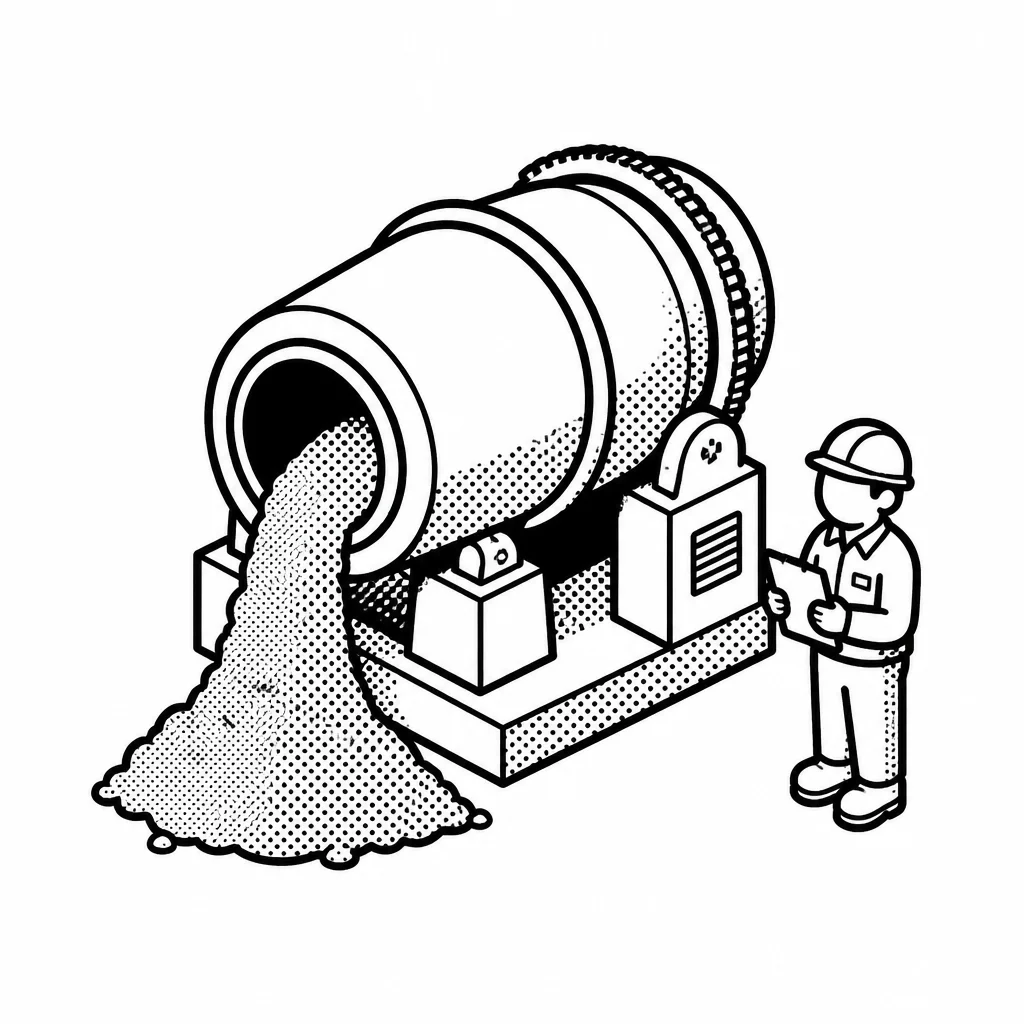
Here is the simple version of the business: cement is heavy and cheap per ton, so shipping it far eats your profit. That is why the industry is a patchwork of regional players rather than one global giant. Buzzi has spent decades assembling a collection of well-run cement businesses across Europe and North America, mostly in Italy, Germany, Luxembourg, the Netherlands, Poland, the Czech Republic, Slovakia, Ukraine, and the United States. Being strong in a region means local builders have few nearby alternatives, which gives Buzzi real pricing power when demand is good. The business is brutally cyclical. When construction booms, cement sells itself and prices rise. When building slows, volumes fall and huge fixed costs — kilns, quarries, plants — stay stubbornly in place. The company also carries a large pension obligation and a meaningful debt load, and it has dealt with more than its share of drama: its historic parent, a family-controlled holding, collapsed into insolvency years ago, and Buzzi's operations in Ukraine have been disrupted by the war there. Energy is another swing factor, since making cement requires enormous heat, so fuel costs can squeeze margins fast.
Still, Buzzi is a disciplined, family-influenced operator that generates plenty of cash in good years and returns much of it to shareholders, largely through dividends. The bet investors make is straightforward: own a low-cost producer in markets where building must eventually happen, collect the cash, and ride out the downturns. Competitors include the big international cement groups such as Holcim and Heidelberg Materials, though in most local markets Buzzi's real rivals are regional producers most people have never heard of.
Saved answer · last researched 12 Nov 2026