Understand any stock in simple English
Enter a ticker to learn what the company does and how it makes money.
Heidelberg Materials AG
Heidelberg Materials sells cement, aggregates, ready-mixed concrete, and asphalt to construction customers around the world.
Heidelberg Materials is one of the world's biggest building materials companies. If a road, a bridge, an office tower, or a house is going up, there is a decent chance its cement or crushed stone is in it. The company digs rock out of quarries, turns limestone into cement, and mixes concrete and asphalt that get poured into construction sites. Its customers are mostly construction firms, concrete producers, and big infrastructure projects — the people actually building things.
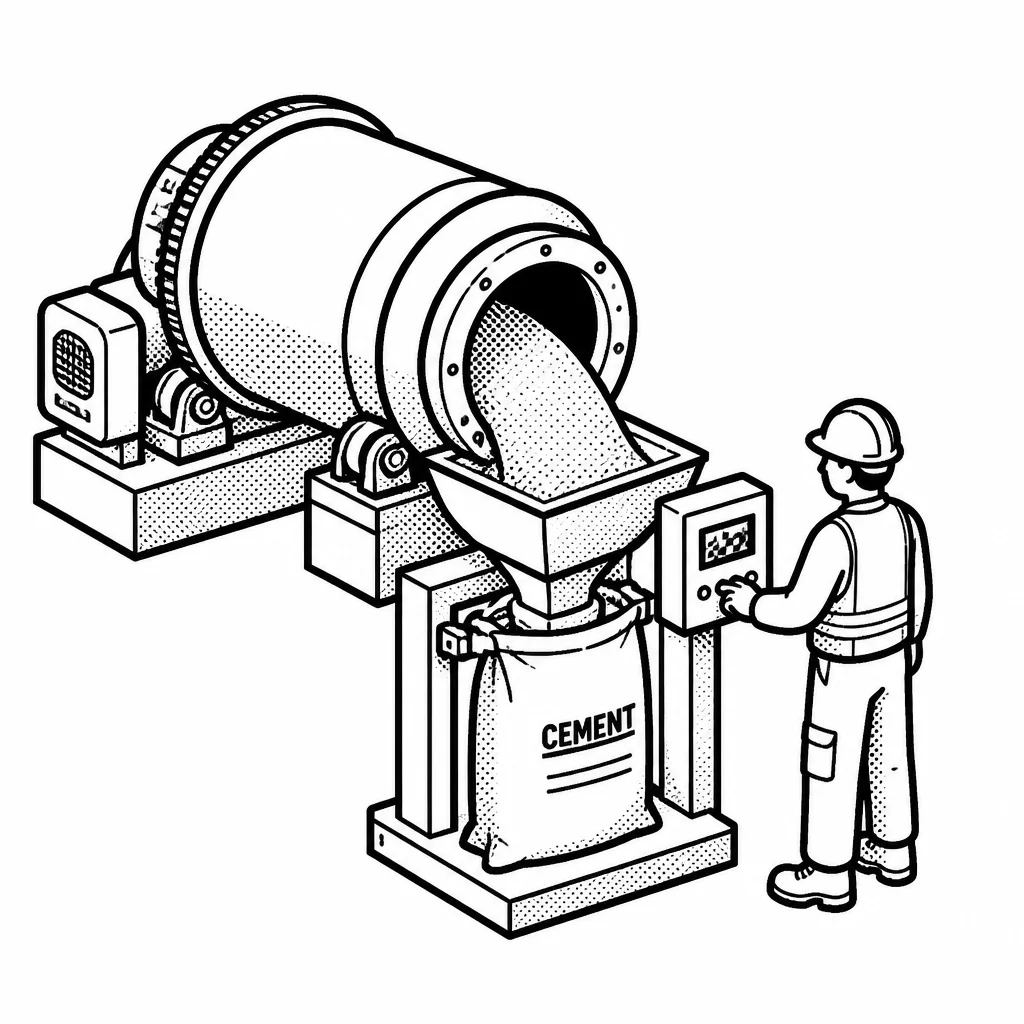
The business runs on a simple chain. Aggregates — sand, gravel, and crushed stone — come from the company's own quarries. Cement is made by heating limestone and other ingredients in huge kilns, a hot and energy-hungry process. Then the company sells these materials, often mixing them into ready-mixed concrete delivered by truck. Owning the quarry and the cement plant means it captures several layers of profit on the same construction project, and its quarries are hard-to-replace assets because new mining permits are tough to get. Cement is a heavy, low-value-per-ton product, so shipping it far rarely makes sense. That gives local producers a natural moat: a plant usually serves the region around it. But the industry also faces real pressure. Making cement is one of the dirtiest industrial processes on earth, responsible for a large share of global carbon emissions, and governments are tightening rules. Heidelberg Materials has responded by pushing lower-carbon products, including cement that captures and stores its own emissions, and by expanding in North America, where infrastructure spending has been strong.
The company was long known as HeidelbergCement before renaming itself Heidelberg Materials in 2023 to signal a shift beyond cement. It is headquartered in Germany and sells across Europe, North America, Asia, and Africa. Its main publicly traded rivals include Holcim and Cemex. Construction is a cyclical business — when economies slow and building stops, demand for cement falls with it — so the company's fortunes rise and fall with the building cycle, and its heavy debt load from past acquisitions makes it sensitive to those swings. It pays a dividend and has been using cash to cut debt and fund its lower-carbon push.
Saved answer · last researched 12 Nov 2026