Understand any stock in simple English
Enter a ticker to learn what the company does and how it makes money.
Axia Energia S.A.
Axia Energia generates, transmits, distributes, and sells electricity to millions of people and businesses across Brazil.
Axia Energia is one of the biggest electricity companies in Brazil. It runs hydroelectric dams that turn rushing river water into power, strings up long transmission lines that carry that power across huge distances, and owns distribution companies that connect the wires directly to homes and businesses. It also trades electricity on the market. So the company touches the entire journey of electricity: making it, moving it, and selling it at the end.
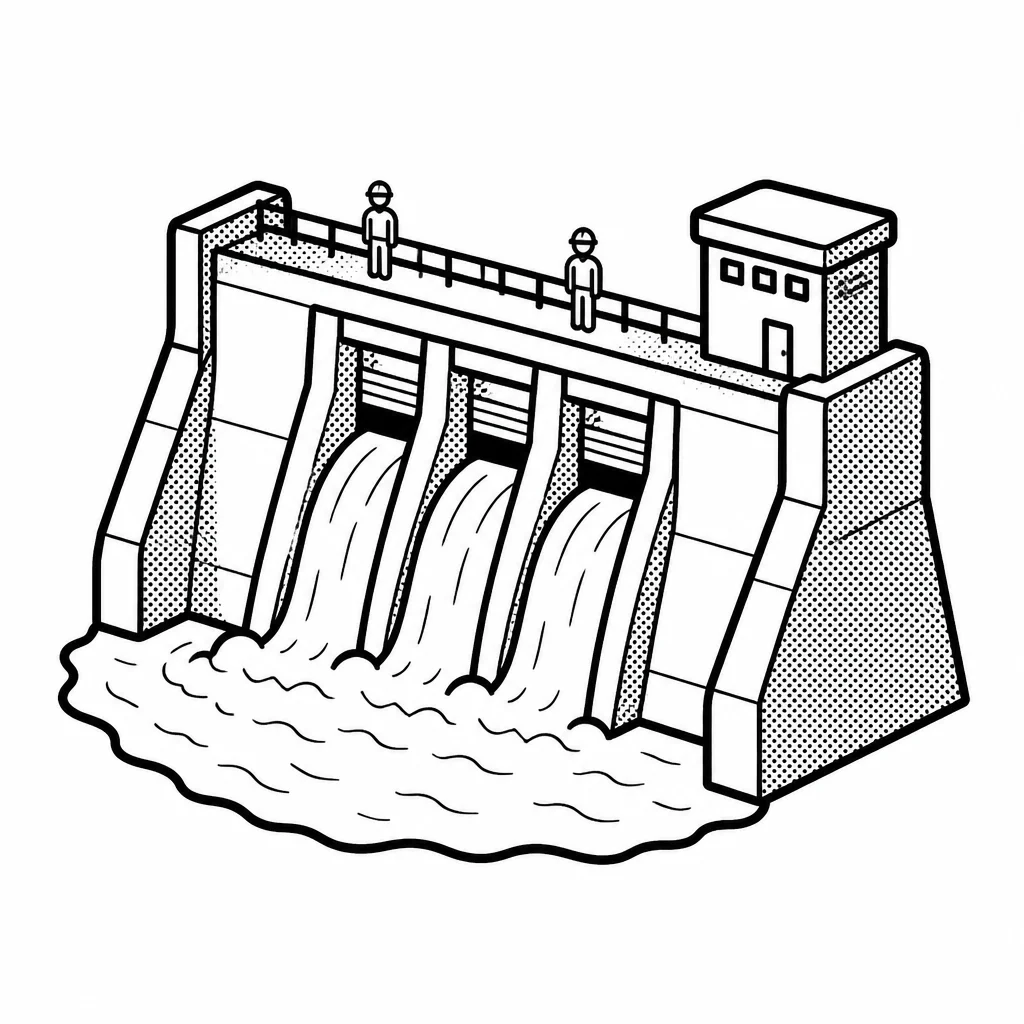
Most of its money comes from signing contracts to supply power to big customers and from the regulated fees it charges households and businesses in the areas it serves with distribution. Brazil's government sets many of those rules and prices, so this is a business where regulators can make or break a chunk of the earnings. Its crown jewels are its huge hydro plants, especially the Itaipu dam on the border with Paraguay — one of the largest hydropower stations on Earth. Cheap, steady river power is a genuine advantage, but it also makes the company a hostage to droughts, which shrink reservoirs and force expensive backup power. There is a big twist in this story. For decades the company was known as Eletrobras, a sprawling state-controlled giant that Brazil's government used to steer the power system. In 2022 it was privatized and sold shares to the public, and it later rebranded as Axia Energia. The new name and structure are meant to signal a leaner, more market-driven company — focused on cutting costs, slimming down, and earning real returns for private shareholders instead of serving political goals. That transition is the main thing to watch, because old habits and government influence die hard.
The competition comes from other big Brazilian power groups, like Engie Brasil and CPFL Energia, plus a growing flood of cheap wind and solar that undercuts older dams on cost. Axia's response has been to invest in new transmission lines and renewable projects while paying down debt and returning more cash to owners. It is a bet that owning the wires and the rivers — the parts of the system everyone must use — beats simply generating electrons in a crowded market.
Saved answer · last researched 12 Nov 2026