Understand any stock in simple English
Enter a ticker to learn what the company does and how it makes money.
CPFL Energia S.A.
CPFL Energia makes, moves, and sells electricity to homes and businesses across Brazil.
CPFL Energia is one of Brazil's biggest electricity companies, and it touches almost every part of the power chain. It runs hydroelectric dams and other generators that produce electricity. It operates transmission lines that carry that power across long distances. And through its distribution companies, it delivers electricity to millions of homes, shops, and factories, then bills them for what they use. Most of the money comes from that last step — the regulated distribution business — where CPFL is paid a set rate for moving power to customers in the regions it serves.
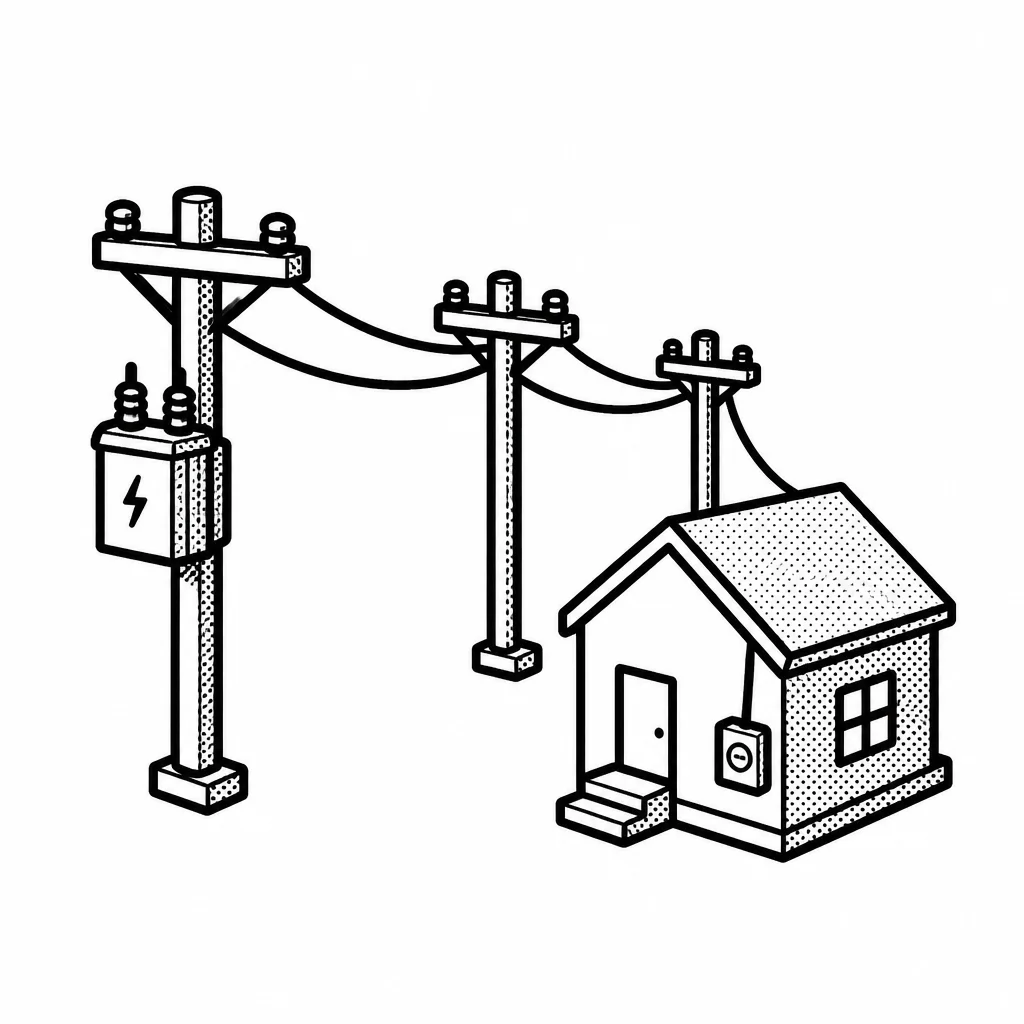
The distribution side is the heart of the machine. In Brazil, power distributors are regulated monopolies: if you live in a CPFL service area, you don't shop around for a different wire company. A regulator sets the rates CPFL can charge and the return it can earn, which makes the business predictable but caps how much it can profit. Demand grows slowly and steadily with the economy, homes, and businesses, and that slow, reliable growth is the appeal. The catch is that regulators can squeeze margins, and bad weather, theft of power, and economic slumps can all dent results. CPFL's controlling shareholder is China's State Grid, one of the world's largest utilities, which bought its stake in 2017. That gives CPFL deep-pocketed backing and a link to global power expertise. The company also owns a renewable energy arm focused on wind and solar, and it has been investing in those areas as Brazil builds out cleaner generation. Its main publicly traded competitors in Brazil include Eletrobras and Energisa, though they mostly operate in different service territories rather than fighting over the same wires.
For a utility, CPFL generates plenty of steady cash, and a big share of it flows back to shareholders as dividends — Brazilian utility stocks are often bought precisely for that income. The company also spends on upgrading and expanding its grid and on new renewable projects. The whole business rests on a simple idea: people and businesses need electricity every day, and someone has to own the wires and the dams. CPFL is one of the companies that does, which makes it a slow-growing, dependable cash machine rather than a fast-moving growth story.
Saved answer · last researched 12 Nov 2026