Understand any stock in simple English
Enter a ticker to learn what the company does and how it makes money.
Engie Brasil Energia S.A.
Engie Brasil builds and operates power plants in Brazil and sells the electricity they generate.
Engie Brasil is one of Brazil's largest private electricity producers. It runs hydroelectric dams, wind farms, solar plants, and some thermal power stations, and then sells the electricity those plants produce. Its customers are mostly big electricity users—industrial companies, power distributors, and energy traders—who buy power through long-term contracts.
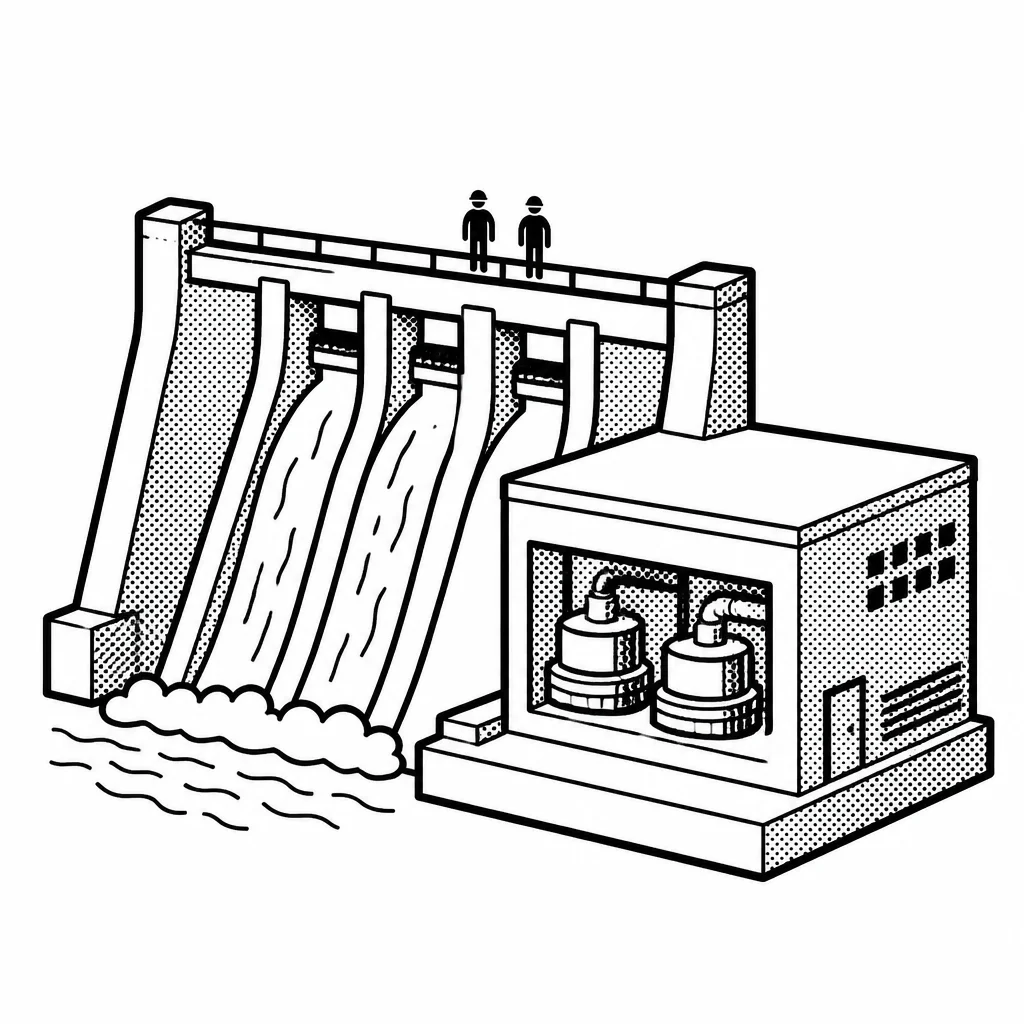
The heart of the business is hydropower. Brazil gets most of its electricity from rivers, and Engie Brasil owns a large portfolio of dams, the biggest being the giant Itaipu plant, which it co-owns with the Brazilian government. Hydropower is cheap to run once a dam is built, so it throws off steady cash. But it has a weakness: when rainfall is poor and reservoirs run low, output falls and the company has to buy expensive power on the open market to honor its contracts. That is why Engie has been adding wind and solar—to spread its bets and reduce its reliance on the weather. It also owns a stake in a major natural gas pipeline, which earns money from transporting gas rather than producing power. That adds a second, steadier stream of income that doesn't depend on rain or electricity prices. The company is controlled by the French energy giant Engie, which holds most of its shares, while the rest trade freely on the São Paulo exchange.
Engie Brasil is a cash machine: it pays out a large share of its profits as dividends, which is a big reason investors own it. The business is fairly simple—build and run power plants, sell the electricity, collect the cash—but it carries real risks. Government regulation of the power sector, volatile rainfall, and the price of energy all move its results. Its main rivals are other big Brazilian generators like Eletrobras and Copel.
Saved answer · last researched 12 Nov 2026