Understand any stock in simple English
Enter a ticker to learn what the company does and how it makes money.
Axia Energia S.A.
Axia Energia generates, transmits, and sells electricity to distributors and consumers across Brazil.
Axia Energia is one of Brazil's largest electricity companies — the kind of outfit that makes the lights come on for tens of millions of people. It runs hydroelectric dams and other power plants that generate electricity, owns long stretches of transmission lines that carry that power across huge distances, and sells energy to distributors and big consumers. If you live in Brazil, there is a decent chance some of the electricity in your wall socket started at one of its facilities.
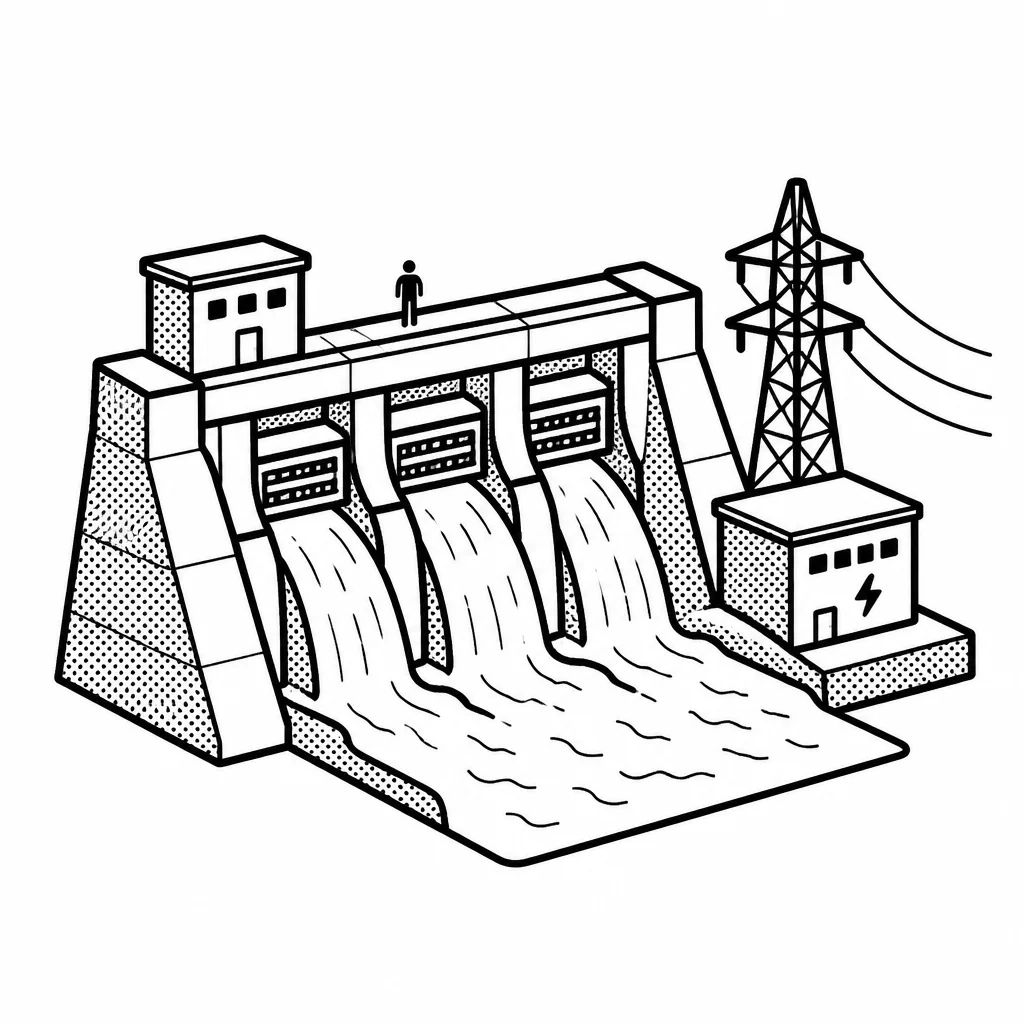
The company most people knew as Eletrobrás was renamed Axia Energia, and the new name is meant to mark a fresh start after years of messy restructuring and a big push to sell off non-core assets. Its crown jewels are the big hydro plants — cheap, steady sources of power that are hard to replicate. Generation is the heart of the business: it produces electricity and sells it, mostly through long-term contracts, to distributors and large industrial customers. Transmission is the quieter, more predictable sibling — it gets paid a regulated fee for moving power along its lines, regardless of who is buying and selling. The transmission side acts like a toll road: steady, boring, and reliable, which is exactly what investors in a volatile country like Brazil tend to like. The tricky part is that hydropower depends on rain. When droughts hit and reservoirs run low, the company has to buy expensive power on the open market to honor its contracts, which can squeeze profits badly. That is why the business is not as safe as it looks on paper. The other big story is politics and regulation — electricity prices and auctions in Brazil are shaped heavily by the government, and the company has been through painful episodes involving debts, subsidies, and forced changes to how it operates. Its main competition comes from other large power producers and traders, including Eletrobras's old rival players like Engie Brasil and CPFL Energia, plus a crowded field of smaller generators and the big private groups that increasingly dominate the sector.
The company has been using asset sales to clean up its balance sheet and sharpen its focus on core power operations. It sold off distribution businesses and other pieces that added complexity without much upside — a classic move for a utility trying to become simpler and more predictable. That free cash flow, when it arrives, goes toward debt reduction, dividends, and investment in its plants and grid. The big question hanging over Axia Energia is whether a leaner, more focused power company can grow steadily in a country where rainfall, regulation, and politics all have a say in the outcome.
Saved answer · last researched 12 Nov 2026