Understand any stock in simple English
Enter a ticker to learn what the company does and how it makes money.
Amplifon S.p.A.
Amplifon sells hearing aids and fitting services to people with hearing loss, mostly through its own network of stores.
Amplifon is the world's biggest hearing-aid retailer. It runs thousands of stores and clinics where people come in, get their hearing tested, and walk out with a device fitted to their ears. The company sells the hearing aids themselves, but a big part of what customers pay for is the service around them: the test, the fitting, the follow-up visits, and the batteries and repairs that keep the device working for years.
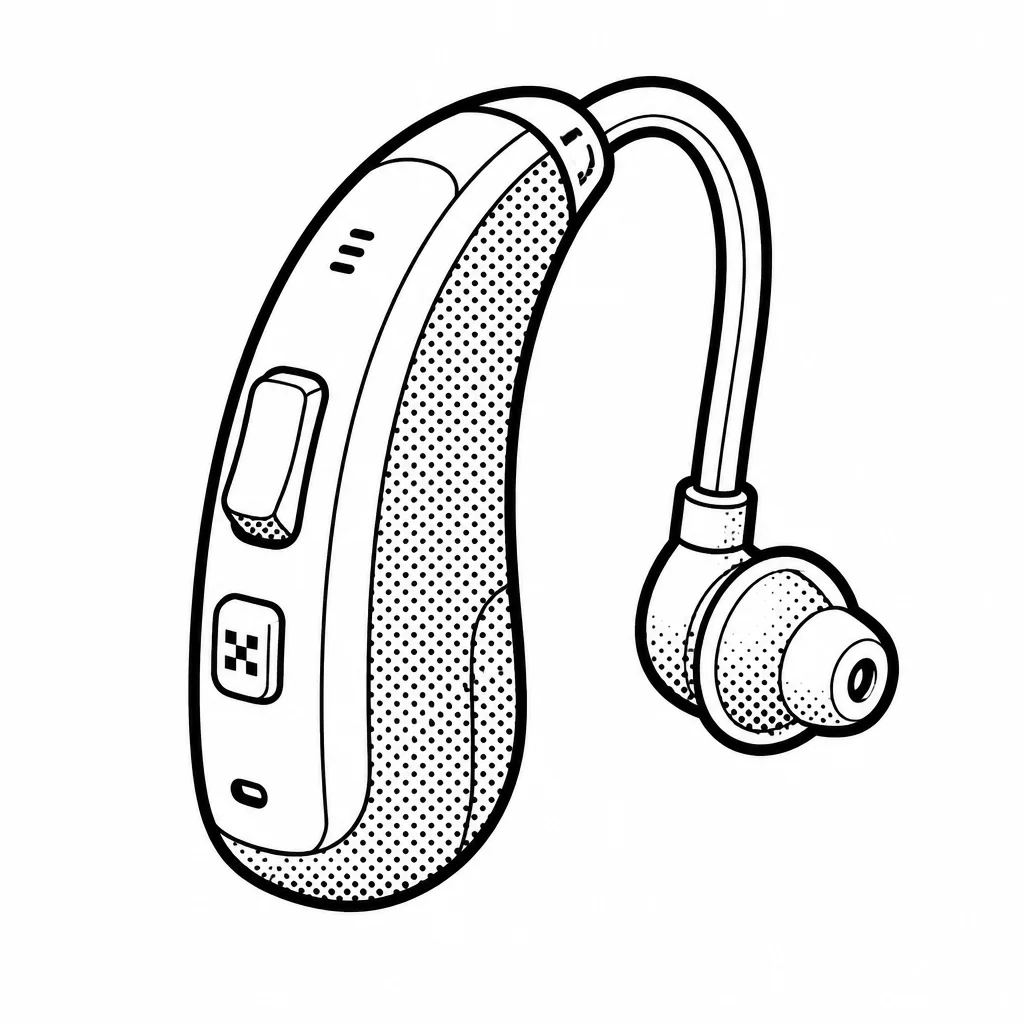
The business works because hearing aids are not a simple product you buy off a shelf. Most customers are older, often 65 and up, and they need help choosing a device, getting it adjusted to their ears, and learning to use it. Amplifon owns shops under brands like Amplifon, Miracle-Ear, and Boots Hearingcare, and it also sells through partner stores. It buys devices from manufacturers such as Demant and Sonova, then marks them up and bundles them with the fitting service. Customers rarely shop around much, because the whole process feels medical and personal. That is also where the risk sits. The hearing-aid market is regulated, and in some countries, like the United States, new rules now let people buy cheaper over-the-counter hearing aids without a fitting appointment. That could pull some price-sensitive customers away from the store model. On the other hand, Amplifon's scale lets it negotiate better prices from suppliers and spend heavily on marketing, which smaller rivals cannot match. The company has grown largely by buying up local hearing-aid chains across Europe, the Americas, and Asia Pacific, then squeezing more sales out of them.
Amplifon's revenue is over two billion euros a year, and it has been growing steadily as populations age. It pays a small dividend and uses leftover cash to keep buying smaller competitors. The simple bet is that more old people with hearing loss, plus a fragmented market of small local shops, equals a long runway for a big, efficient operator to keep rolling up. The question is whether cheaper direct-to-consumer and over-the-counter options slowly eat into the fat margins that fitting appointments have historically protected.
Saved answer · last researched 12 Nov 2026