Understand any stock in simple English
Enter a ticker to learn what the company does and how it makes money.
Marubeni Corporation
Marubeni is a Japanese trading house that buys, sells, and invests in physical goods and businesses around the world.
Marubeni is one of Japan's big general trading companies, known as *sogo shosha*. These firms are unusual: they don't make one product. Instead, they sit in the middle of global trade, buying and selling grains, metals, energy, chemicals, machinery, and consumer goods, and often taking a stake in the businesses that produce or move those things. If a country needs wheat, a power plant, or a steady supply of pulp for paper, Marubeni is the kind of company that helps arrange it.
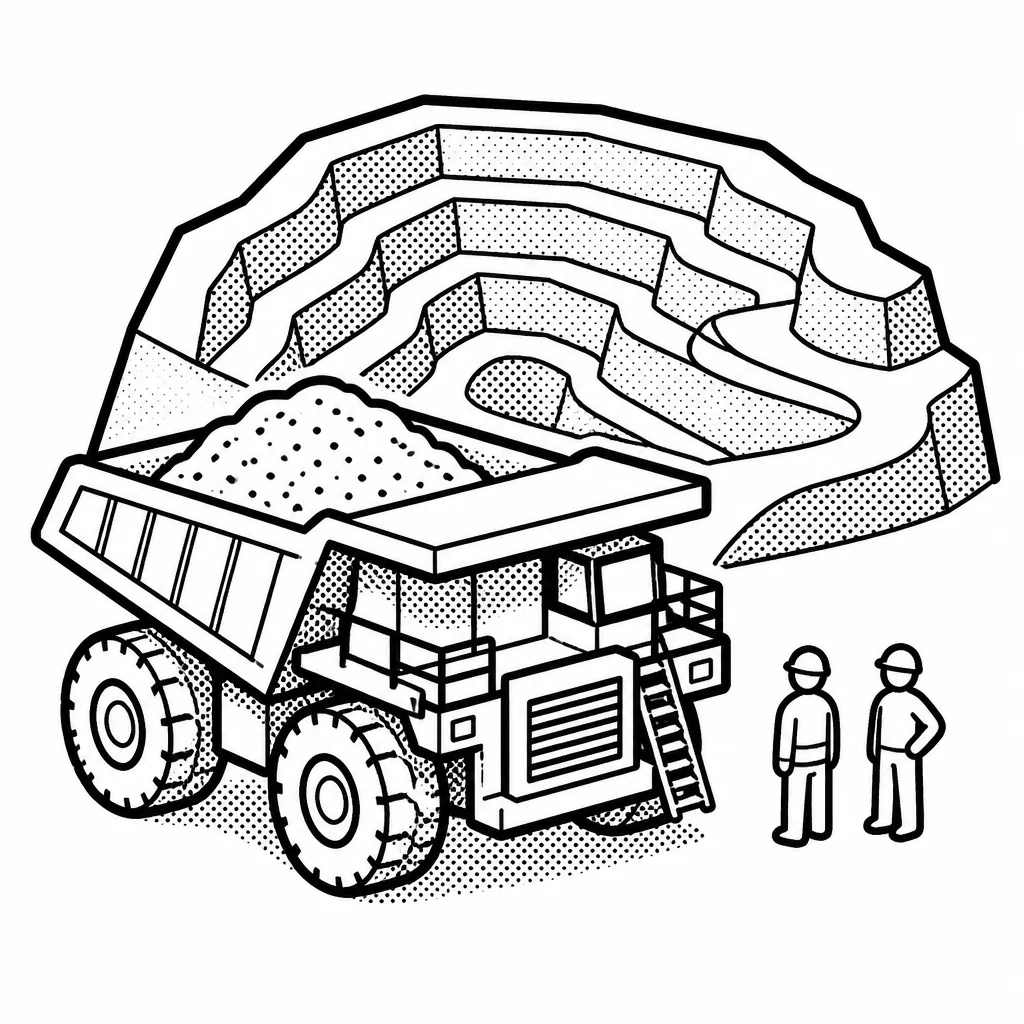
The core skill is connection and risk-taking. Marubeni's overseas network finds sellers and buyers, its traders negotiate the deal, and the company often puts its own money into mines, farms, ports, or power projects to lock in supply and earn a return. Its business spreads across food and agriculture, energy and metals, chemicals, machinery, and consumer goods. That spread matters: when one market slumps, another can hold up. The company traces its roots back to the 1800s, when it traded textiles and later took the name Marubeni-Iida. It survived Japan's post-war restructuring and became a global investor. Like its peers Mitsubishi Corporation-style conglomerates, it earns money from trading margins plus dividends and profits from the companies it owns. Its competitors include other Japanese trading houses, such as Mitsubishi Corporation and Mitsui & Co., along with specialist traders and producers in each commodity.
Marubeni's size and long relationships are its strength, but commodities are cyclical and volatile, so profits swing with prices and global demand. It also faces scrutiny over environmental issues tied to coal and fossil-fuel projects. Still, the basic model is durable: make money by knowing where goods are needed, moving them there, and owning a piece of the businesses that make it happen.
Saved answer · last researched 12 Nov 2026