Understand any stock in simple English
Enter a ticker to learn what the company does and how it makes money.
Mitsui & Co., Ltd.
Mitsui is a giant Japanese trading house that buys, sells, invests in, and helps run businesses across energy, metals, food, machinery, and consumer goods all over the world.
Mitsui is one of Japan's big "general trading companies" — a kind of business that is hard to picture at first because it doesn't make one thing. Instead, it operates as a worldwide network of traders and investors. It buys and sells commodities like iron ore, natural gas, and food, and it also takes stakes in the companies that produce and move those things. So it earns money two ways: from the thin margin on trading goods, and from its share of profits when the businesses it invests in do well.
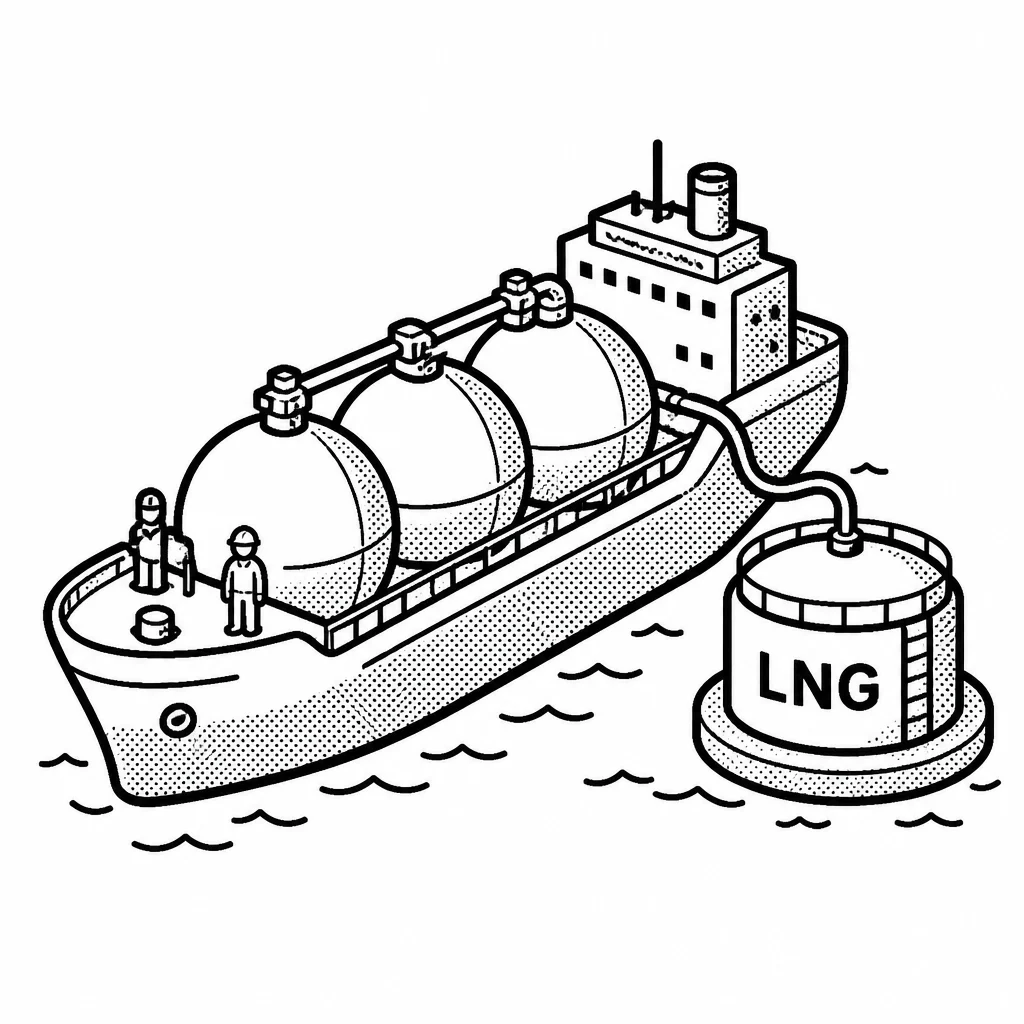
The best way to understand it is as part owner of a huge, scattered portfolio. Mitsui holds interests in oil and gas projects, mines, power plants, grain and food operations, chemical plants, and machinery businesses. It also owns pieces of consumer and retail companies. A single year's profit can swing a lot depending on energy prices and commodity markets, which is why the trading houses are often described as a bet on the global economy rather than on one product. Its scale is enormous. Mitsui reported revenue of roughly 13 trillion yen in its fiscal year ended March 2025, and it runs an international operation with offices and partners across the Americas, Asia, Europe, and the Middle East. Its main rivals are the other Japanese trading giants, such as Itochu and Mitsubishi Corporation, plus global commodity traders and miners. What sets Mitsui apart is its sprawling web of minority stakes and joint ventures — it rarely owns a business outright, but it is involved in an astonishing number of them.
Mitsui uses its cash to keep buying into new areas, especially energy transition projects, and to pay shareholders. It has been steadily buying back its own shares and raising dividends, returning a large share of its profits to investors. The catch is the same as its strength: because its fortunes are tied to commodity prices and global trade, a downturn in energy or metals can hit profits quickly, and its value depends on management's skill at picking the right investments around the world.
Saved answer · last researched 12 Nov 2026