Understand any stock in simple English
Enter a ticker to learn what the company does and how it makes money.
Yushu Technology Co., Ltd.
Unitree Robotics builds and sells four-legged robot dogs and humanoid robots for research, industry, and entertainment.
Unitree Robotics makes robots that walk. Its main products are quadruped "robot dogs" — mechanical animals that trot, climb stairs, and carry sensors — plus a growing line of humanoid robots that stand and move on two legs. Customers use them for research labs, factory inspections, security patrols, and increasingly as eye-catching performers or hobbyist toys.
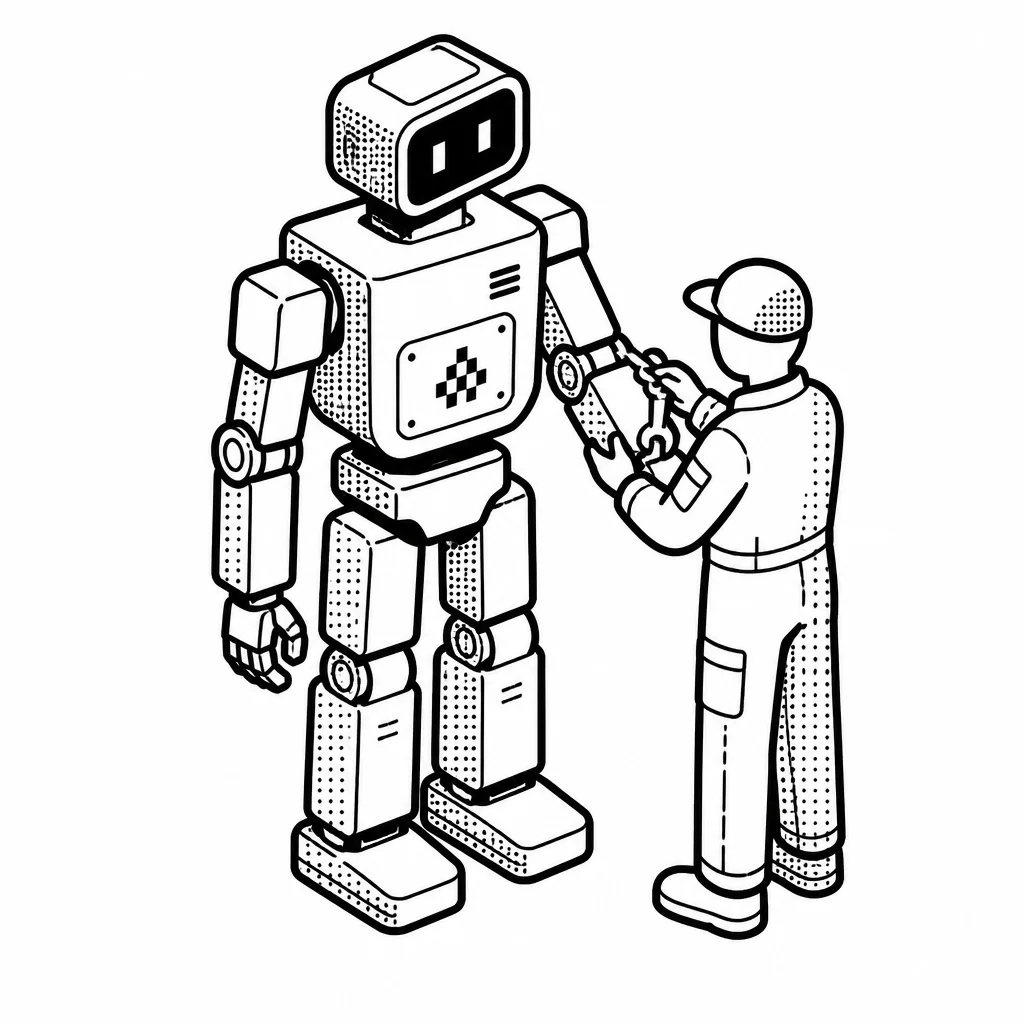
The company sells hardware, and the price tag is the pitch. Unitree's robot dogs start at roughly the cost of a used car rather than the price of a house, which is why universities and small firms can afford them. Its budget Go-series dogs made the company famous by undercutting rivals like Boston Dynamics (private, no ticker) by a wide margin. The company also sells to industrial buyers who need a robot to walk into places humans shouldn't, and to consumers who simply want a clever gadget. Unitree listed on Shanghai's STAR Market in 2025, a board for science and tech companies, raising money to scale up manufacturing and push into humanoids. The humanoid bet is the big swing: these two-legged machines are far harder to make useful than dogs, and the market for them is still mostly promise. Competition is fierce, from established players to a wave of Chinese startups all chasing the same buyers.
The core tension is simple. Unitree is very good at building affordable, capable robots, but the useful, money-making jobs for walking robots are still limited. Selling to researchers and hobbyists is a real business; selling armies of humanoid workers to factories is not yet. Investors are paying for the second story while the first one pays the bills.
Saved answer · last researched 10 Nov 2026