Understand any stock in simple English
Enter a ticker to learn what the company does and how it makes money.
Midea Group Co., Ltd.
Midea makes home appliances like air conditioners and washing machines, plus industrial robots and energy-saving equipment for factories.
Midea is one of those companies whose products are in millions of homes without most people knowing the corporate name behind them. It is one of the world's largest makers of home appliances — air conditioners, refrigerators, washing machines, and small kitchen gadgets — sold to ordinary households, often under the Midea brand itself but also under brands it owns or supplies. It also sells heating and cooling systems for buildings, and it makes robots and factory automation equipment for industry. So it sits in two very different worlds: the consumer market, where it fights on price and brand, and the industrial market, where it sells machinery and engineering.
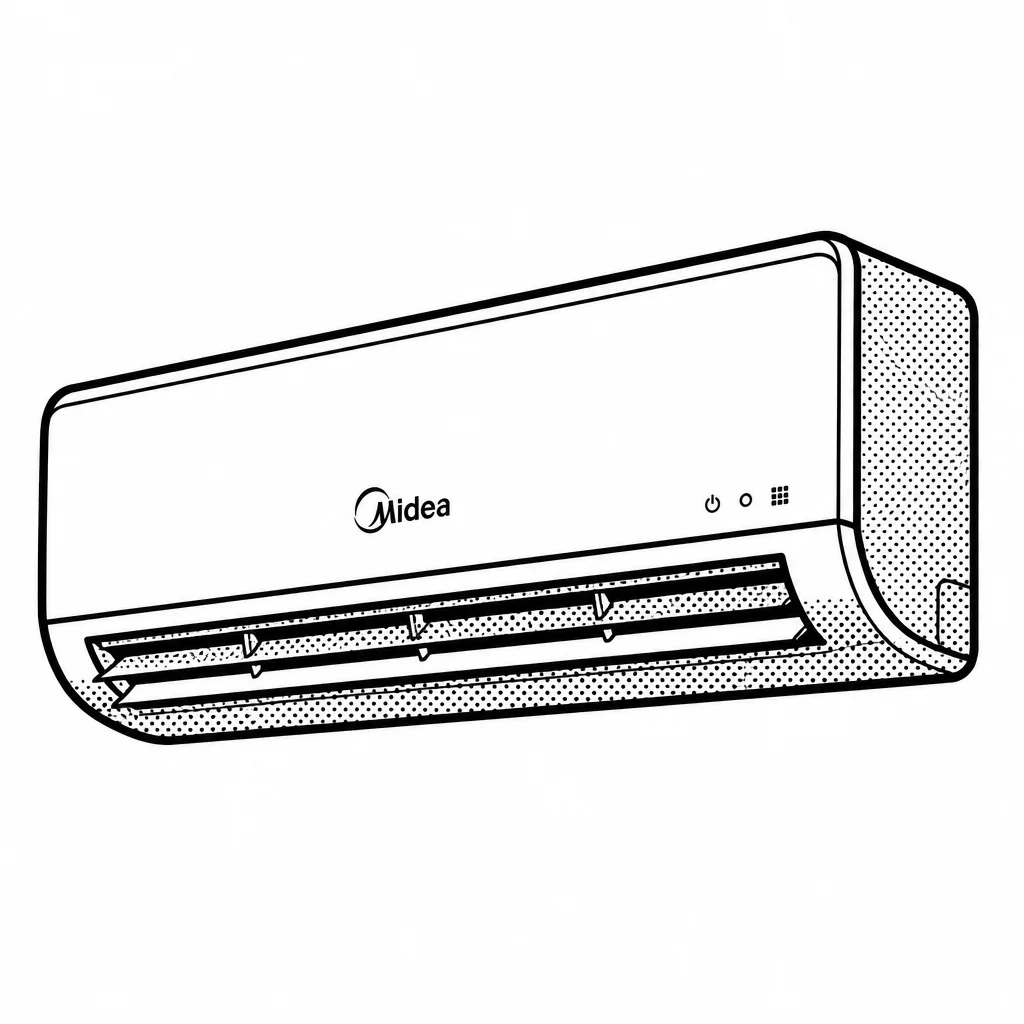
The consumer side is the engine. People buy an air conditioner or a washing machine because it is affordable, reliable, and easy to find, and Midea wins on scale — it builds enormous volumes, which lets it keep costs low and prices sharp. It sells through retailers and online, and increasingly it designs "smart" appliances that connect to a phone app. On the industrial side, its robotics business (built partly through its ownership of the German robot maker Kuka) sells automated arms and systems to carmakers and other factories that want to replace manual labor with machines. What makes Midea interesting is how it uses the cash its appliance business throws off. It has spent heavily on automation and robotics to diversify beyond the crowded, low-margin appliance market, and it returns a lot of money to shareholders through dividends and buybacks. It is also exposed to the same forces that hit any big appliance maker: a slowing Chinese property market (fewer new homes means fewer new air conditioners), intense price competition, and trade tensions that affect exports. It is a scale business more than a brand-loyalty business — a bit like being the world's biggest, most efficient factory for the machines that keep homes comfortable.
Its main rivals are other giant appliance makers, and its home market is China, where it is headquartered. The bet is simple: use low-cost manufacturing and steady dividends to keep shareholders happy, while quietly building a second act in factory robots and energy solutions. Whether that second act grows fast enough to offset a maturing appliance business is the question that matters most for the company over the next several years.
Saved answer · last researched 12 Nov 2026