Understand any stock in simple English
Enter a ticker to learn what the company does and how it makes money.
Yageo Corporation
Yageo makes the tiny passive electronic components — resistors, capacitors, and inductors — that go inside almost every electronic device.
Yageo makes the small, unglamorous parts that every electronic device needs. Its main products are resistors, which limit and control the flow of electricity; capacitors, which store and release tiny bursts of energy; and inductors, which manage signals. None of these parts costs much on its own. A single resistor might sell for a fraction of a cent. But a smartphone, a laptop, a car, or a server contains hundreds or thousands of them, and someone has to make them reliably at enormous scale. That someone is Yageo.
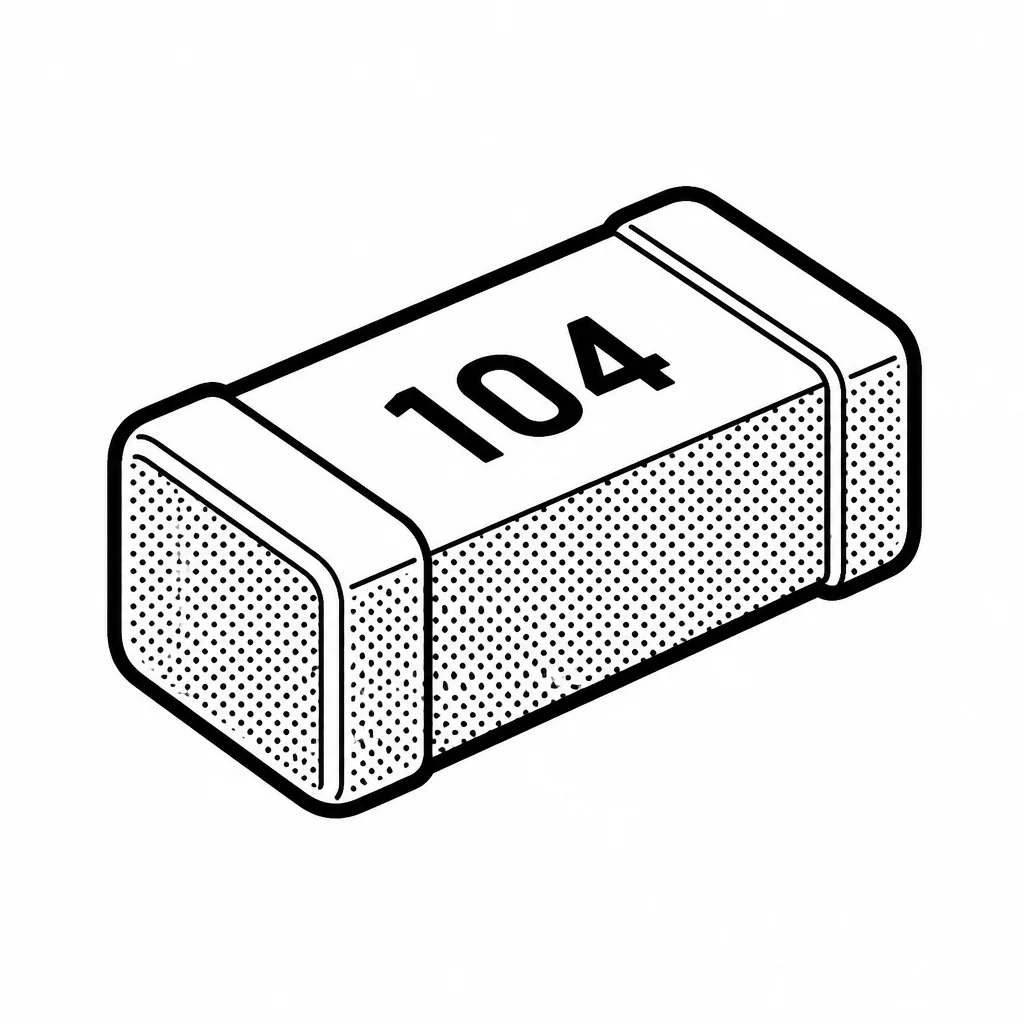
The company earns money by selling these components in huge volumes to the businesses that design and build electronics — device makers, contract manufacturers, automakers, and industrial equipment firms. Its customers rarely buy one part at a time; they buy reels of tens of thousands. Yageo's edge comes from scale and breadth: it offers one of the widest catalogs of passive components in the world, so a customer can source many different parts from a single supplier instead of juggling dozens of small vendors. That convenience, plus the reliability of a big established maker, is why customers choose it over smaller rivals. The business is more cyclical than it looks. Passive components swing between shortage and glut: when demand surges, prices and profits jump; when the market floods with supply, prices collapse. Yageo has lived through both. It has also grown by acquisition, buying up other component makers to widen its catalog — including the big 2020 deal for KEMET, a US maker of capacitors, which pushed it deeper into higher-value parts used in cars and industrial gear. That shift matters, because auto and industrial customers pay more and stick around longer than the consumer electronics market.
Yageo sits in a crowded field. It competes with Murata Manufacturing, TDK, and Samsung Electro-Mechanics, among others, and like them it is exposed to the health of the global electronics cycle. Its profits are real but uneven. The company returns cash to shareholders partly through dividends, and its scale gives it staying power through downturns — but no one should mistake it for a steady, predictable business. It is a volume manufacturer in a commodity-ish market, and its fortunes rise and fall with the gadget-buying mood of the world.
Saved answer · last researched 12 Nov 2026