Understand any stock in simple English
Waddell & Reed Financial, Inc.
Waddell & Reed manages investment funds and provides financial advice to individual and institutional investors.
Waddell & Reed is an asset manager and wealth management firm. It runs mutual funds and other investment products, and its financial advisors help everyday people plan for retirement, college, and other long-term goals. People give the firm their money to invest, and the firm puts it to work across stocks, bonds, and other assets.
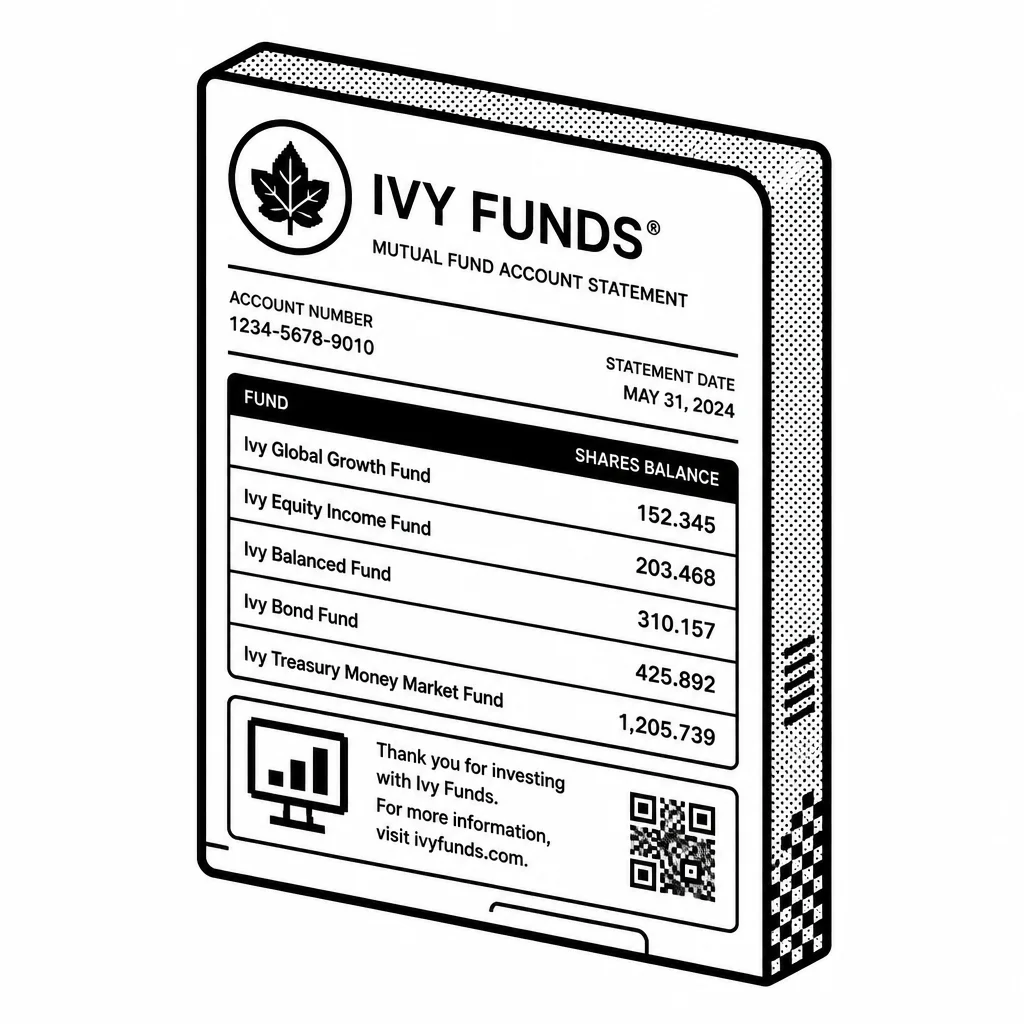
The company makes money by charging fees on the assets it manages, plus sales charges and advice fees tied to its funds and advisory services. Its Ivy Funds brand is one of the better-known fund families it built. Customers choose it for professional management and a human advisor relationship rather than doing everything themselves. Its main rivals are other fund managers and advisory firms chasing the same investor dollars. The story ends not with a bang but a merger. In 2021, Macquarie Group, an Australian financial giant, bought Waddell & Reed in a deal worth about $1.7 billion. Macquarie kept the asset management business and folded it into its own Delaware Funds operation, while the wealth management and advice side was later sold to LPL Financial LPL Financial. After the Macquarie deal closed, Waddell & Reed's shares stopped trading on the New York Stock Exchange, ending a run as a public company that began in 1998.
So the name lives on as a brand inside Macquarie's fund business rather than as a standalone public company. Its long history — founded in 1937 by Chauncey Waddell and Cameron Reed — makes it a useful reminder that plenty of familiar financial names quietly get absorbed by bigger owners.
Saved answer · last researched 20 Nov 2026
Timeline
Two Men Start Waddell & Reed
In the late 1930s, most people who wanted to buy a mutual fund had to go through a traditional brokerage or an outside agent. Chauncey Waddell and Cameron Reed saw a different path: build their own sales force and sell funds directly to ordinary investors. They set up Waddell & Reed in Kansas City as the marketing arm for a new fund company called United Funds, which started small, with barely enough money to count as serious. The idea of cutting out the middleman would define the firm for decades.
First Funds Under the New Rules
Soon after, the company launched its first two products, the Accumulative Fund and the Income Fund. What made the timing notable was a new law, the Investment Company Act, which had just set the ground rules for how funds must treat investors. Waddell & Reed was among the first to sell funds under those rules, turning a regulatory shake-up into a head start.
Continental Buys the Firm
After the founders retired, a Boston company called Continental Investment Corporation bought Waddell & Reed for a large sum. Ownership passed to Monte and Neil Wallace through that deal, so the firm changed hands without changing what it did: selling funds through its own people.
Torchmark Takes Over
A few years later, Liberty National Insurance, later renamed Torchmark, bought the company. The appeal was the whole package: the fund business, an insurance unit, and a national sales force that could sell to customers across the country. The firm was now a piece of a bigger insurance company rather than its own boss.
Waddell & Reed Goes Public
Torchmark decided to spin the company out, and Waddell & Reed finally became a public company trading on the New York Stock Exchange. Shareholders of Torchmark got shares of the new company as part of the split. After decades of being bought and sold, the firm now answered to the public markets, and the pressure to grow would only get stronger.
The Ivy Funds Arrive
Waddell & Reed bought the advisor behind the Ivy Funds and folded its own funds into the Ivy name, relaunching the family. The bigger change was how they were sold: instead of relying only on the company's own sales force, Ivy funds would be pitched to outside advisors through a new wholesaling channel. It was a bet that the firm could reach far more investors by working with the middlemen it had once bypassed.
The Flash Crash
Then came a day that put the company in every headline for the wrong reason. The stock market plunged about ten percent in minutes, and investigators later pointed to a Waddell & Reed trading program that had sold a huge batch of futures contracts without warning. The firm's algorithm was named a major factor in what became known as the Flash Crash. A company built on quiet fund sales suddenly had a reputation problem it never asked for.
A New CEO Steps In
Years of struggle and executive turnover pushed the company to change leaders, with longtime CEO Hank Hermann handing the job to Phil Sanders. The handoff was meant to steady a firm that had lost some of its footing.
Macquarie Buys the Firm
In the end, the company was sold to Macquarie Asset Management for one and a half billion dollars, but it was not kept whole. The pieces were split three ways: Macquarie took the asset management business, LPL Financial took the wealth management arm and its army of advisors, and the Ivy funds were folded into Macquarie's Delaware Funds. With that, Waddell & Reed stopped being an independent company, and its name and ticker were retired for good.