Understand any stock in simple English
Enter a ticker to learn what the company does and how it makes money.
Vietnam Payment Solutions Joint Stock Company
VNPAY runs the payment pipes that let people and businesses in Vietnam pay each other online and in stores.
VNPAY is Vietnam's biggest payment company, and it does one basic job very well: it moves money between people, businesses, and banks. If you pay for a purchase on a Vietnamese shopping app, scan a QR code at a coffee shop, or settle a bill on your phone, there is a good chance VNPAY's system is approving that payment in the background. It sits in the middle, connecting the customer, the merchant, and the banks, and takes a tiny slice of each transaction for doing so.
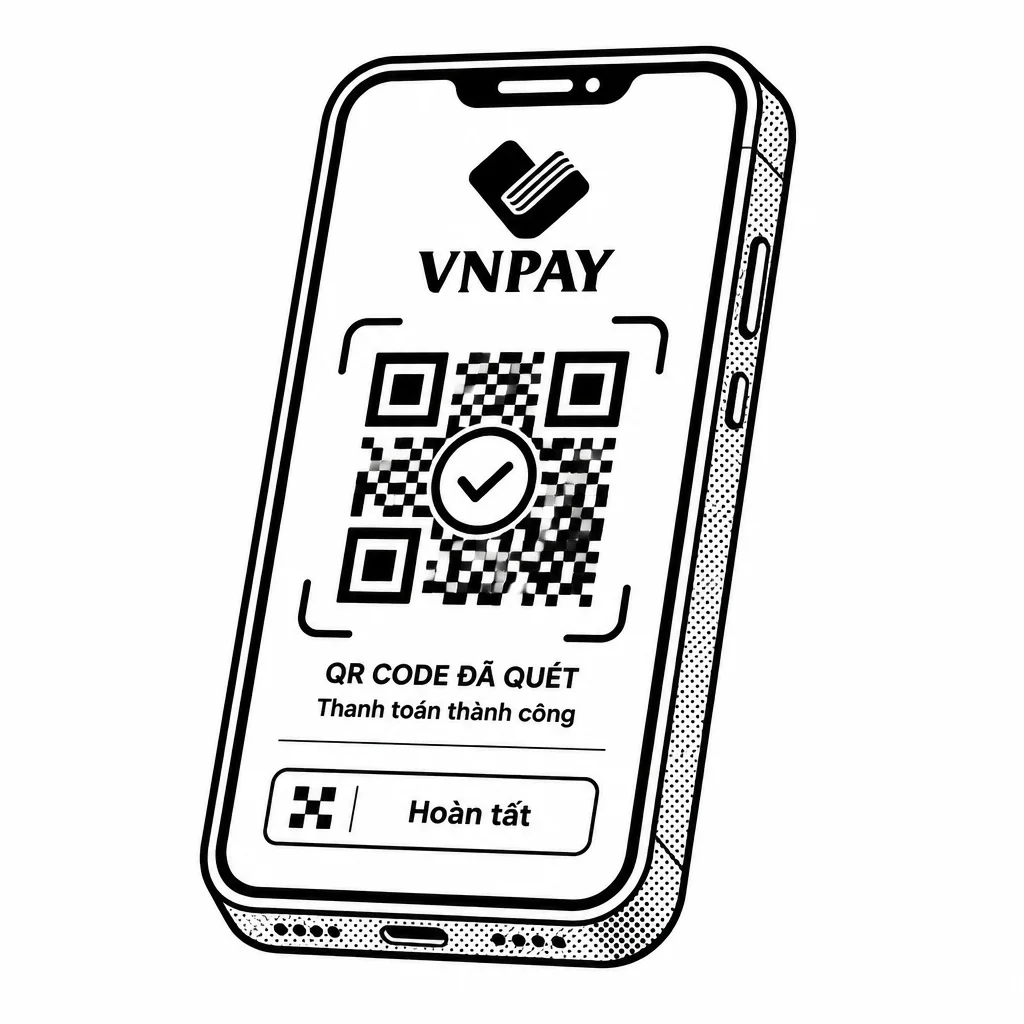
The company makes most of its money from merchant fees. When a shop accepts a payment through VNPAY's tools, VNPAY keeps a small cut of the transaction, much like Visa or Mastercard take a fraction of every card swipe. It also sells payment terminals, QR code stands, and software to merchants, and it runs a popular consumer app of its own where people can pay bills, top up phones, buy tickets, and transfer money. The consumer app matters because it keeps millions of users inside VNPAY's world, which in turn makes the company more attractive to the shops that want to accept those users' money. VNPAY's real strength is its network. The more merchants accept it and the more people use it, the more useful it becomes to both sides — a classic two-sided flywheel. It grew fast by riding Vietnam's shift from cash to digital payments, and it built partnerships with a long list of banks rather than trying to become a bank itself. That keeps it light on regulation compared with lenders, though it still depends heavily on those bank relationships and on the country's regulators, who have been tightening rules around e-wallets and payment intermediaries.
The business faces real competition. MoMo, a private Vietnamese e-wallet, is a fierce rival in consumer payments, and Sea Limited's ShopeePay and ZaloPay (linked to private Zalo) fight for the same users. Banks are also building their own payment apps. VNPAY's edge is scale and its deep merchant base, which makes it hard to dislodge, but its thin margins and the constant need to spend on promotions and technology mean the profits are not as fat as the transaction volumes suggest. It also remains a private company, funded by investors rather than public markets, so its numbers are less transparent than a listed peer's.
Saved answer · last researched 10 Nov 2026