Understand any stock in simple English
Enter a ticker to learn what the company does and how it makes money.
Vitol Group
Vitol is one of the world's largest independent energy traders, buying and selling oil, gas, and power around the globe.
Vitol is a middleman for the world's energy. It doesn't own most of the oil it handles or drill most of the wells; instead, it buys crude oil and fuels from producers and refineries, ships them across oceans in its own tankers, and sells them to the companies that actually need them — airlines, power plants, factories, and gas stations. It also trades natural gas and electricity and increasingly moves into metals and carbon credits. When a cargo of crude needs to get from a port in the Middle East to a refinery in Asia, Vitol is often the party figuring out the ship, the timing, the price, and the risk in between.
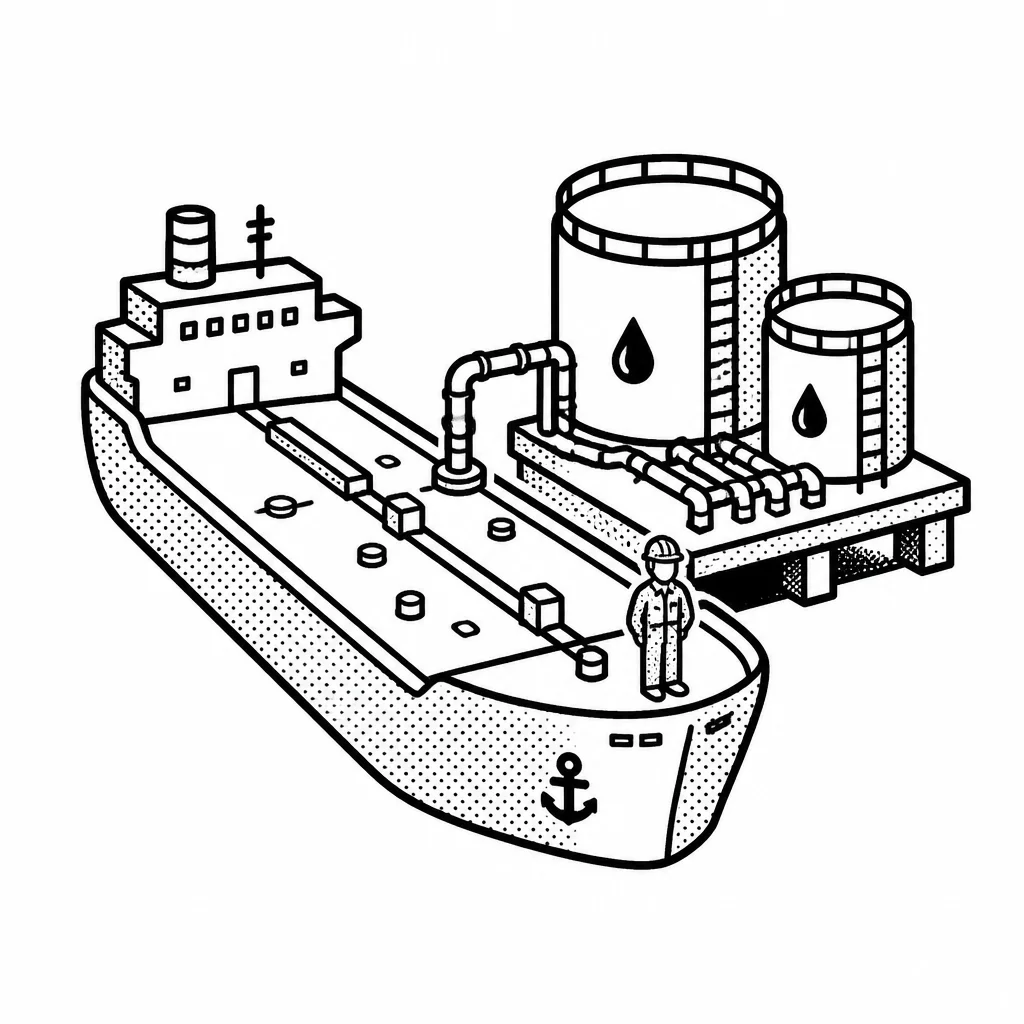
The money comes from the spread between what it pays and what it sells for, plus the value of moving fuel to where it's needed most. A cargo bought cheaply in one region and sold into a tight market elsewhere can earn a fat margin, and Vitol does this at enormous scale — millions of barrels a day. That scale and its network of ships, storage tanks, and relationships give it an edge that smaller traders can't match. Competitors include Trafigura and Glencore, both private or separately listed depending on the entity, along with the trading desks of big oil majors like Shell and BP. There's a messier side. Commodity trading is a thin-margin, high-volume game where a single bad bet or a geopolitical shock can wipe out a year's profit. Vitol has been caught up in investigations over the years — most notably a US bribery case involving officials in Brazil, Mexico, and Ecuador that led to a settlement of over $160 million in 2024. It has also faced scrutiny over how it handles the energy transition, given that its whole business is built on fossil fuels. These are real risks, not footnotes.
Vitol remains private, owned largely by its current and former employees, which means it answers to itself rather than to stock market investors. It uses its profits to expand its shipping fleet, buy storage terminals, and fund its growing power and renewables trading. The company has grown into one of the most powerful unseen forces in global energy — the kind of business that shapes what you pay at the pump without most people ever hearing its name.
Saved answer · last researched 10 Nov 2026