Understand any stock in simple English
Enter a ticker to learn what the company does and how it makes money.
Varner-Gruppen AS
Varner is a Norwegian fashion group that owns a family of clothing brands and store chains selling affordable everyday clothes across the Nordic region and beyond.
Varner is a Norwegian clothing giant that most people in Scandinavia have probably shopped at without ever noticing the name above the door. The company owns a family of fashion brands and store chains — names like Dressmann, Cubus, Bik Bok, Carlings, and Volt — that sell affordable everyday clothing to ordinary people. Instead of being one single store, Varner is a collection of stores, each aimed at a slightly different customer.
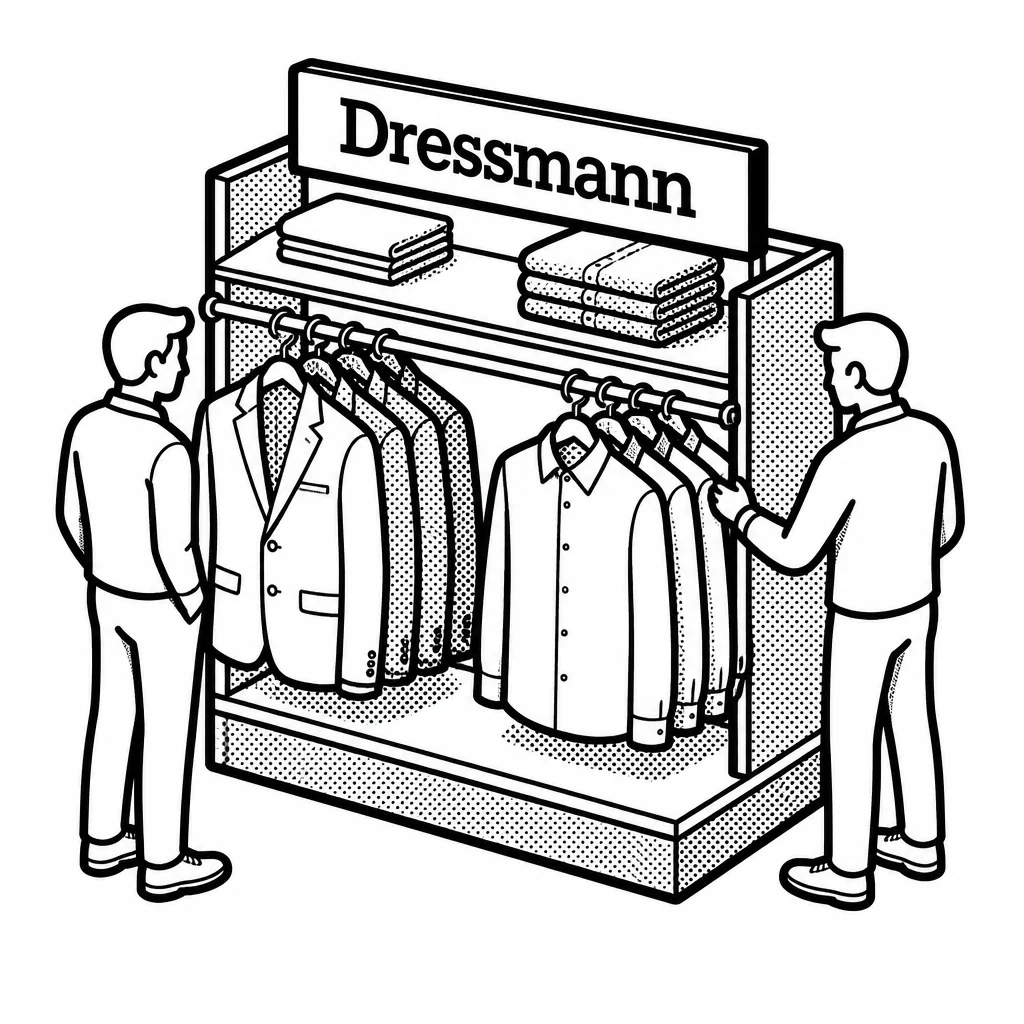
The business is a straightforward retail story. Varner designs, buys, and sells clothes through its own chains, which means it controls the look of the product and the shelf it sits on. It earns money from the markup between what it pays to make or source the garments and what shoppers pay in its stores and online. Customers choose these chains because the clothes are cheap, the stores are everywhere in shopping centres and high streets, and the brands are familiar. Different chains do different jobs. Dressmann is the men's basics and suits chain, Cubus is a broad family and women's fashion brand, and Bik Bok and Carlings chase younger shoppers. Owning several chains lets Varner cover a wide span of shoppers without them all competing for the same exact customer. The group has also expanded beyond Norway into neighbouring countries like Sweden, Denmark, and Finland, and run parts of the business through franchise partners in some markets.
Varner is a private, family-controlled company, which shapes how it behaves. The Hagen family built it from a small Oslo clothing business and still sits at the top, so the company can think in decades rather than quarters. That has let it absorb the brutal shifts in clothing retail — the rise of online shopping and low-cost giants like H&M and Inditex, the owner of Zara. The pressure is real: fast fashion and e-commerce have squeezed mid-priced chains everywhere, and Varner has had to close stores and invest in online sales to keep up. It answers to no stock market, so its money goes back into stores, brands, and the long game rather than dividends to public shareholders.
Saved answer · last researched 10 Nov 2026