Understand any stock in simple English
Enter a ticker to learn what the company does and how it makes money.
Trafigura Group Pte Ltd
Trafigura is one of the world's biggest commodity trading houses, buying and selling oil, metals, and gas and moving them around the globe.
Trafigura is a middleman on a gigantic scale. It buys physical commodities — mostly oil and refined fuels, plus metals like copper and aluminum, and increasingly natural gas — from producers, and sells them to the refineries, factories, and utilities that actually use them. It doesn't own many mines or oil wells itself; instead it owns the ships, storage tanks, and ports that let it move stuff from where it's cheap to where it's needed.
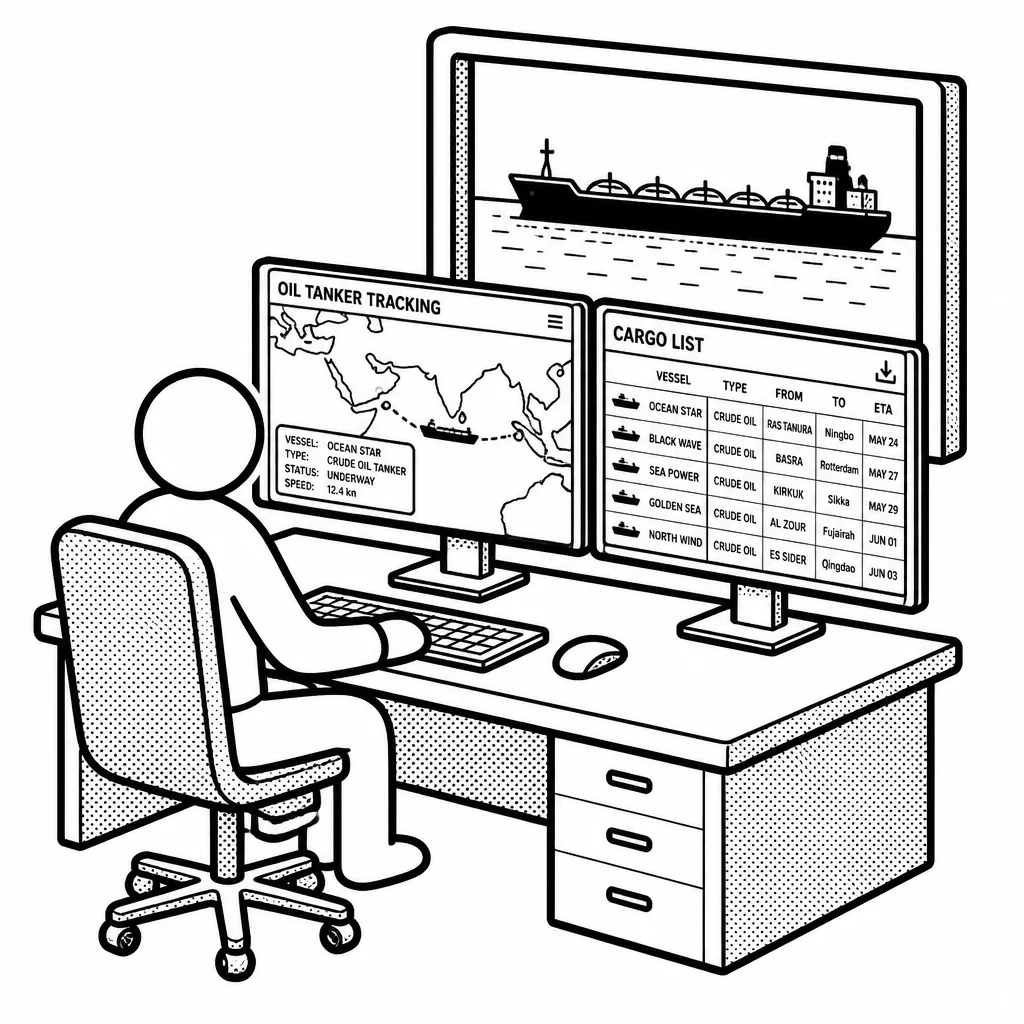
The reason producers and buyers pay Trafigura is that commodities are messy and slow. A refinery in Asia might need a specific grade of crude every week, but the seller is a national oil company on the other side of the world with a giant one-off cargo and no interest in your small order. Trafigura buys the big cargo, splits it up, finds the ships, arranges the letters of credit, and takes the risk that prices move while the cargo is at sea. It earns its money on the spread between what it pays and what it sells for — a few dollars a ton or cents a barrel — multiplied across enormous volumes. The company handles hundreds of billions of dollars of revenue a year on very thin margins, and it makes real money when markets are chaotic and dislocated. Trafigura is based in Singapore but was founded in 1993 by a group of traders who had left a rival house. The founder most associated with it, Claude Dauphin, died in 2015. The company is private — its shares are owned largely by its own employees and a few outside investors — so it doesn't have a ticker. Its big listed rivals are Glencore, Vitol, and Cargill — actually Vitol and Cargill are private too, so drop that line; the real listed competitors include Glencore and Mercuria (also private). Let me just say: Glencore is the closest listed rival, and Trafigura competes with a handful of private trading houses like Vitol and Mercuria.
Trafigura has had legal scrapes — it paid a $127 million fine in 2024 after pleading guilty in a U.S. court to bribery charges over its Brazil operations, a serious reputational blow. It has also pushed hard into liquified natural gas and is investing in clean energy projects like hydrogen and green ammonia through its power division, though oil and metals still dominate. Because it's private and employee-owned, it doesn't pay dividends or buy back shares in any public way; it mostly reinvests profits and buys out departing employees' shares.
Saved answer · last researched 10 Nov 2026