Understand any stock in simple English
Enter a ticker to learn what the company does and how it makes money.
Royal Swinkels Family Brewers Holding N.V.
Swinkels Family Brewers is a Dutch family-owned brewer that makes and sells beer and other drinks, including its well-known Bavaria brand.
Swinkels Family Brewers is a Dutch brewer that makes beer and other drinks, and it is still run by the same family that started it. Its best-known brand is Bavaria, a pale lager sold in supermarkets and bars across the Netherlands and exported around the world. The company also owns a spread of other beer brands and a growing line of non-alcoholic drinks, so it can serve people who want a classic pilsner and people who want something without alcohol.
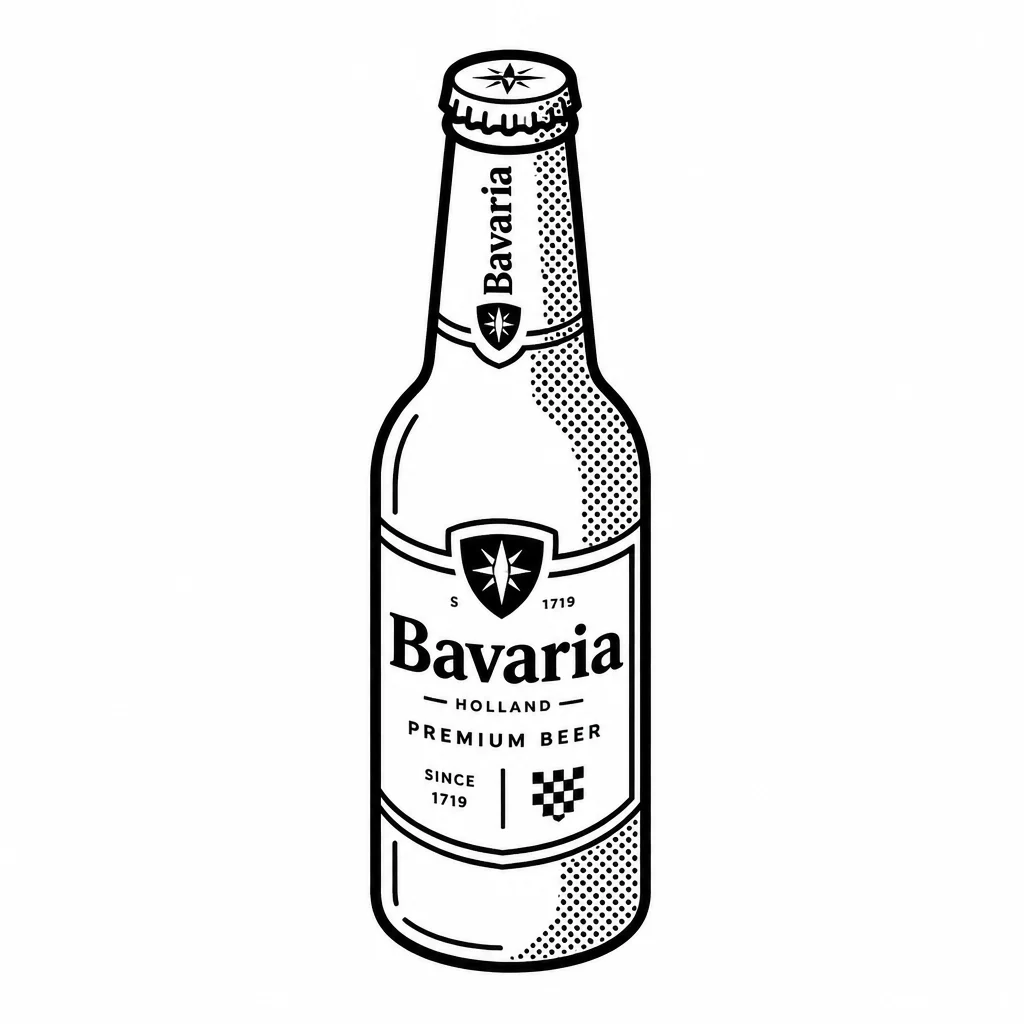
The business earns money by brewing drinks and selling them to supermarkets, bars, restaurants, and distributors. Bavaria is the engine: it is one of the biggest beer brands in the Netherlands and a familiar name in many export markets. The family also built a large business supplying private-label beer — brewing store-brand beer that supermarkets sell under their own names — which keeps its breweries busy and spreads costs across huge volumes. That mix matters, because selling your own brand earns a better margin per bottle, while contract brewing fills capacity and pays the bills. Swinkels is unusual among big brewers because it stayed independent and family-controlled while rivals consolidated. Global giants like Heineken and Anheuser-Busch InBev dominate the mass market, and smaller craft brewers nibble at the edges, so Swinkels competes by owning strong local brands, keeping costs lean, and staying close to its home market. The company has also pushed into non-alcoholic beer, a fast-growing category where Bavaria was an early mover — a smart bet as drinking habits shift.
It is a private company, so it does not trade on a stock exchange and does not report quarterly numbers like a public rival. That gives the family freedom to think in decades rather than quarters, reinvest profits into breweries and brands, and avoid the pressure of short-term shareholders. The trade-off is less transparency and less access to public capital, so growth tends to come from its own cash flow and careful borrowing rather than big share sales.
Saved answer · last researched 10 Nov 2026