Understand any stock in simple English
Enter a ticker to learn what the company does and how it makes money.
Skechers U.S.A., Inc.
Skechers designs and sells everyday shoes and sneakers for men, women, and kids, making money by selling them through its own stores, its website, and other retailers around the world.
Skechers is a shoe company. It designs sneakers, walking shoes, work shoes, and sandals for men, women, and children, then sells them at prices well below what you'd pay for a pair of Nikes. That price gap is the whole idea: stylish-enough shoes that feel comfortable, without the premium-brand markup.
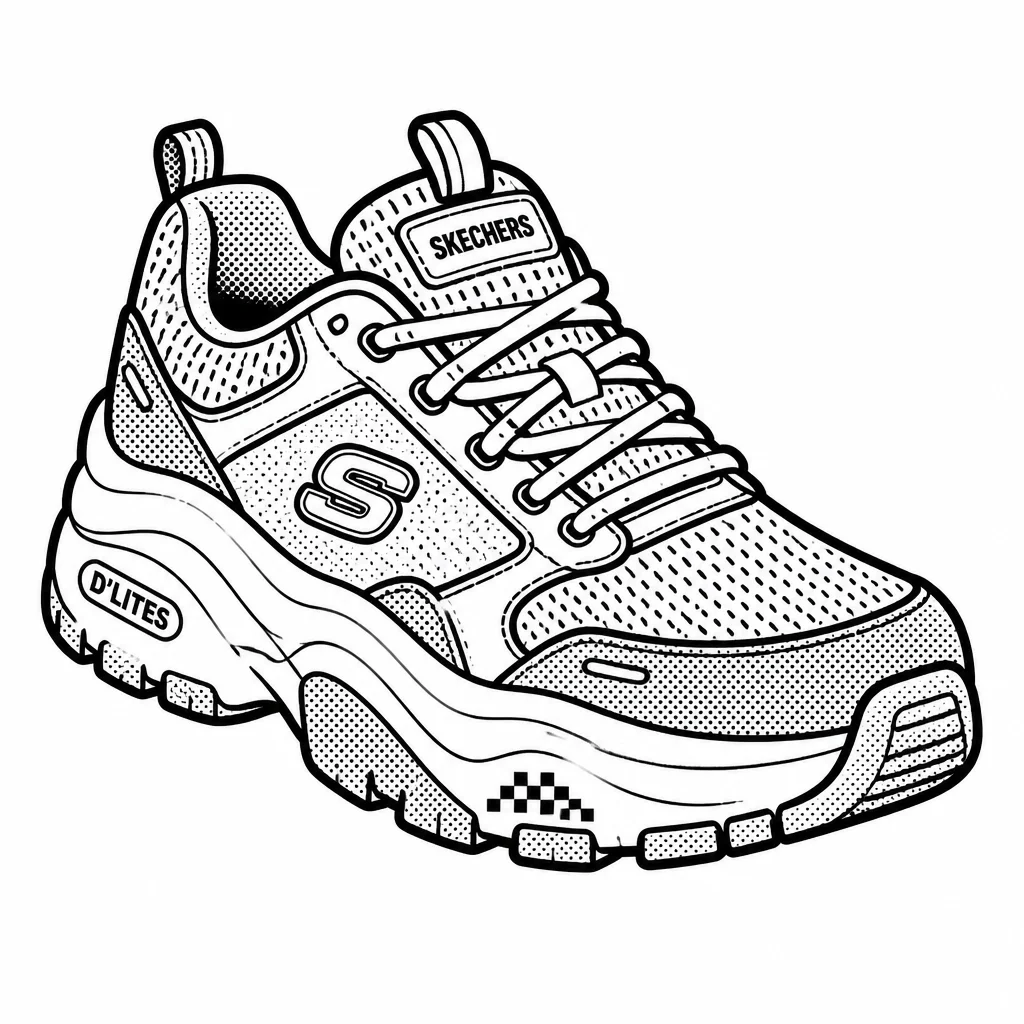
It makes money in two ways. It runs thousands of its own stores and sells directly through its website, where it keeps more of each sale. It also wholesales to department stores, shoe chains, and partners abroad, who stock Skechers on their shelves. Customers choose it because the shoes are comfortable and cheap relative to big sportswear brands; the company's growth has come largely from taking shelf space from those rivals in the everyday-shoe market rather than from sponsoring superstar athletes. The big recent news is ownership. Skechers spent decades as a public company, but in 2025 it agreed to be bought by 3G Capital, the Brazilian-American investment firm known for cutting costs at acquired companies, in a deal worth roughly $9.4 billion. Shareholders approved it, and the company stopped trading on the New York Stock Exchange. So Skechers is now privately owned by 3G Capital rather than being a listed stock.
What makes Skechers interesting is its scale and its vulnerability. It sells in over 180 countries and books billions in annual revenue, yet it competes in a crowded middle market where Nike and Adidas own the top and cheap no-name brands own the bottom. Its edge is efficiency and distribution reach, not brand prestige. That's also the risk: a cost-cutting owner like 3G will push hard on margins, and shoppers who buy on price can always switch.
Saved answer · last researched 16 Nov 2026