Understand any stock in simple English
Enter a ticker to learn what the company does and how it makes money.
Selcom Paytech Limited
Selcom runs the payment pipes that let people and businesses in Tanzania send and receive money digitally, from mobile wallets to bank cards to government bills.
Selcom is Tanzania's biggest homegrown payments company. It doesn't lend money or hold your savings. Instead it connects the many pieces that need to talk to each other when money moves: mobile phone wallets, banks, card networks, merchants, and government systems. When you pay a bill on your phone, buy airtime, tap a card in a shop, or send cash across networks, Selcom's technology is often the quiet middleman approving the transaction and taking a small slice of each one.
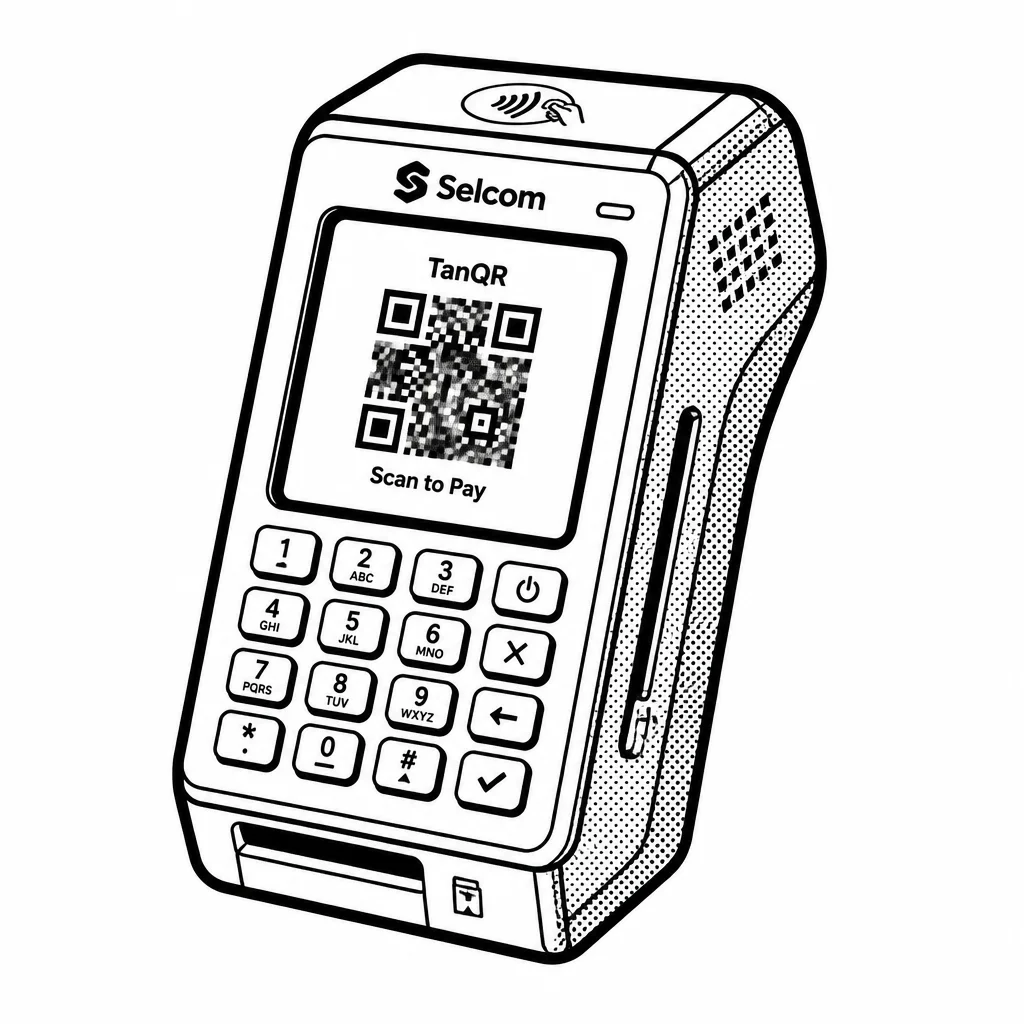
The business rests on a few core products. Its payment gateway lets online shops and apps accept money from mobile wallets and cards. Its collection service, sometimes called Selcom Pay, lets schools, utilities, and government agencies collect fees and bills from customers through many channels at once. And its mobile money integration connects businesses directly to networks like Vodacom's M-Pesa, Airtel Africa's Airtel Money, and Millicom's Tigo Pesa. On top of that, Selcom runs a large agent network — the small kiosks and shops where people deposit and withdraw cash — including servicing agents for banks and telecoms. Who pays Selcom? Merchants, banks, telecoms, government bodies, and fintechs pay fees per transaction or per integration, and they choose Selcom because it already speaks to every major network and reaches customers in places where formal banking is thin. The company has grown alongside Tanzania's mobile money boom, where wallets have done far more heavy lifting than traditional bank accounts. Regulators have steadily tightened rules on payments, agent banking, and anti-money-laundering, which raises the bar for smaller players and tends to favor established, licensed operators like Selcom. Competition is real, though: banks push their own payment rails, telecoms guard their wallet ecosystems jealously, and regional fintechs keep entering. Selcom's defense is breadth — the widest set of connections plus a physical agent footprint that's expensive to copy.
Selcom has also pushed into new territory, including cross-border remittances and services for the diaspora sending money home, and it has partnerships with international payments players looking for a Tanzanian foothold. It is a private company, so its finances aren't public the way a listed firm's are, and ownership has shifted over the years among investors betting on African digital payments. The simple version of the bet: as more Tanzanians move money digitally, the toll collector sitting in the middle of every network stands to earn a little on every trip.
Saved answer · last researched 10 Nov 2026