Understand any stock in simple English
Enter a ticker to learn what the company does and how it makes money.
Rebellions Inc.
Rebellions designs AI chips and related hardware for companies that need to run artificial intelligence workloads efficiently.
Rebellions is a South Korean startup that designs specialized computer chips for artificial intelligence. Its chips, called AI accelerators or NPUs (neural processing units), are built to run AI models faster and more efficiently than general-purpose chips. The company sells these chips and the software that goes with them to data centers, cloud providers, and companies that train or run AI models.
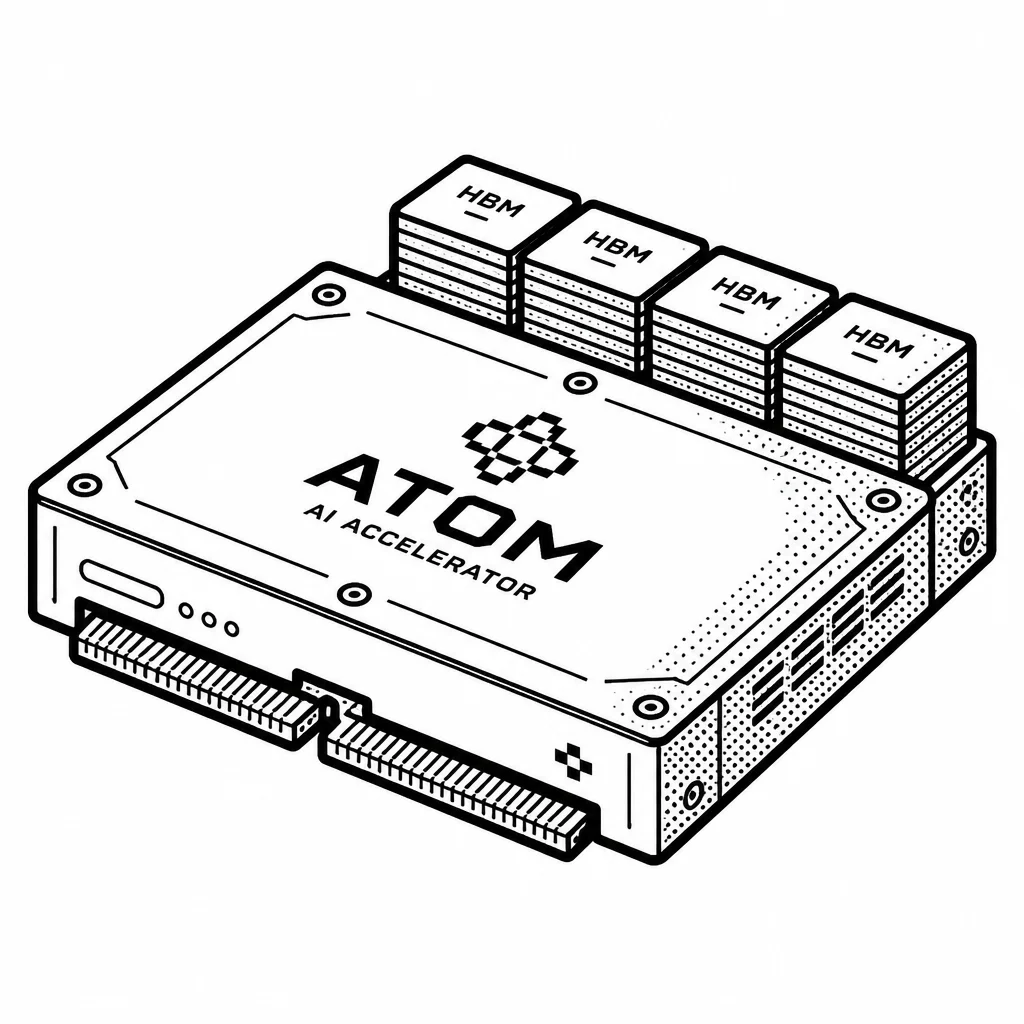
The core problem Rebellions is solving is simple: AI models are hungry for computing power, and the chips that traditionally do that work are expensive and in short supply. Rebellions designs chips specifically for AI tasks, which can make them more power-efficient and cheaper to operate than buying general-purpose graphics chips. Its flagship chip, called ATOM, is aimed at running AI inference — the work of actually using a trained AI model, not just training it. Inference is becoming a huge market because every AI chatbot query, recommendation, and image recognition task needs it. Rebellions was founded in 2020 by a group of engineers, and it has attracted significant investment from Korean and global backers. In 2024, it merged with another Korean AI chip startup, Sapeon, which was spun out of telecom giant SK Telecom SK Telecom. The combined company is positioning itself as Korea's answer to Nvidia, the dominant player in AI chips. That is a tall order — Nvidia controls most of the market — but Rebellions is betting that a nimble, focused chip designer can win customers who want alternatives. The company's customers are mostly in Korea and Asia, including data center operators and cloud companies. It has also partnered with Arm and other chip technology firms. Rebellions does not manufacture its own chips; it designs them and relies on outside factories, likely Samsung Samsung Electronics or TSMC TSMC, to build them. That keeps capital costs lower than owning a factory, but it also means Rebellions depends on those foundries for supply.
Rebellions is still a private company, not publicly traded, and it is in a race with well-funded competitors like Nvidia, AMD, and other AI chip startups. The big question is whether it can win enough customers before the giants crush it on price or performance. For now, it is one of the more credible challengers in a market that everyone suddenly cares about.
Saved answer · last researched 10 Nov 2026