Understand any stock in simple English
Enter a ticker to learn what the company does and how it makes money.
PayMongo Inc.
PayMongo is a Filipino payments company that helps businesses accept online payments like cards, e-wallets, and bank transfers through a single, easy connection.
PayMongo is the plumbing that lets businesses in the Philippines take money online. If you run a small shop, an online store, or a growing startup and want to accept payment through a credit card, GCash, Maya, or a bank transfer, PayMongo gives you one simple connection that handles all of them. Instead of signing separate deals with each bank and each wallet provider, a merchant plugs into PayMongo and gets the whole menu at once.
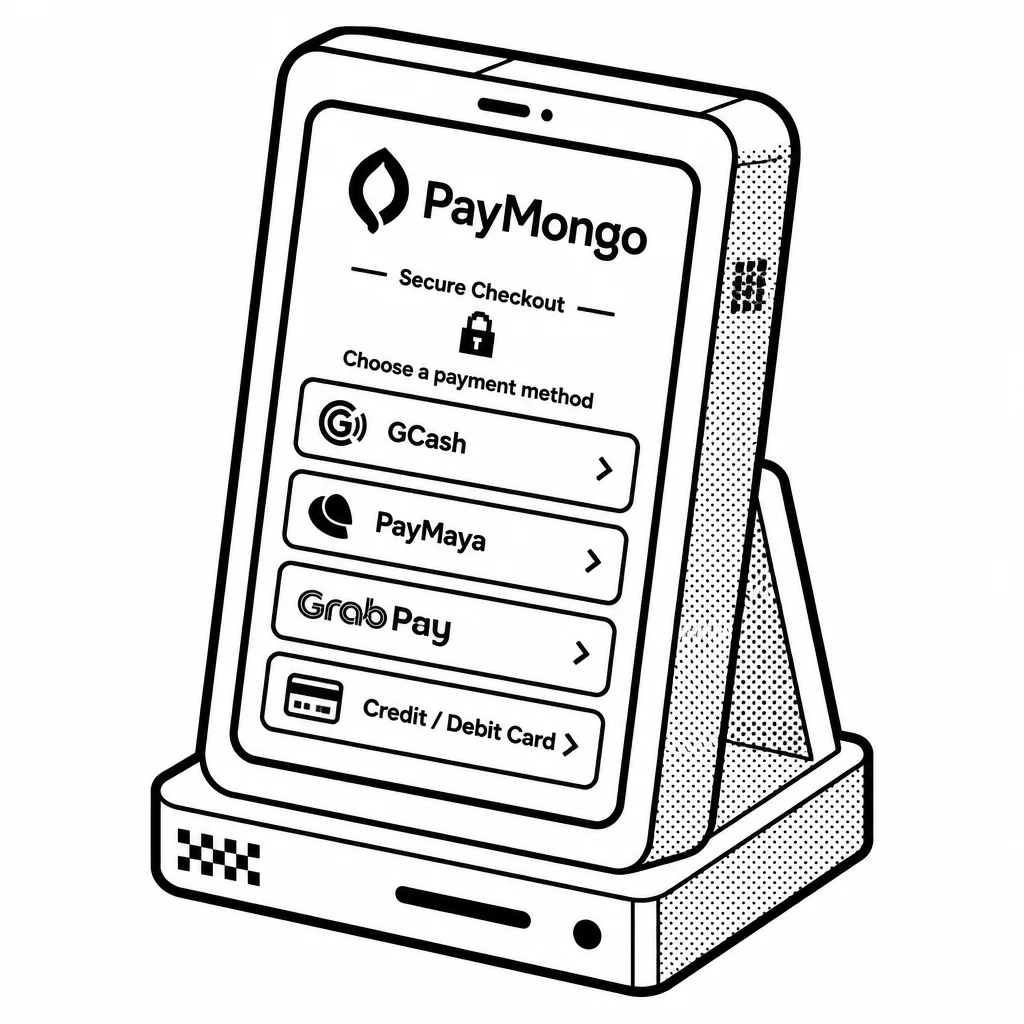
The company makes its money by taking a small cut of each transaction that flows through its system, plus fees on some extra tools. The people who pay are the merchants — the sellers — who happily trade a thin slice of each sale for the convenience of not building payment infrastructure themselves. For a small business in Manila, that trade is obvious: wiring up cards and e-wallets directly is slow and painful, and PayMongo does it in an afternoon. Its main competition comes from traditional payment gateways and from the banks and wallet providers themselves, but PayMongo's pitch is developer-friendly tools and speed. PayMongo was founded in 2019 by a young team — Francis Plaza, Edwin Lacierda, and Jaime Hing — and it rode the pandemic-era boom in online selling in the Philippines. It raised venture money from investors including Y Combinator and later global funds, and it has expanded beyond plain payment acceptance into tools like invoicing, payment links, and disbursements that let businesses pay out money too. That matters because the Philippines is a cash-heavy economy where a huge share of people still don't use cards, so making e-wallets and bank transfers easy to accept is the real prize.
The honest catch is that this is a thin-margin, crowded business. PayMongo's slice of each transaction is small, and it competes against deep-pocketed banks, the wallet giants, and regional players, so scale is everything. It also depends on regulation and on the rails run by others — the card networks and wallet operators — which it doesn't control. Still, for a merchant who just wants to get paid, PayMongo is often the fastest path from "I want to sell online" to "money is in my account."
Saved answer · last researched 10 Nov 2026