Understand any stock in simple English
Enter a ticker to learn what the company does and how it makes money.
PayClip, Inc.
Clip sells card readers and payment software that help small businesses in Mexico accept payments and manage their money.
Clip is a Mexican payments company that gives small businesses a simple way to accept cards and get paid. Picture the corner taqueria, the neighborhood dentist, or a market stall: for years, most of these places ran on cash because getting a card terminal from a bank was slow, expensive, and buried in paperwork. Clip's little blue card reader changes that. A business owner signs up, plugs in the device, and starts taking debit and credit cards, often within a day.
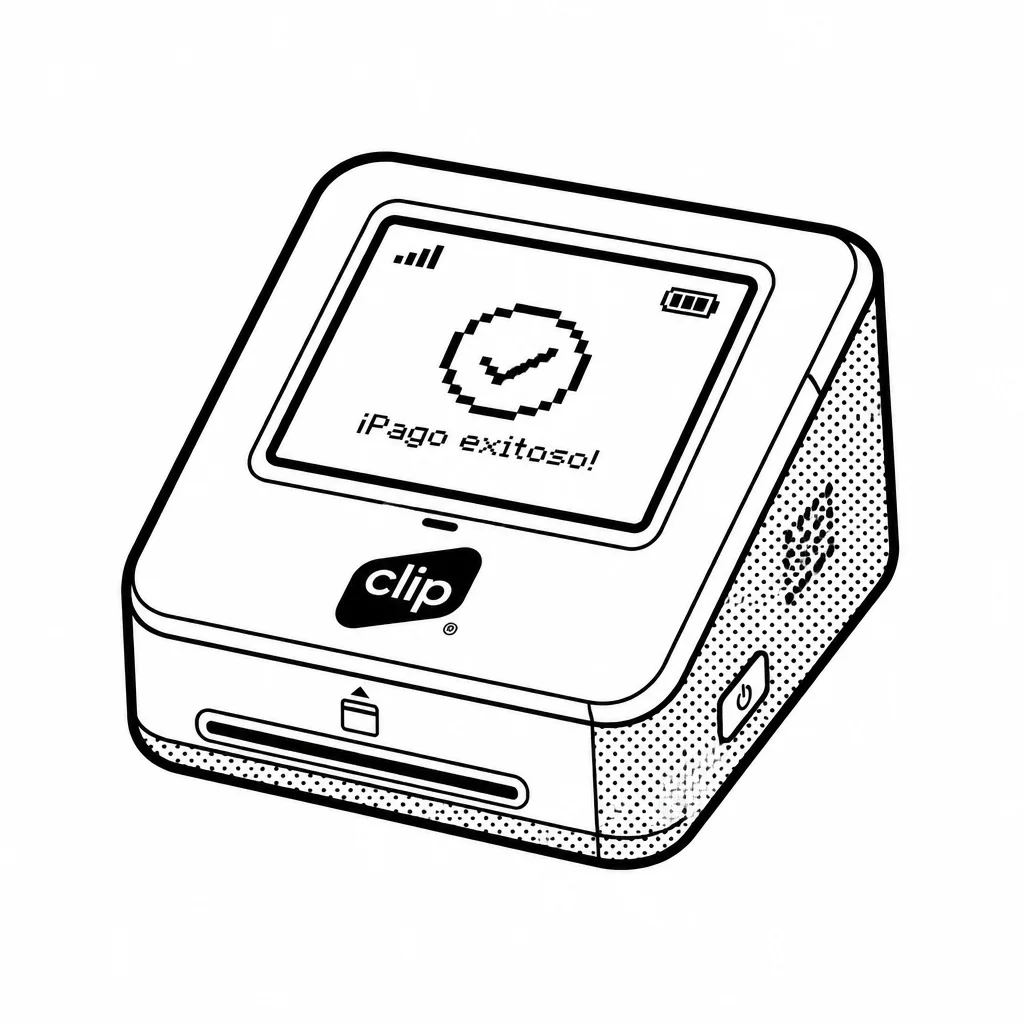
The company makes money in a few connected ways. It charges merchants a small fee on each card payment it processes, and it sells or rents the card readers themselves. On top of that, Clip offers software and financial services — things like a business account, loans, and tools to track sales and send invoices — so a merchant can run more of their money life through Clip instead of juggling a bank, a notebook, and a card machine. The appeal is speed and simplicity: Clip built its sales force to go out and sign up merchants face to face, which matters in a country where many small businesses don't trust or can't easily access traditional banks. The competitive ground is crowded. Big banks and payment processors chase the same merchants, and rivals like StoneCo and global players such as Block (with its Square readers) compete for small-business payments in Latin America. What sets Clip apart is its focus on Mexico, its hands-on merchant acquisition, and its push to become more than a card reader — a full financial toolkit for the businesses that have historically been underserved by banks.
Founded in 2012, Clip grew into one of Mexico's best-known fintech startups, backed by major investors and reaching a scale where it processes a large volume of payments for hundreds of thousands of merchants. It has expanded from card acceptance into lending and business banking software, betting that the merchant relationship — and the sales data that comes with it — is the real prize. The company is privately held, so its shares don't trade on a public exchange, but it remains one of the most closely watched fintechs in Latin America.
Saved answer · last researched 10 Nov 2026