Understand any stock in simple English
Enter a ticker to learn what the company does and how it makes money.
Papara Elektronik Para A.Ş.
Papara is a Turkish fintech app that gives people a prepaid card and a fast way to send, receive, and spend money.
Papara is Türkiye's biggest fintech app, a kind of digital wallet that young Turks use to hold money, send it to friends, and pay for things online and in stores. You sign up with your phone in minutes, you get a prepaid card you can top up at thousands of corner shops, and you can fire money to another Papara user almost instantly. It also sells things most banks bury behind paperwork: virtual cards for online shopping, bill payments, and simple investment products. For millions of people who find traditional banks slow or expensive, it feels like a bank that lives on your phone.
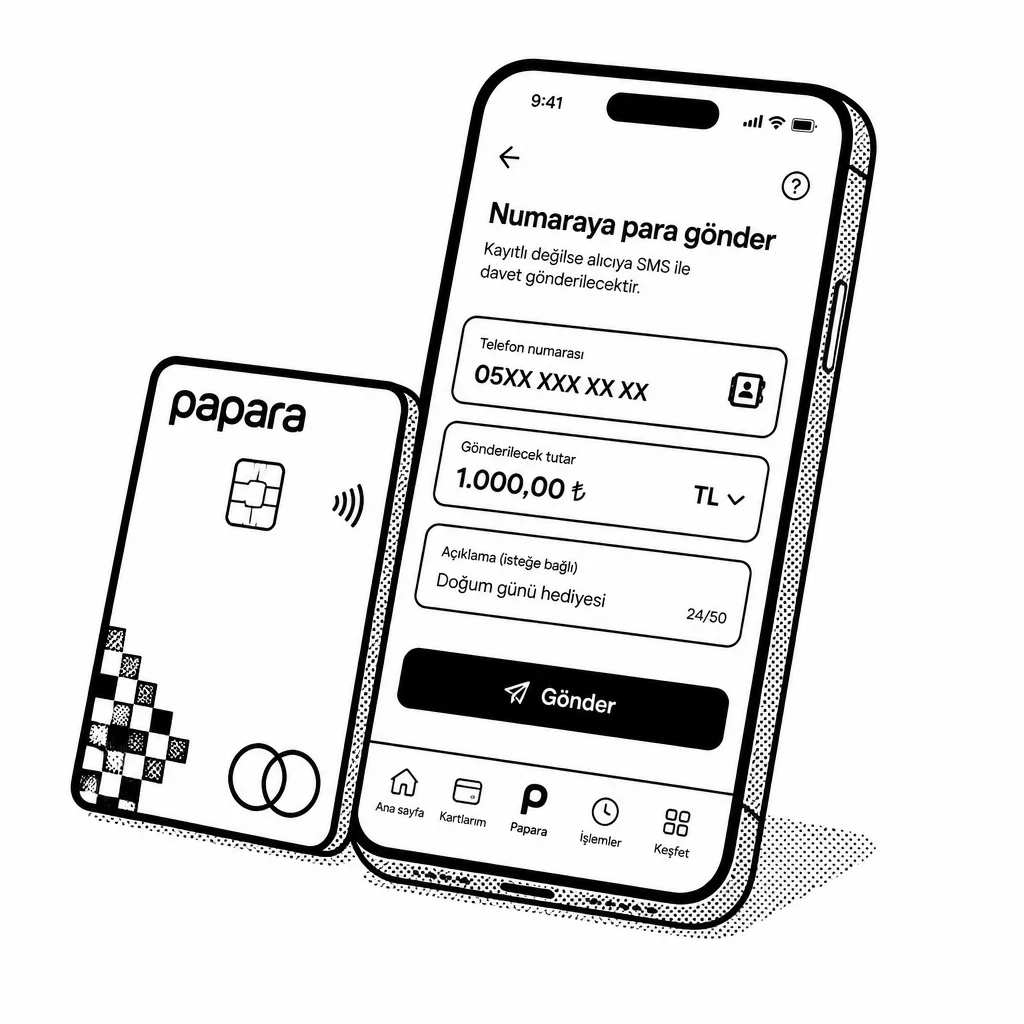
The money side is refreshingly blunt. Papara earns from the card payments it processes, taking a slice of the fee when you swipe a Papara card. It also makes money from subscriptions for premium features and from the small margins on the services it sells inside the app. It does not charge you to open an account, because the whole point is to get as many people using the wallet and the card as possible. Founded in 2016 by Ahmed Karslı and backed by the Turkish conglomerate Re-Pie, Papara grew fast by targeting a group the banks often ignore: students, gamers, and freelancers. Turkey's inflation crisis made cash management harder for everyone, and a cheap, fast card and wallet became genuinely useful. The company claims tens of millions of registered users, which would make it one of the largest fintechs in the country by user count.
The big risk is regulation. Turkey's central bank and financial regulators have cracked down on crypto and payment firms, and Papara's growth depends on staying on the right side of rules that can change quickly. The bigger vulnerability is trust: a wallet only works if people believe their money is safe, and fintechs like Papara don't have the deposit insurance and decades of history that a large bank does. Even so, if it keeps Turkish consumers moving money through its app instead of a bank branch, the payment fees alone can add up to a serious business.
Saved answer · last researched 10 Nov 2026