Understand any stock in simple English
Enter a ticker to learn what the company does and how it makes money.
Osstem Implant Co., Ltd.
Osstem Implant makes dental implants and the tools and training that dentists around the world need to place them.
Osstem Implant is a South Korean company that makes the small metal screws dentists put into a patient's jawbone to hold a fake tooth. Those screws, called dental implants, come with the surgical drills, guides, and other kits a dentist needs to place them, and Osstem sells the whole package to dental clinics. It also runs training programs that teach dentists how to do implant surgery, which matters because the procedure is fiddly and many dentists learn it after they finish school.
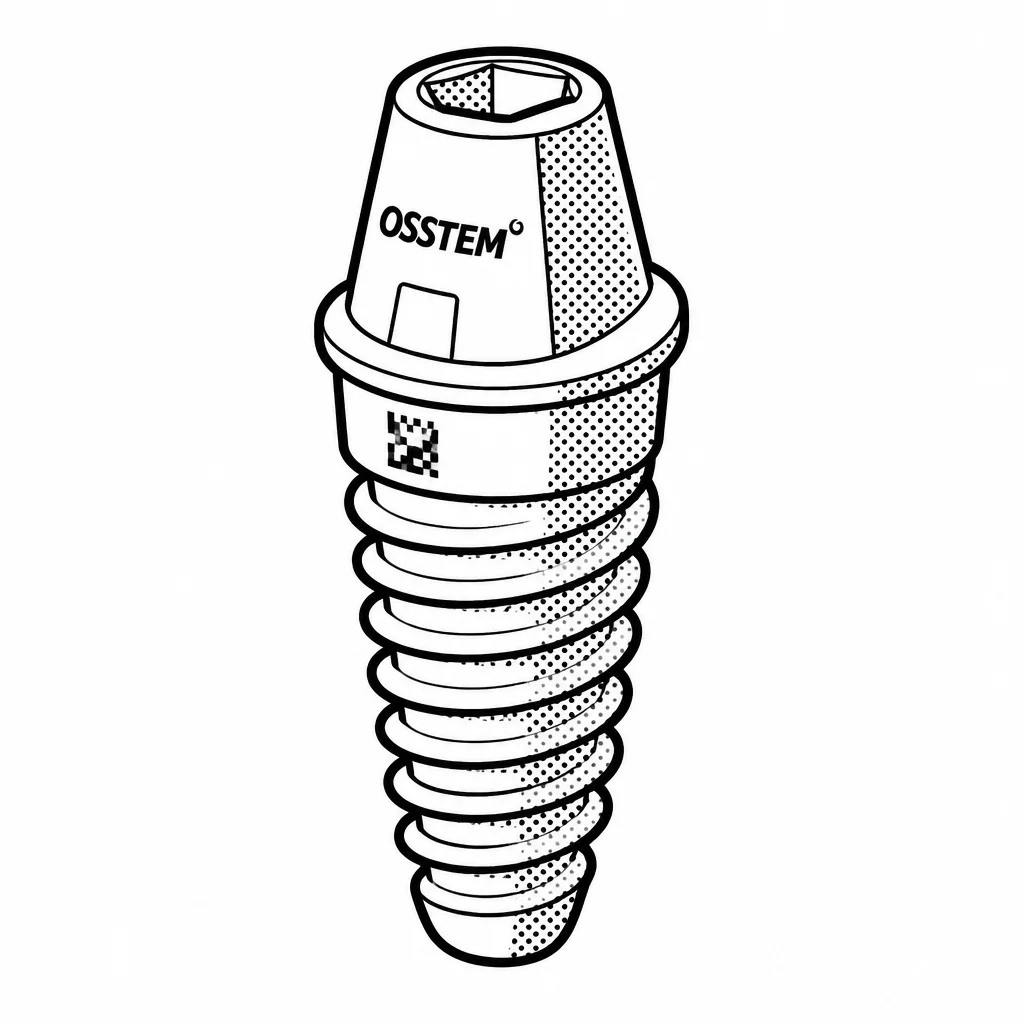
The business works like this: a clinic buys the implant and the matching tools from Osstem, and then keeps coming back for more as it does more surgeries. Dental implants are a good recurring business because each patient needs several pieces, and dentists tend to stick with a brand once they have learned its system and stocked its parts. Osstem built its name by selling affordable implants with heavy training support, first across South Korea and then abroad, and it now earns most of its money outside its home country, especially in China, Europe, and the Americas. Its main competitors are the big Western implant makers, including Straumann Group, Danaher through its Nobel Biocare brand, and Envista Holdings, which owns the implant brands Zimmer and Dentsply Sirona's old implant line. Osstem's edge has been price and hand-holding: a dentist in a fast-growing market can get a reliable implant and learn how to use it without paying premium European prices. That has made it one of the largest implant sellers in the world by volume, even though its brand is less famous in rich Western markets.
The shares used to trade on the KOSDAQ under the ticker 048260, but Osstem is now a private company. A consortium led by the private equity firm MBK Partners and Uncle Jim's, an investment vehicle tied to Osstem's founder and former chairman, took control in a deal completed in 2024, and the stock was delisted from the KOSDAQ that year. So today there is no public shareholder to buy in; the company answers to its private owners, who are betting that the global shift toward implant dentistry, especially in emerging markets, keeps the screws and the training flowing.
Saved answer · last researched 16 Nov 2026