Understand any stock in simple English
Enter a ticker to learn what the company does and how it makes money.
Straumann Holding AG
Straumann makes dental implants, braces, clear aligners, and the digital tools dentists use to replace and straighten teeth.
Straumann makes the parts that go inside your mouth when a tooth goes missing. A dentist drills a small titanium screw into the jawbone, and that screw becomes the root of a fake tooth. Straumann sells those screws, plus the drills, tools, healing parts, and the crown that sits on top. It's the world's biggest maker of dental implants, and it also sells the machines and software that help a dentist scan a mouth and mill a custom crown in the office instead of sending it to a lab.
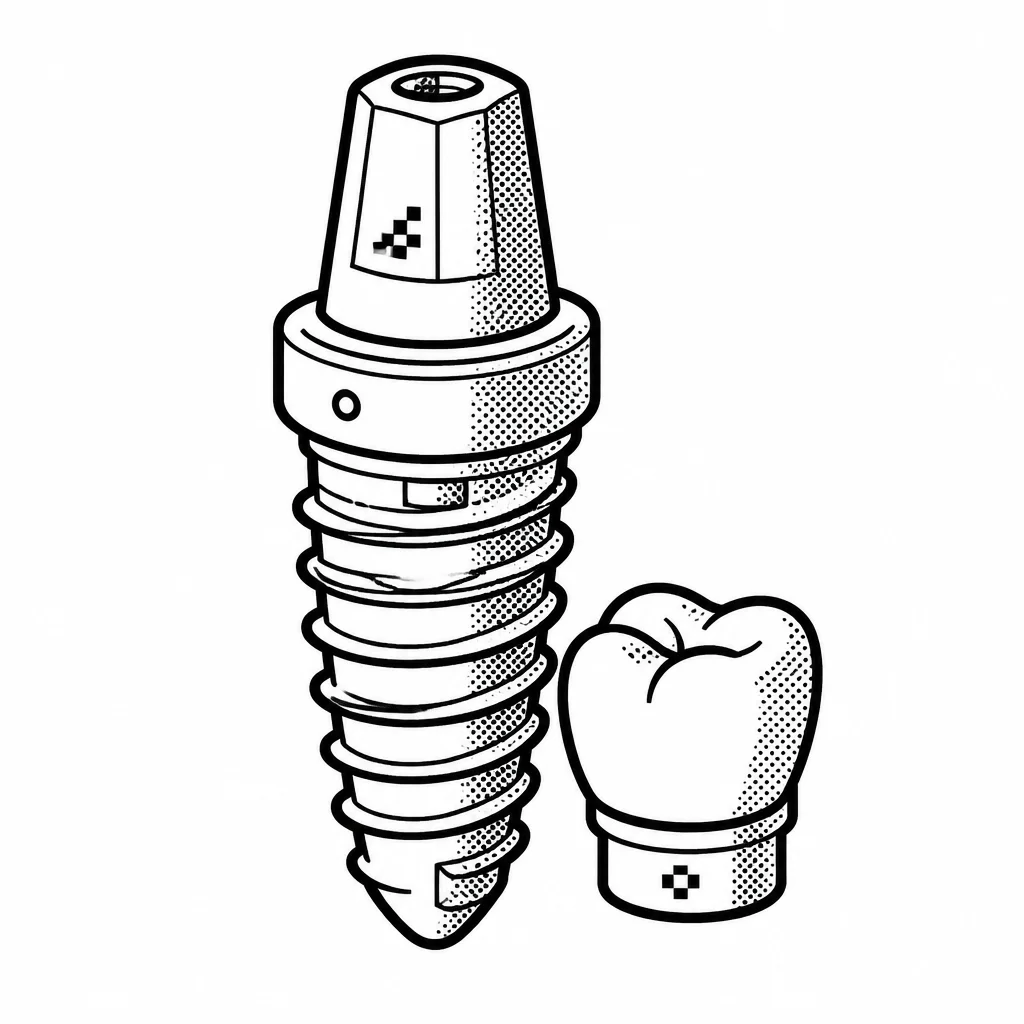
The company has two big engines. One is implants and the hardware that goes with them — the classic "tooth replacement" business sold to oral surgeons and specialist dentists. The other is orthodontics: braces and clear aligners, the plastic trays that straighten teeth invisibly. That second business came largely from buying a company called ClearCorrect. Straumann also sells biomaterials, which are the bone-graft powders and membranes used when a jaw needs rebuilding before an implant can go in. Who pays? Mostly dentists and clinics, not patients directly. The dentist buys the implant and tools and bills the patient or their insurer. That makes Straumann a picks-and-shovels business: it doesn't care whether you need one implant or ten, it just sells the hardware either way. Customers stick with it because switching implant systems is a hassle — the tools, training, and know-how are all built around one brand — and because a failed implant is a lawsuit, so dentists pay up for a name they trust. Rivals include Dentsply Sirona and Envista, plus a long tail of cheaper implant makers.
The business is very profitable, and Straumann spends a lot of that cash on buying smaller companies to widen what it can sell to the same dentist — clear aligners, digital scanners, software. The bet is that a dentist who already trusts you for implants will also buy your braces and your 3D printer. The weak spot is that implants are elective: in a bad economy or a pandemic, people put off fixing a missing tooth, and sales stall. Growth also depends on emerging markets where more people can suddenly afford dental care. It's a steady, high-margin business that rides on something very human: nobody wants a gap in their smile.
Saved answer · last researched 16 Nov 2026