Understand any stock in simple English
Enter a ticker to learn what the company does and how it makes money.
Mukuru Africa (Pty) Ltd
Mukuru is a money-transfer company that lets people in Africa send and receive cash across borders and pay bills, mostly through a huge network of physical booths and agents.
Mukuru is a money-transfer business built for people who send cash home. If you are a migrant worker in South Africa and you want to get money to your family in Zimbabwe, Malawi, or Mozambique, Mukuru gives you a way to do it — often by walking into a bright orange booth, handing over cash, and having your relatives pick up the money on the other side. The company also lets customers pay bills, buy groceries and airtime, and receive money, and it now offers a wallet app for people who prefer to do it on a phone.
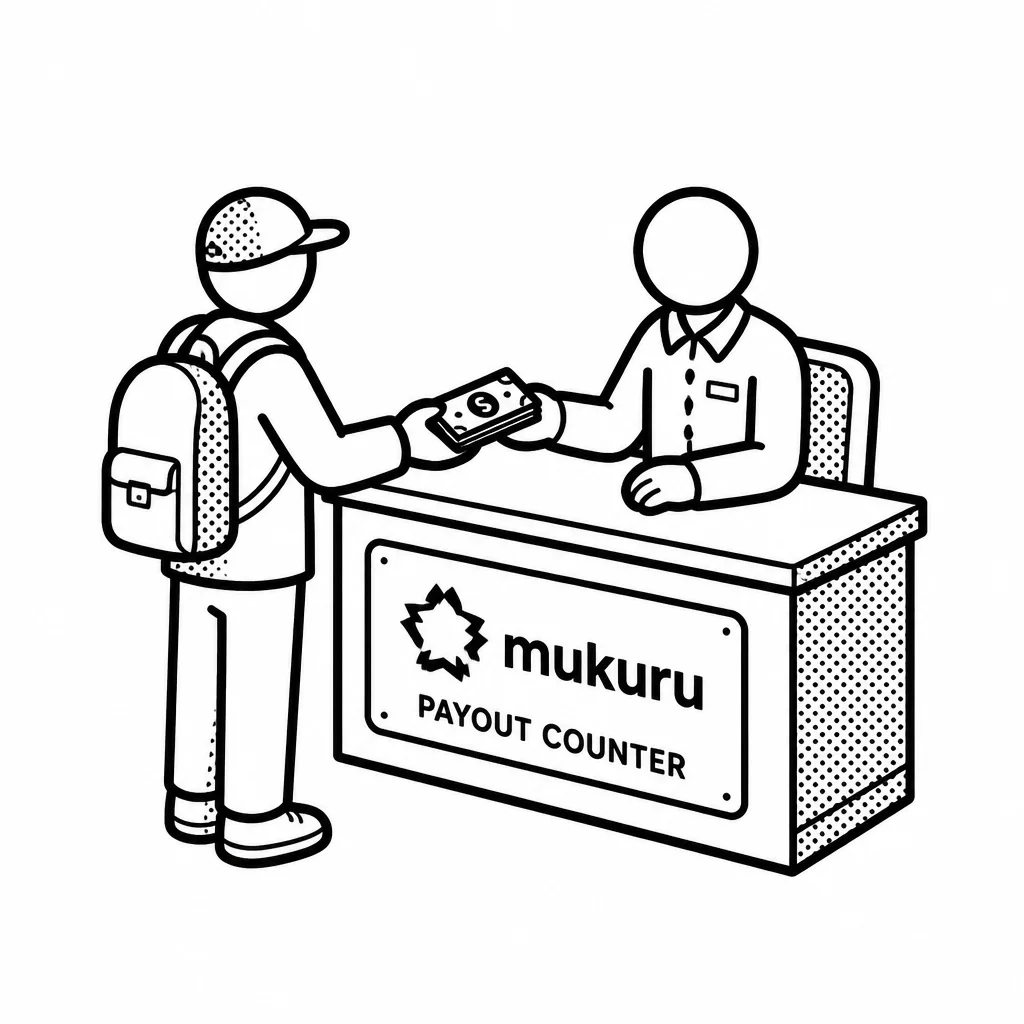
The core of the business is the corridor between South Africa and its neighbours, where a huge number of people work and send money home every month. Mukuru makes money by charging a fee on each transfer and by earning a little on the currency exchange when it converts rands into other currencies. It also earns commissions from the bills and goods people pay for through its network. Its edge is reach: it has built one of the largest agent networks in southern Africa, with thousands of booths and partners, so customers who don't have bank accounts or smartphones can still use it. That physical footprint is expensive to copy and is the main reason people choose Mukuru over a bank or a rival remittance app. Mukuru was founded in 2006 in Cape Town by Rob Burrell and Andy Jury, and it grew out of a simple observation: formal banks were ignoring the millions of migrants who needed to move small amounts of money cheaply. The company expanded into a wide network of orange-branded booths and later added digital services. It has also pushed into other African markets and into business-to-business payments, and it reportedly explored a public listing in recent years, though it remains privately held.
The business is deeply tied to migration and to the economies of southern Africa, which makes it both resilient and exposed. Remittances tend to keep flowing even in hard times, because families depend on them, but Mukuru faces competition from banks, mobile-money operators like Safaricom's M-Pesa in Kenya, and newer digital remittance startups, plus the constant risk of currency controls and regulatory shifts in the countries where it operates. Its bet is that the cash-in, cash-out customer will remain a huge market for years, and that owning the physical and digital rails on both ends of the corridor keeps those customers loyal.
Saved answer · last researched 10 Nov 2026