Understand any stock in simple English
Enter a ticker to learn what the company does and how it makes money.
Mohammed Enterprises Tanzania Limited
MeTL Group is a sprawling Tanzanian conglomerate that trades, manufactures, and distributes everyday goods across East Africa, from cooking oil and soap to fuel and textiles.
MeTL Group is East Africa's quiet giant—a family-run conglomerate that makes and moves the everyday things people buy without thinking: cooking oil, soap, flour, sugar, textiles, and fuel. If you live in Tanzania, there's a decent chance several items in your kitchen or bathroom cabinet passed through a MeTL company at some point.
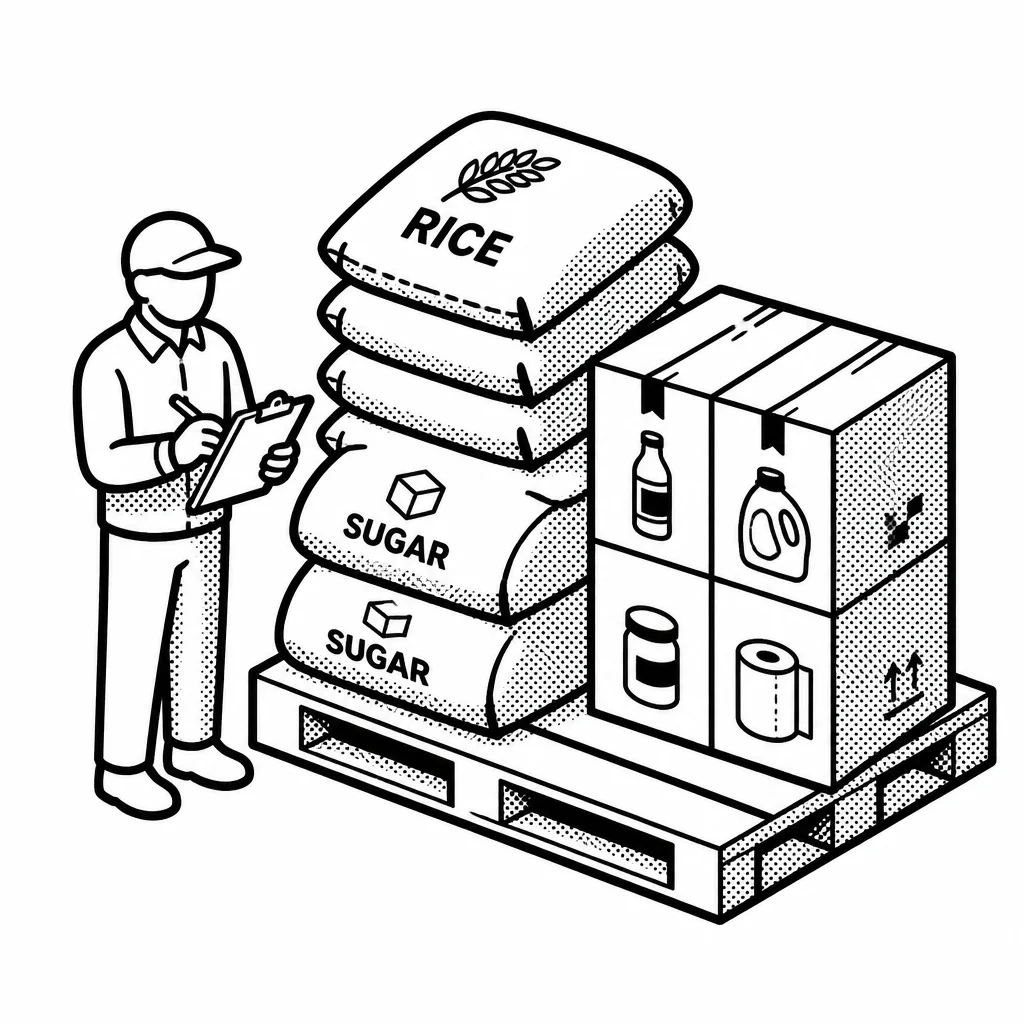
The business is built on trading and manufacturing. MeTL imports raw materials and finished goods, runs factories that turn those inputs into consumer products, and distributes them through a network that reaches shops across Tanzania and into neighboring countries. Its industrial arm produces edible oils, soaps, detergents, plastics, and textiles, while its trading operations move commodities and petroleum products. It also has interests in agriculture, real estate, and logistics. The company is privately held, so it doesn't publish detailed financials, but it is widely regarded as one of Tanzania's largest private employers and one of the biggest companies in the region by revenue. The founder, Mohammed Dewji, is the story here. He took over a modest family trading business and turned it into a sprawling empire, becoming one of Africa's youngest billionaires along the way. In 2018 he was kidnapped outside a Dar es Salaam hotel and held for several days before being released—an event that stunned the country and drew international attention. He has since stayed publicly active, and MeTL has continued expanding, including moves into new markets and sectors. The group has also drawn scrutiny at times over its close ties to government and its dominance in certain sectors—a common feature of large conglomerates in the region.
MeTL competes with multinationals like Unilever and Procter & Gamble in consumer goods, and with regional trading houses in distribution. Its edge is scale, local knowledge, and vertical integration: it controls much of the chain from import to factory to shelf. That makes it hard to displace, but it also means the business is exposed to commodity prices, currency swings, and the politics of the countries where it operates. For a private company, it punches well above its visibility—most outsiders have never heard of it, but in Tanzania it's nearly impossible to avoid.
Saved answer · last researched 10 Nov 2026