Understand any stock in simple English
Enter a ticker to learn what the company does and how it makes money.
Bidco Africa Limited
Bidco Africa makes and sells everyday consumer goods like cooking oil, soap, and margarine to households across East Africa.
Bidco Africa is one of East Africa's biggest makers of the everyday products you'd find in a Kenyan kitchen or bathroom: cooking oil, soap, detergents, margarine, and personal care items. You probably would not recognize a single factory, but millions of households use something it made every day.
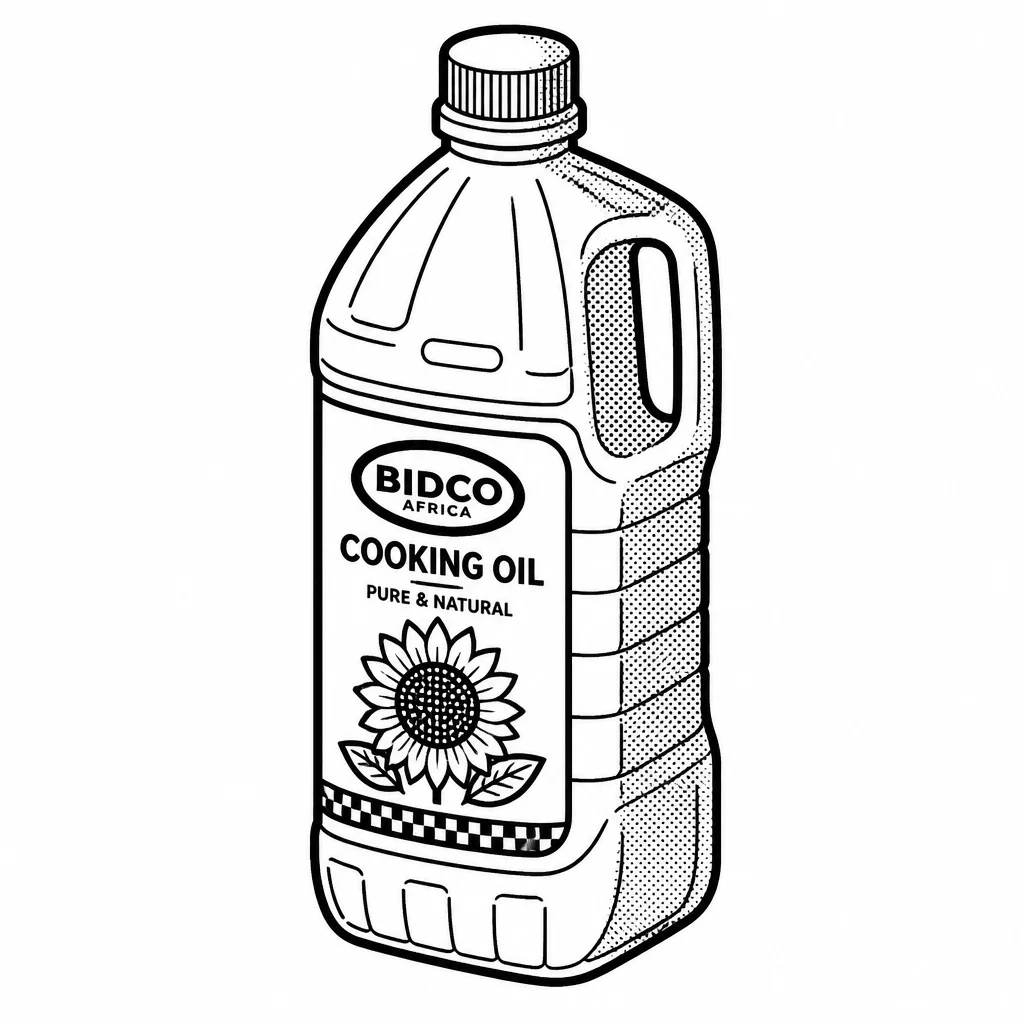
The company is built on a simple insight: in much of East Africa, people buy cooking oil, soap, and similar staples frequently and locally, through small shops rather than giant supermarkets. Bidco manufactures these goods in huge volumes, packages them in affordable sizes, and pushes them out through a sprawling network of distributors and dukas — the small roadside stores where most shopping actually happens. Customers pick Bidco brands like Elianto cooking oil or Menengai soap because they are familiar, cheap enough, and sitting right there on the shelf. Its edge comes from scale and vertical integration. Bidco crushes its own oilseeds, refines oil, makes soap from the byproducts, and runs its own packaging and distribution — squeezing costs at every step. That matters enormously in a business where margins are thin and customers are highly price-sensitive. The company also exports across the region and has expanded into new categories over time, from margarine to detergents to animal feed.
Bidco remains privately held, controlled by the Shah family, and has grown into one of the largest manufacturing employers in Kenya. The broader African consumer-goods market is crowded — it competes with global giants like Unilever and PZ Cussons, alongside local rivals — but Bidco's deep local distribution and cost discipline have kept it a heavyweight. The main risks are the boring but brutal ones: volatile prices for raw materials like palm oil, currency swings, and the constant pressure to keep prices low when customers can barely afford to pay more.
Saved answer · last researched 10 Nov 2026