Understand any stock in simple English
Enter a ticker to learn what the company does and how it makes money.
Ledger SAS
Ledger makes hardware wallets—small physical devices that store cryptocurrency keys offline—so people can hold digital assets without relying on an exchange.
Ledger is a French company that builds small physical devices called hardware wallets. You plug one into your computer or tap it against your phone, and it holds the secret codes that control your crypto. The whole point is that those codes never touch the internet, so a hacker who breaks into your laptop or an exchange that goes bust can't get at your coins.
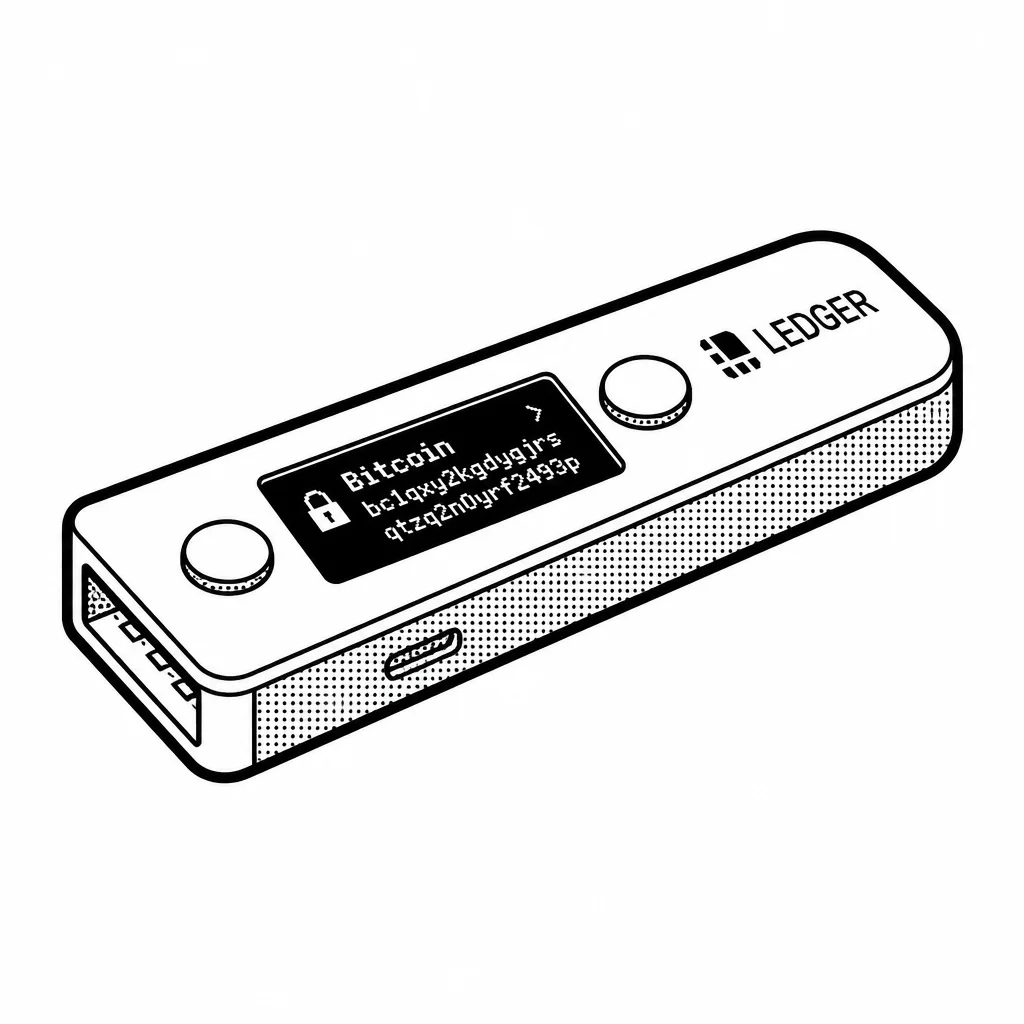
The core product is a pocket-sized gadget with a tiny screen and buttons. When you want to send Bitcoin or Ethereum, the device shows the transaction on its own screen, and you physically press a button to approve it. That little screen-and-button ritual is the security: even if your computer is infected with malware, the malware can't fake what you see or press the button for you. Ledger sells a cheaper entry model and a higher-end one with Bluetooth and more storage, plus a companion app for managing assets and a small subscription service for advanced security features. Ledger makes money mostly by selling hardware—one device, one sale—so growth depends on getting new people into crypto and on existing owners upgrading. Its main rival is Trezor (private, owned by SatoshiLabs), and the broader threat is simpler: most people still leave coins on exchanges like Coinbase or Binance because it's easier. That's good for Ledger's pitch, since exchange collapses like FTX sent scared customers shopping for self-custody. The flip side is that "self-custody" means if you lose your recovery phrase, nobody can help you.
A near-disaster in 2020 shaped the company: hackers leaked the names, emails, and home addresses of roughly 270,000 customers, and the fallout—including harassment and a class-action suit—turned privacy into a selling point. Ledger is privately held and has raised venture money at a multi-billion-dollar valuation, with its founders still running it from Paris and Vierzon. It has dabbled in staking and a crypto debit card, but the boring truth is that this is a hardware business: it designs, manufactures, and ships a physical product, and its fortunes rise and fall with how much people care about owning their own keys.
Saved answer · last researched 10 Nov 2026