Understand any stock in simple English
Enter a ticker to learn what the company does and how it makes money.
Infineon Technologies AG
Infineon makes the special chips that let cars, machines, and gadgets sense the world, use power efficiently, and stay secure.
Infineon is a chipmaker, but not the kind that builds the brains of phones or laptops. Instead, it makes the quieter, tougher chips that go inside electric cars, solar panels, factory robots, and credit cards. When you press the start button on an electric vehicle, grip the wheel, or plug into a fast charger, there's a decent chance an Infineon chip is the one deciding how much power flows and whether it's safe.
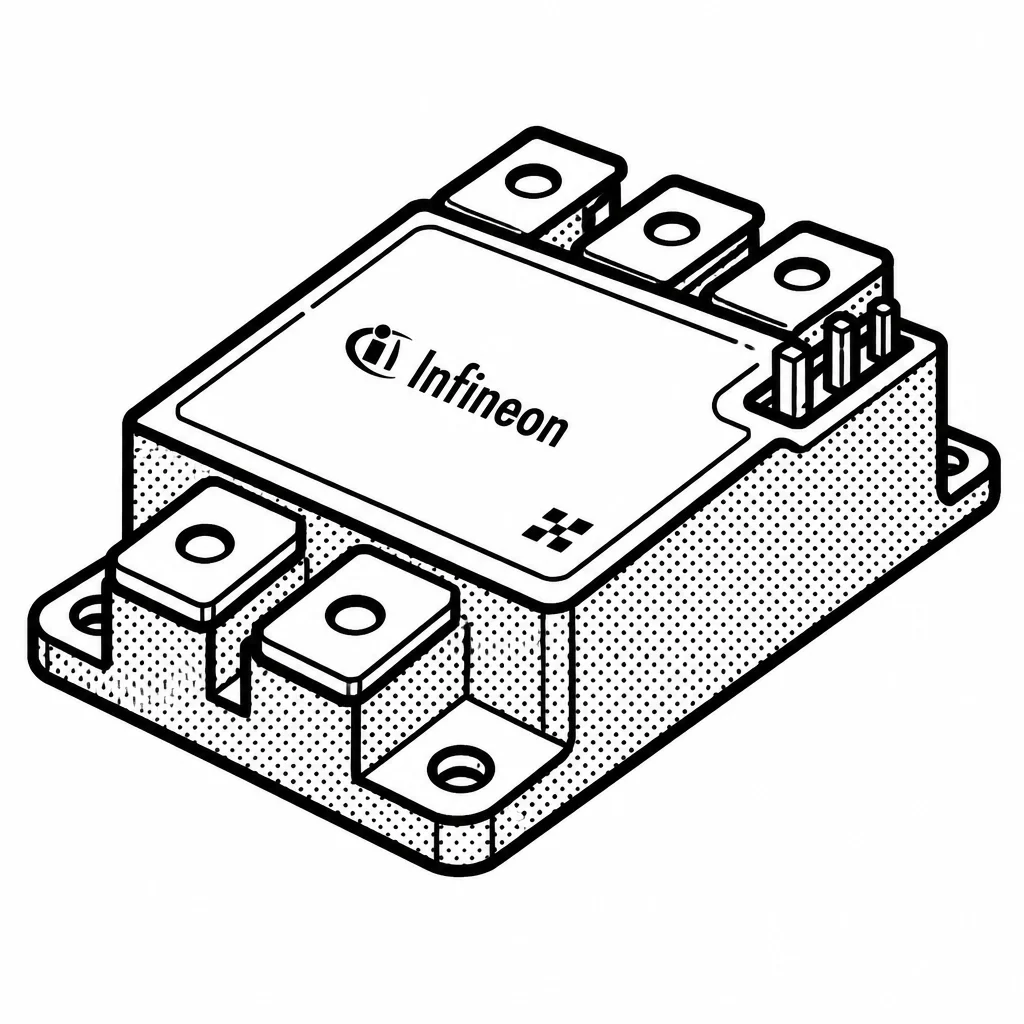
You can think of the company as three businesses under one roof. Its automotive arm sells chips that manage batteries, run driver-assistance systems, and handle the tiny computers inside a car. Its industrial power division makes chips that convert and control electricity — the parts that let a train, a data center, or a washing machine use power without wasting it as heat. A third piece sells sensors and security chips, including the little encrypted chips inside passports, bank cards, and payment terminals that prove an identity is genuine. All three share the same basic skill: making chips that are reliable in harsh conditions and cheap enough to buy by the billion. Customers choose Infineon because these aren't glamorous parts — they're parts that can't fail. A carmaker needs a chip that works for fifteen years through heat, vibration, and cold, and switching suppliers midway through a vehicle design is a painful, expensive process. That stickiness is a real moat, but it also makes Infineon vulnerable to the car market's mood swings. When automakers build fewer cars, or when a customer like Tesla slows production, Infineon feels it quickly. The company has been investing heavily in new capacity, including a big plant in Dresden, Germany, betting that electrification and clean energy will keep demand rising for years.
Infineon's headquarters near Munich matter because they place it at the center of Europe's industrial base, close to the carmakers and machine builders that are its biggest customers. It competes with much larger rivals like Texas Instruments and STMicroelectronics, and with Japanese and Chinese power-chip makers, so it wins by being deeply embedded in customer designs rather than by being the cheapest. It pays a dividend and has bought back shares, returning cash to investors while still spending heavily on factories. The simple version: Infineon sells the unglamorous chips that make electrified, connected machines work, and it makes money because those chips are hard to replace.
Saved answer · last researched 12 Nov 2026