Understand any stock in simple English
Juniper Networks, Inc.
Juniper Networks sells networking gear and software — routers, switches, and security tools — that phone and internet companies, big businesses, and cloud providers use to move data around.
Juniper Networks builds the plumbing of the internet. Phone companies, internet providers, large businesses, and cloud computing firms buy its routers, switches, and security software to move data between cities, between buildings, and between the machines inside a data center. When you load a webpage or make a call, there is a decent chance some Juniper box helped carry that traffic along the way.
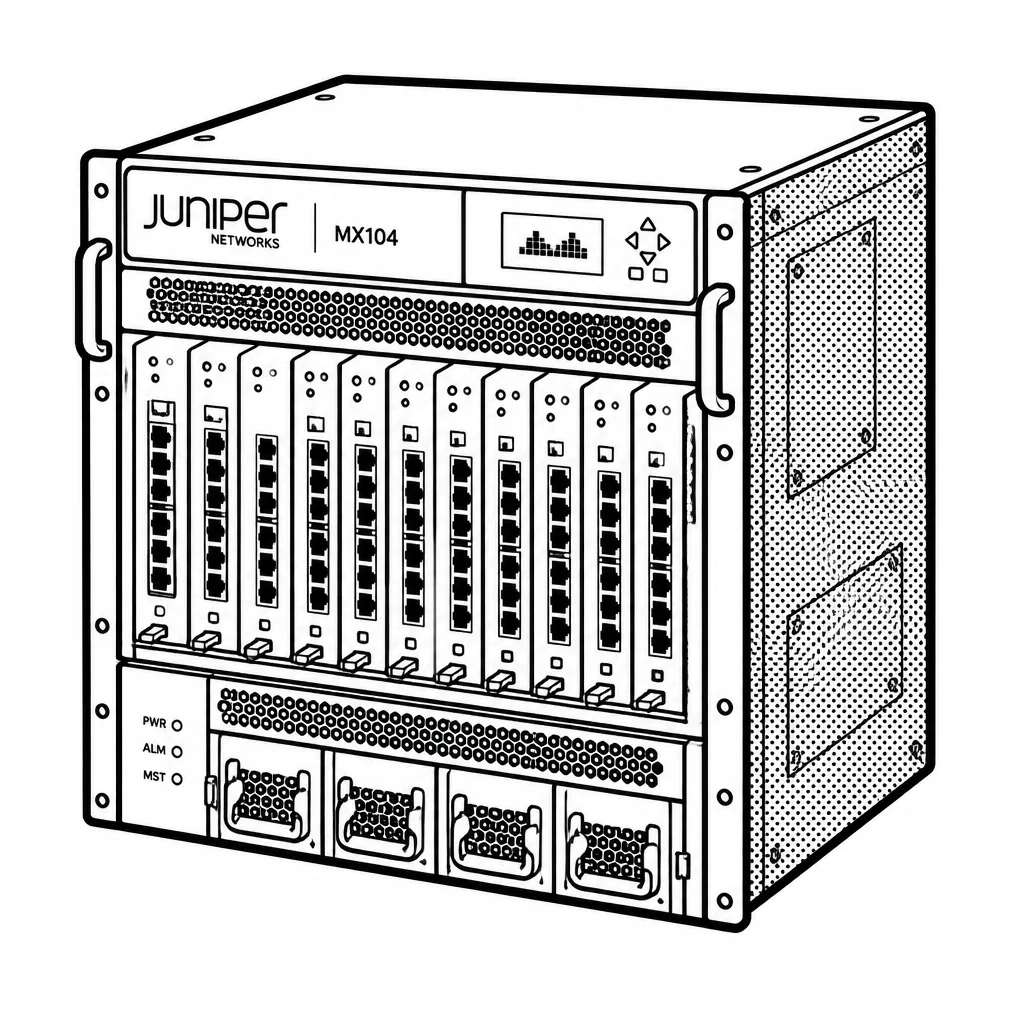
The business runs on a few kinds of customers. Telecom and internet service providers have long been the backbone of Juniper's sales — they buy big, expensive routers to run their networks. Large enterprises buy switches and security products for their own offices and data centers. And cloud providers buy networking gear for the massive computer farms that run modern apps. Juniper's pitch is that its gear is fast, reliable, and increasingly controlled by software rather than by hand, which saves customers money and headaches. Its main rivals are networking giant Cisco and, increasingly, Arista Networks in the cloud and data-center market. The company has been through a rough patch and a big change. Growth was slow for years as telecom spending sagged, and Juniper pushed into AI-driven networking — gear tuned for the crowded, heavy-traffic data centers that train and run artificial intelligence models. That bet helped revive its fortunes. Then, in early 2024, Hewlett Packard Enterprise agreed to buy Juniper for about $14 billion, a deal meant to combine HPE's computing and wireless business with Juniper's networking strength to take on Cisco. The acquisition closed in July 2025, so Juniper is now a part of HPE rather than an independent public company — its shares stopped trading and each Juniper share converted into cash plus HPE stock.
For customers, the practical effect is that Juniper's products now sit inside a larger company that sells servers, storage, and networking together. For investors, the old Juniper ticker is gone; anyone who wants exposure to this business now owns Hewlett Packard Enterprise instead. The story is a familiar one in tech: a strong but subscale challenger gets folded into a bigger player that wants a complete lineup to sell against the market leader.
Saved answer · last researched 17 Nov 2026