Understand any stock in simple English
Enter a ticker to learn what the company does and how it makes money.
The Jim Pattison Group
Jim Pattison Group is a giant Canadian conglomerate that owns car dealerships, grocery stores, billboards, and many other businesses.
Jim Pattison Group is one of those companies that touches your daily life in ways you probably never notice. It owns car dealerships where people buy new vehicles, grocery stores where they shop for food, and billboards they drive past on the highway. But it also owns a surprising mix of other things: radio stations, fishing boats, packaging plants, and even the Guinness World Records brand.
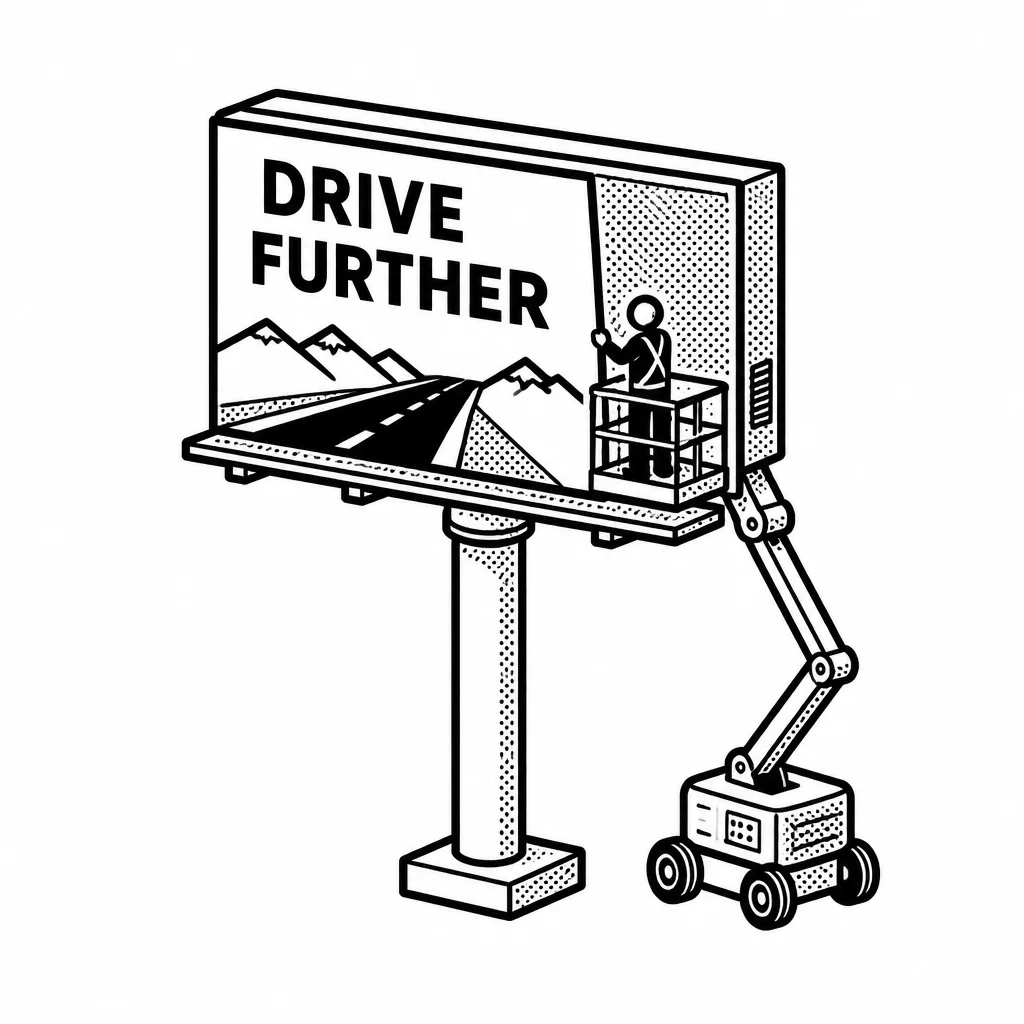
The company started in 1961 when Jim Pattison, a young Canadian entrepreneur, bought a single car dealership in Vancouver. He never stopped buying things. Over six decades, he turned that one lot into a sprawling empire of more than 600 companies. Today the group is still private, still based in Vancouver, and still run by Pattison himself, who is now in his 90s and one of Canada's richest people. The business operates across three main buckets: automotive and industrial, food and consumer products, and media and entertainment. Each bucket holds well-known names in Canada, like the Overwaitea Food Group grocery chain, Buy-Low Foods, and the Pattison Outdoor billboard network. The car dealerships remain a core engine, selling new and used vehicles and making money on financing, parts, and service. The grocery stores compete with big chains like Loblaw by focusing on local and discount formats. The media side sells advertising space on billboards, radio, and digital screens—a steady, cash-generating business. What makes this conglomerate unusual is how quietly it operates. It doesn't chase headlines or pay dividends to public shareholders because there are none. Every dollar of profit stays inside the company or goes toward the next acquisition. That long-term, buy-and-hold approach lets it make bets that public companies might avoid, like owning a huge chunk of the fishing industry through Canfisco or running a magazine distribution business. Critics point out that such a sprawling, privately held structure can be opaque, and the company faces the same pressures as any retailer or advertiser—weak consumer spending hits grocery and auto sales, and billboard revenue falls when advertisers cut budgets. But the diversification helps: when cars slow down, groceries and media keep cash flowing. The group also owns the Guinness World Records business, which it bought in 2008 and which earns money from book sales, TV rights, and licensing—a quirky asset that fits Pattison's habit of buying things other people overlook.
Jim Pattison has said he plans to keep the company private and family-controlled, with no plans for an IPO. That means outsiders can't buy shares, and the company answers only to its owner and his chosen managers. The group's scale is massive for a private firm—annual revenue runs into the tens of billions of Canadian dollars—but it stays out of the spotlight. For a smart 15-year-old, the simple version is: imagine a billionaire who never stopped buying car lots, grocery stores, and billboard companies, then ran them all under one roof for sixty years. That's Jim Pattison Group.
Saved answer · last researched 10 Nov 2026