Understand any stock in simple English
Enter a ticker to learn what the company does and how it makes money.
Iris Ohyama Inc.
Iris Ohyama makes and sells everyday household goods, from plastic storage boxes and rice cookers to pet supplies, and backs it all up with its own factories and logistics network.
Iris Ohyama is a Japanese maker of everyday household goods — plastic storage boxes, rice cookers, fans, pet supplies, and garden furniture — sold mostly under its own brand in stores and online. If you have ever bought a big clear plastic storage bin with a lid, there is a decent chance it came from this company. It is one of those businesses that is huge in real life and almost invisible in conversation, because nobody gets excited about a storage box.
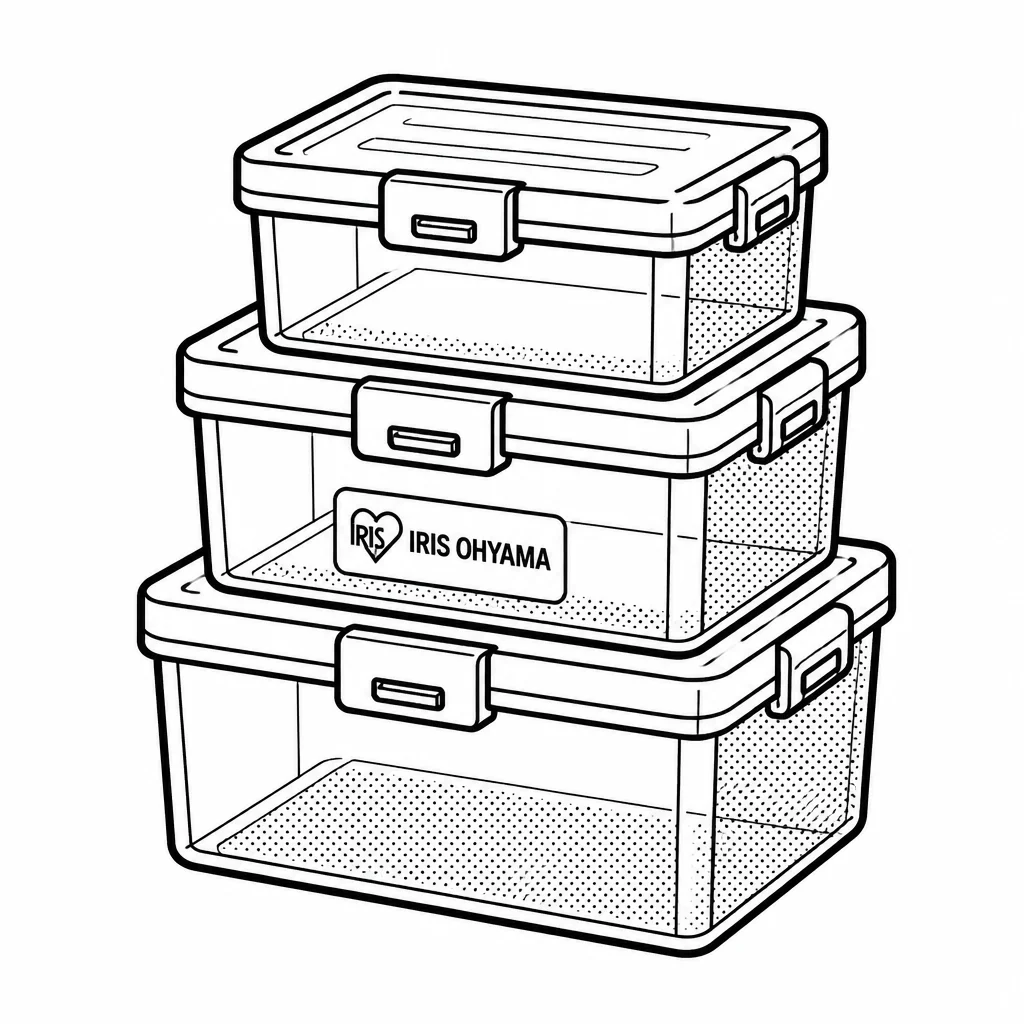
The company's real edge is that it controls almost the whole chain itself. It designs products, makes them in its own factories (mostly in China and Japan), and ships them through its own logistics. That self-reliance lets it sell decent quality at low prices and still keep a healthy margin, rather than paying a middleman at every step. Its biggest customer is the average household, reached through big retailers and its own online channels; in Japan it is a familiar name that shoppers trust for cheap, practical stuff. Iris Ohyama has a peculiar origin story. It started in 1958 in Sendai as a small maker of plastic products, and grew through the boom in plastic housewares. A big turning point came after the 2011 earthquake and tsunami damaged its factories and supply chain — the company responded by investing heavily in automation and its own production, which hardened it into the low-cost, high-volume machine it is today. More recently it has pushed into pet products and LED lighting, both fast-growing categories where its factory-and-logistics machine gives it an advantage.
It is a private company, still tied to its founding family, so there is no share price or quarterly earnings circus to watch. Its main vulnerability is the same as its strength: plastic housewares is a crowded, price-sensitive business, and rivals like IKEA-style retailers and Chinese manufacturers can undercut on cost. But its scale, own factories, and trusted brand in Japan make it a quiet, durable cash machine — the kind of company that sells you a box to put your stuff in, and then sells you the fan, the rice cooker, and the dog bed too.
Saved answer · last researched 10 Nov 2026