Understand any stock in simple English
Enter a ticker to learn what the company does and how it makes money.
Ryohin Keikaku Co., Ltd.
Ryohin Keikaku sells MUJI-brand household goods, clothing, furniture, and food to retail shoppers, mostly through its own stores.
MUJI is a Japanese retailer that sells the plain, useful stuff of daily life: storage boxes, pens, socks, towels, kitchen tools, small furniture, snacks, and simple clothing. The name means "no-brand quality goods," and that is the whole pitch. Instead of chasing trends or slapping on logos, MUJI strips products down to clean designs and reasonable prices, then sells them through its own stores and online.
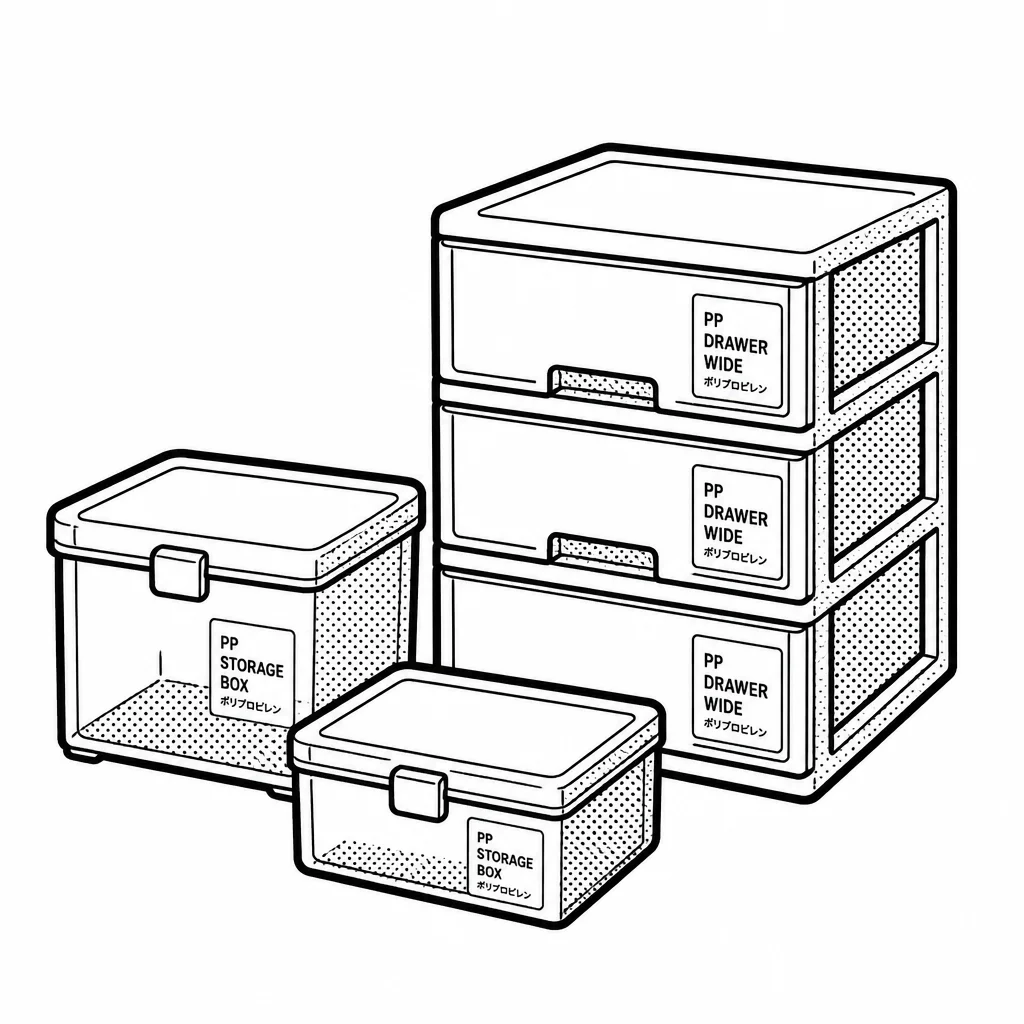
The company behind the brand is Ryohin Keikaku, based in Tokyo. It designs most of what it sells, sources it from factories mostly in Asia, and runs the shops itself. That control matters: by owning the design, the supply chain, and the store, MUJI keeps costs down and keeps its look consistent, whether you walk into a shop in Tokyo, London, or New York. Customers pay for that consistency and for the calm, uncluttered feel of the stores. Rivals range from cheap home-goods chains to design-led brands, but few combine everyday basics with such a strong, uniform identity. MUJI's biggest market is Japan, where it has hundreds of stores, but it has spent years expanding across Asia and the West, and that overseas growth is now a major part of the story. The company also runs a larger-format food supermarket in China and has moved into hotels and small homebuilding, small bets that extend the brand beyond shelves. One odd and useful fact: MUJI is known for its annual "what will sell" idea contests, where customers submit product suggestions, and some of those ideas have become real bestsellers.
The business is not without bruises. It has had to fight the perception of being a bit pricey for what it is, and it has cut prices in some markets to stay competitive. It also carries real exposure to supply chains and consumer spending in China, where politics and the economy can swing results. Still, the brand's simple formula — good, plain goods sold in calm stores — has proven remarkably durable, and the money it makes largely goes back into opening more stores, improving its products, and funding that steady overseas push.
Saved answer · last researched 12 Nov 2026